

Education
EPI Foundation, African govts secure ivory stockpiles to curb wildlife trade – EnviroNews


– Advertisement –
The Elephant Protection Initiative (EPI) Foundation has strengthened efforts to combat illegal wildlife trade in Africa by working with wildlife authorities in six countries to audit government stockpiles of ivory and other seized wildlife products.
The organisation said recent audits conducted in Benin, Cameroon, Côte d’Ivoire, the Democratic Republic of Congo (DRC), Malawi and Mozambique recorded no missing items from the central storage facilities examined since their previous counts.
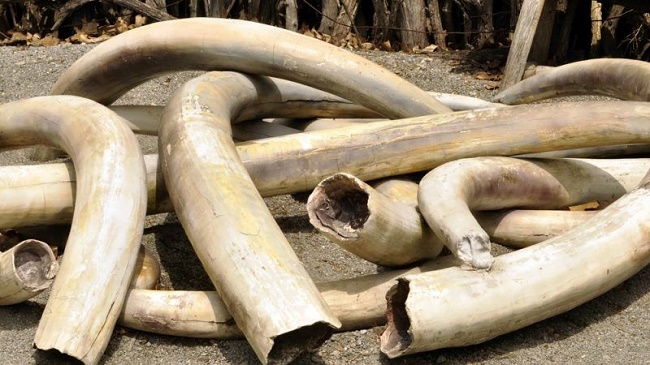
The audits, which also covered some provincial storerooms, are aimed at preventing seized wildlife products from being diverted back into illegal markets.
According to Ruth Musgrave, Director of Programmes at the EPI Foundation, securing government stockpiles is a critical component of efforts to disrupt illegal wildlife trafficking.
“If we can ensure that government stockpiles of ivory and other wildlife products are safe and secure, we will play a key role in curbing the illegal wildlife trade,” Musgrave said.
She noted that stockpile security had been one of the organisation’s priorities for many years, adding that its work with government partners had helped build expertise and establish trusted relationships with national wildlife authorities.
Musgrave described the successful audits as evidence of the commitment of wildlife officials and the effectiveness of the systems introduced to improve the management and security of seized wildlife products.
She said the results reflected both the integrity of the officials responsible for the stockpiles and the robustness of the procedures established with the foundation’s support.
Beyond Ivory Protection
The foundation explained that its stockpile audits cover a broad range of illegally traded wildlife products beyond elephant tusks.
These include rhino horns, pangolin scales, lion bones and big cat skins, among other products obtained through wildlife seizures.
The initiative therefore contributes to the protection of several endangered species by ensuring that wildlife products confiscated during law enforcement operations remain securely stored and accounted for.
According to the organisation, successful audits help prevent seized items from re-entering illegal markets, thereby ensuring that the efforts of law enforcement officers confronting wildlife trafficking networks are not undermined by weaknesses in stockpile management.

The foundation emphasised that effective stockpile security is essential because wildlife authorities must not only seize illegally traded products but also ensure that the confiscated materials remain secure after they have been taken into government custody.
African Wildlife Authorities Welcome Audits
Wildlife authorities in the participating countries have welcomed the collaboration, describing the audits as an important measure for strengthening confidence in the management of seized wildlife products.
Alex Chunga of Malawi’s Department of National Parks and Wildlife (DNPW) said the partnership with the foundation had reassured the department that its stockpiles remained intact.
“The work we have been doing with the EPI Foundation gives us confidence that nothing has gone missing,” Chunga said.
He added that the collaboration gave the department a stronger sense of purpose and encouraged officials in their efforts to combat illegal wildlife trade.
Similarly, Côte d’Ivoire’s Director of Wildlife and Hunting Resources, Madame Salimata Koné, said the successful audit of her department’s stockpiles had strengthened confidence in existing security and tracking mechanisms.
Koné said the exercise reassured authorities about the integrity of the ivory stocks and their ability to prevent the diversion of seized products into illegal trading channels.
She also described the audit as recognition of the work undertaken by wildlife officials and acknowledged the foundation’s support in the process.
Ivory Seizure in Vietnam Raises Concerns
Despite the progress recorded through the audits, the foundation cautioned that there was no single solution to the illegal trade in ivory and other wildlife products.
It cited reports from Vietnam in August that authorities had discovered more than 1,000 kilogrammes of ivory concealed in a shipping container that had travelled on several vessels from Matadi in the Democratic Republic of Congo.
The foundation said further details were awaited regarding the age and likely origin of the tusks.
It noted that the ivory could have come from different sources, including recently killed elephants or existing stockpiles containing tusks from animals that died many years ago.
The incident highlights the continuing challenges facing efforts to trace the origins of illegally traded ivory and prevent wildlife products from entering international trafficking networks.
The foundation said its work with African governments to secure stockpiles was helping to narrow the opportunities available to traffickers and increase the obstacles they face when attempting to buy and sell ivory and other wildlife products illegally.
Funding Needed to Sustain Conservation Efforts
The EPI Foundation disclosed that its stockpile security work had received support in recent years through a grant from the United States government’s Bureau of International Narcotics and Law Enforcement Affairs (INL).
However, the grant is now coming to an end, raising concerns about the continued funding of the initiative.
The organisation expressed hope that donors and other benefactors would provide further support to sustain its collaboration with African governments and wildlife authorities.
It maintained that continued investment in stockpile security would help protect the gains made in wildlife law enforcement, strengthen accountability in the management of confiscated products and reduce opportunities for illegal wildlife traders.
The foundation’s work underscores the importance of combining enforcement against wildlife trafficking with effective management of seized products to prevent confiscated ivory and other wildlife materials from finding their way back into criminal supply chains.



