

Foreign News
Iran Eyes Billions as US Begins Sanctions Rollback


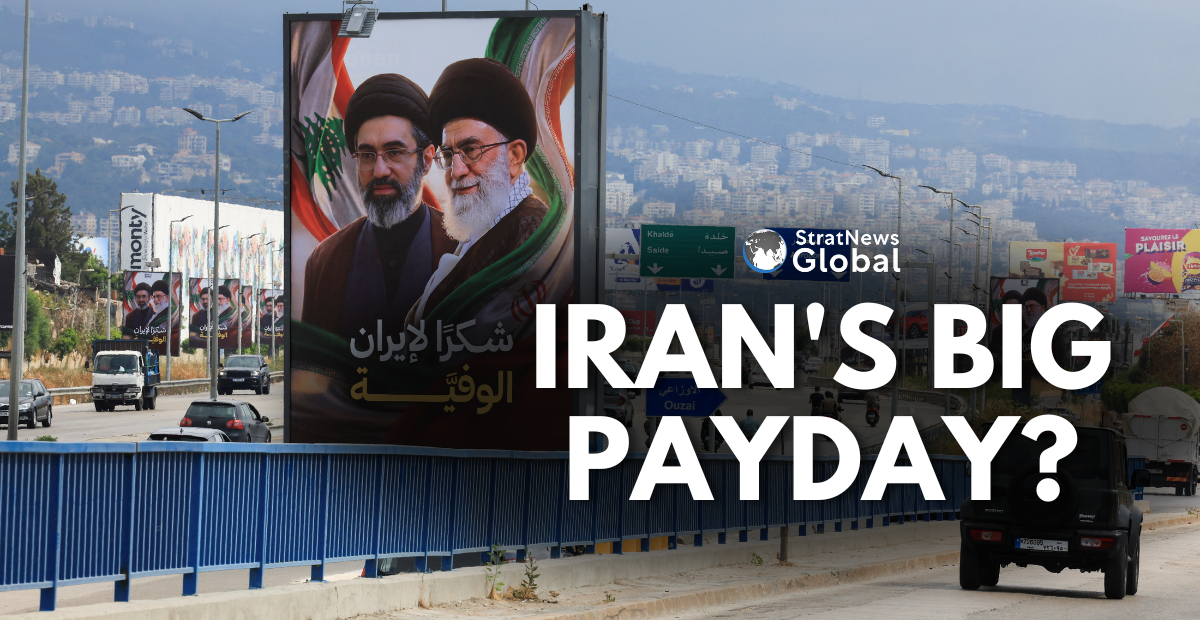
Iran stands to gain billions of dollars following a temporary easing of US sanctions, but dismantling more than four decades of restrictions remains a legal, political and commercial challenge that could take years to complete.
The sanctions relief follows a 14-point memorandum of understanding signed by Washington and Tehran last week, which outlines a framework for gradually removing sanctions as part of a broader agreement.
On Monday, the US Treasury issued a general licence allowing the production, delivery and sale of Iranian crude oil, petrochemicals and petroleum products through August 21.
Analysts estimate the temporary licence could generate up to $3 billion for Iran over the next two months.
If sanctions relief becomes permanent, Iran could earn tens of billions of dollars through increased oil exports, broader market access and improved pricing for its crude.
Currently, China purchases roughly 90 per cent of Iran’s oil exports despite existing sanctions.
Four Decades of Restrictions
The United States first imposed sanctions on Iran in 1979 following the seizure of the US Embassy in Tehran during the Iranian Revolution.
Since then, successive American administrations, Congress, the United Nations and the European Union have introduced layers of sanctions targeting Iran’s nuclear programme, human rights record and support for regional militant groups.
The result is a complex network of restrictions affecting banking, energy, shipping, insurance and trade.
Congress Remains Sceptical
While President Donald Trump can revoke some sanctions through executive action, many restrictions are embedded in US law and would require congressional approval to remove.
Republican lawmakers have already voiced concerns about the interim agreement, raising doubts over how quickly broader sanctions relief can be implemented.
Experts say the process of removing thousands of sanctioned individuals, companies, vessels and aircraft could take at least a year.
Oil, Banking and Insurance Included
The latest Treasury licence is broader than previous exemptions.
In addition to oil exports, it covers banking, insurance and transportation services connected to the energy trade, potentially allowing Iran faster access to export revenues.

However, sanctions experts caution that major financial and energy institutions may remain reluctant to re-enter the Iranian market until there is greater legal certainty.
Private Sector Still Wary
Even if sanctions are formally lifted, companies will need to navigate a complicated regulatory environment.
Businesses remain concerned about compliance risks, future policy reversals and ongoing sanctions imposed by the European Union, Britain and other jurisdictions.
There are also concerns over Iran’s links to groups such as Hamas, Hezbollah and the Houthis, which remain subject to separate sanctions measures.
Analysts say the temporary licence marks a significant shift in US policy towards Iran, but caution that meaningful economic normalisation is still far away.
Many companies are expected to delay major investments until sanctions relief becomes permanent and political risks diminish.
For now, the agreement offers Iran a potentially valuable economic boost, but the process of fully dismantling decades of sanctions remains uncertain and politically contentious.
(with inputs from Reuters)



