

Education
WHO declares hantavirus outbreak over as global health challenges intensify – EnviroNews


– Advertisement –
The World Health Organisation (WHO) has officially declared the recent hantavirus outbreak linked to the cruise ship MV Hondius over, marking the end of a multi‑country public health response that spanned more than a month.
Speaking at a media briefing on Thursday, July 2, 2026, WHO Director‑General Dr. Tedros Adhanom Ghebreyesus, confirmed that the final monitored contact had completed quarantine, tested negative, and returned home.
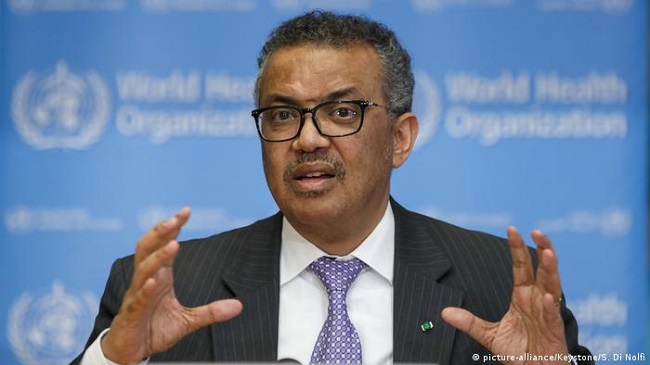
Hantavirus Outbreak Successfully Contained
Dr. Tedros announced that no new hantavirus cases have been reported since May 25, and the total number of confirmed cases remains 13, including three deaths. More than 650 contacts across 33 countries and territories were traced and monitored.
He praised the coordinated international response, highlighting contributions from Argentina, Cabo Verde, Chile, the Netherlands, South Africa, the United Kingdom, and especially Spain, which facilitated the safe disembarkation and repatriation of passengers in Tenerife.
Although the outbreak is over, WHO is continuing research efforts, including a 21‑country study aimed at improving understanding of hantavirus disease progression and supporting future diagnostics, therapeutics, and vaccine development.
Ebola Crisis Deepens in the Democratic Republic of the Congo
While celebrating progress on hantavirus, Dr. Tedros warned that the Ebola outbreak in the Democratic Republic of the Congo (DRC) is expanding rapidly. Over the past two weeks, the country has recorded an average of 38 new confirmed cases daily. As of July 2, 1,406 cases have been confirmed, with 438 deaths.
Key developments include:
- Testing capacity expanded to 10 laboratories closer to affected communities.
- Contact tracing improved, with 80% of contacts now followed up.
- Treatment capacity increased to 650 beds across 22 health centres, though 96% are occupied.
- A clinical trial of two therapeutics – h MBP134 and remdesivir – began today under the PARTNERS trial framework.
- WHO issued emergency use listing for the first molecular diagnostic test for Bundibugyo virus.
However, insecurity continues to undermine response efforts. An attack on an Ebola treatment centre in Ituri province this week resulted in two deaths and the destruction of the facility.
To strengthen coordination, the UN has appointed Julien Harneis as Senior Ebola Coordinator, following a joint endorsement by Dr. Tedros and UN Emergency Relief Coordinator Tom Fletcher.
Marburg Virus Case Detected in Uganda
Uganda has reported one confirmed case of Marburg virus disease in Kyegegwa District, identified through enhanced Ebola surveillance. All known contacts are being monitored, and none have shown symptoms so far. WHO is supporting investigations into the source of exposure and community engagement.
Venezuela Earthquake Deepens Humanitarian Crisis

Turning to Venezuela, Dr. Tedros described the aftermath of last week’s devastating earthquake, which has left:
- More than 2,300 dead
- Over 5,000 injured
- Nearly 16,000 homeless
WHO has deployed Emergency Medical Teams, released US$1.5 million from its Contingency Fund for Emergencies, and shipped over six metric tons of medical supplies, with 28 more metric tons en route.
The disaster has compounded an already severe humanitarian crisis, straining a health system struggling to meet basic needs.
Air Pollution: The “Invisible Threat”
Dr. Tedros also highlighted new WHO data showing stagnation in global air quality improvements since 2020. Key findings include:
- 6.5 billion people are exposed to PM2.5 levels exceeding WHO interim targets.
- Exposure in low‑ and middle‑income countries is 13 times higher than in high‑income countries.
- Air pollution contributes to 6.7 million premature deaths annually.
Asia has shown the greatest progress, while sub‑Saharan and northern Africa have seen little change over the past decade.
Protecting Children in Digital Environments
Dr. Tedros referenced a joint op‑ed published yesterday with French President Emmanuel Macron addressing the health impacts of digital environments on young people. Governments including Australia, Canada, France, Indonesia, Ireland, Spain, and the UK have recently introduced measures to protect children from online harm.
He emphasised that digital platforms are not neutral, noting risks such as:
- Exposure to harmful or discriminatory content
- Algorithm‑driven misinformation
- Addictive design features
- Privacy concerns linked to data collection and targeted marketing
WHO is strengthening research and advising countries on creating safer digital spaces. Dr. Tedros stressed that children’s well‑being requires more than protection from harm – it depends on stable relationships, physical activity, and real‑world social connection.
A Call for Global Solidarity
Dr. Tedros concluded with a reminder that outbreaks like hantavirus, Ebola, and Marburg underscore the necessity of international cooperation. WHO Member States will reconvene next week to continue negotiations on the Pathogen Access and Benefit Sharing system under the WHO Pandemic Agreement.
“No country alone can fight,” he said. “Together, we can – and must – shape environments, physical and digital, that protect and support health.”



