

Politics
One car, two identities: How Abuja’s trend raises security questions


On the busy streets of Abuja, Nigeria’s Federal Capital Territory, cars weave through traffic with their familiar metal plates glinting under the sun. But the ICIR has observed a disturbing trend. Multiple commercial cars now display what appear to be foreign number plates hidden underneath the Nigerian legally sanctioned plates.
On closer scrutiny, many commercial vehicles proudly display these foreign registration plates, making many residents question their legality and whether it poses a security threat to residents.
By law, every vehicle must display two identical license plates, one at the front, the other at the rear, signifying compliance with Regulation 36 of the National Road Traffic Regulations, 2012.
This development has raised questions among road users, who speculate that vehicles with multiple plates pose a red flag, as there are insinuations that they could be used for criminal activities. Joyce, a regular commuter, said the practice fuels public suspicion because of widespread speculation surrounding “one chance” operations.”There have been speculations that some of these vehicles remove the Nigerian plate when they want to commit crimes and fix it back afterwards,” she said. The ICIR could not independently verify that claim.
Joyce said she frequently notices such vehicles around Berger and Banex, particularly in the evenings. “You can’t see this kind of lawlessness abroad,” she added.
The Deputy Corps Commander and Corps Public Education Officer of the Federal Road Safety Corps, Ohaeri Osondu, told The ICIR that the National Road Traffic Regulations, 2012, do not authorise motorists to display foreign registration plates alongside Nigerian registration plates once a vehicle has been registered in Nigeria.
“Once an imported vehicle has completed the registration process, it is assigned a Nigerian Vehicle Identification Number Plate, which becomes the vehicle’s official legal identity for all purposes within Nigeria,” Osondu said.
According to him, the regulations require only the Nigerian registration plate assigned to the vehicle to be displayed while it is being used on Nigerian roads. He advised motorists to remove or completely cover the original foreign registration plate after registration.

“Leaving a foreign registration plate visible beneath the Nigerian plate serves no legal purpose and may create unnecessary ambiguity during enforcement or security operations,” he said.
He said double plate numbers may create identification challenges in security, traffic, or other cases, adding that the current trend may result from public misunderstanding rather than deliberate non-compliance.
“Some vehicle owners retain the original foreign registration plate for aesthetic reasons or as a keepsake after importing the vehicle, without appreciating that the Nigerian registration plate is intended to serve as the vehicle’s sole legal identification while operating on Nigerian roads,” Osondu said.
Osondu added that the Corps will intensify public enlightenment and enforcement of the regulations.


Residents like Vicky (surname withheld) argue such vehicles are used by criminal gangs popularly referred to as “One-chance drivers.”
Vicky, who works as a security operative, was robbed in July 2025 after boarding a vehicle with double plate numbers in Kuje. “I did not think about the plate number,” she said, “I just entered the vehicle. It looked normal. There were other well-dressed passengers inside.”
As the vehicle approached Abuja City Gate, she said the driver took a different route, and the other occupants of the vehicle began to beat her and demand money.

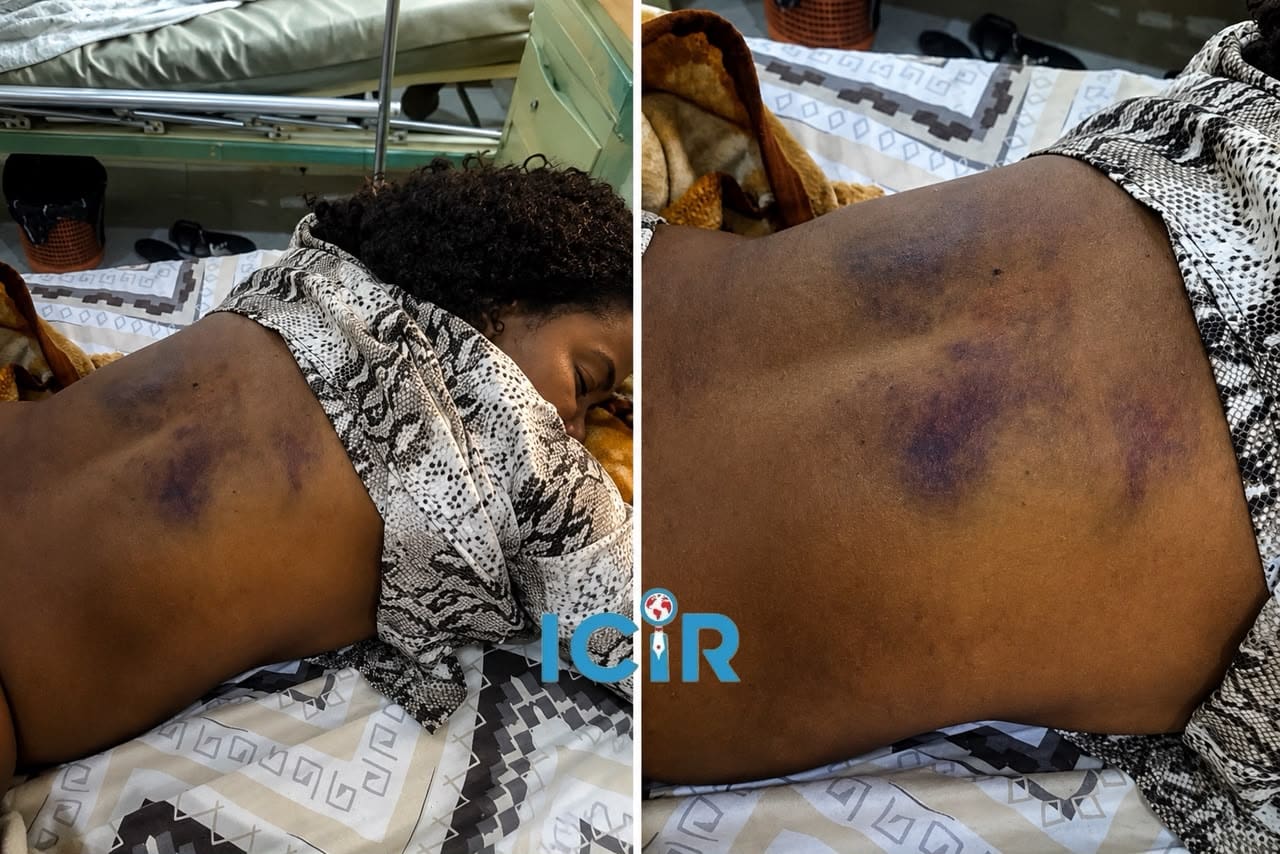
Like Vicky, many residents have fallen victim to one-chance drivers in the FCT. In 2023, The ICIR reported that these criminal gangs also operate in other states, such as Lagos, threatening residents’ lives and properties.
The same year, a resident of Abuja, Greatness Olufemi, died after being attacked and pushed out of a vehicle operated by one-chance drivers. While Olufemi’s death generated public outcry, residents still find themselves at the mercy of one-chance operators years later.
A security expert, Salihu Dantata, said multiple plate numbers can frustrate investigations.
“When a vehicle is used for either kidnapping or banditry, provided it is registered, details of such a vehicle are visible in the system and through the address and phone number, such suspects could be tracked and apprehended,” he said.
According to him, those records have helped security agencies to track suspects, recover stolen vehicles and verify ownership during investigations.

Dantata explained that imported vehicles may arrive in Nigeria with foreign registration plates. He, however, said those plates become obsolete once the vehicle is registered locally and the Nigerian registration plate becomes the vehicle’s legal identity.



Blessing Otoibhi is a Multimedia Journalist and Anchor host for the News in 60 seconds at The International Center For Investigative Reporting. You can shoot her a mail via Botoibhi@icirnigeria.org or connect on Twitter @B_otoibhi



