Education
Lagos, Dangote Industries say domestic refining key to industrialisation – EnviroNews


– Advertisement –
The Lagos State Government and Dangote Industries Ltd. say domestic refining should be leveraged to drive industrialisation, grow manufacturing, create jobs and develop logistics.
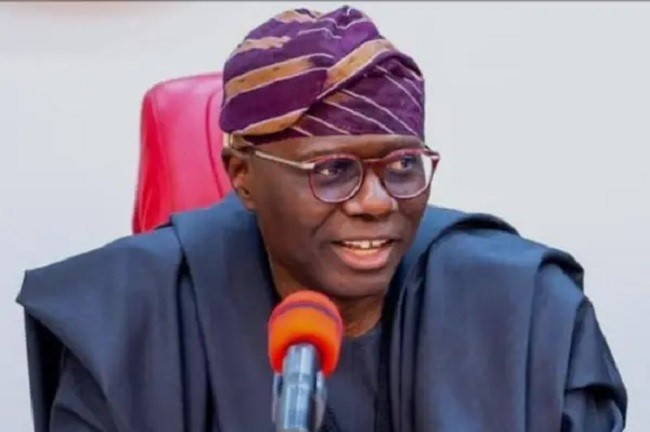
Speaking at the third Nigeria Oil Refining Summit (NORS) 2026 on Monday, September 28, in Lagos, Gov. Babajide Sanwo-Olu said Lagos had a particular interest in linking refining with ports, industrial zones, transport infrastructure and markets.
Sanwo-Olu was represented by the Commissioner for Energy and Mineral Resources, Mr. Biodun Ogunleye.
The summit has the theme “Refining For Value: Linking Upstream Supply to Downstream Demand”.
According to Sanwo-Olu, the Lekki Deep Seaport, the Lekki Free Trade Zone and the Dangote Refinery are not isolated projects.
He said the projects should support businesses, create jobs, strengthen supply chains and stimulate new industries.
Sanwo-Olu said the state’s infrastructure provided an opportunity to connect refining with manufacturing and wider economic activity.
“The objective should not simply be to refine more crude. It should be to build an ecosystem in which domestic refining strengthens manufacturing, supports businesses, creates jobs and makes our economy more productive,” he said.
In his remarks, the President of Dangote Industries Ltd., Alhaji Aliko Dangote, said refining must become part of Nigeria’s wider industrialisation strategy, not just its fuel supply strategy.
Dangote, who was represented by the Group Chief Economist of Dangote Industries Ltd., Dr Hassan Mahmud, said competitive domestic refining could create jobs, generate taxes, retain foreign exchange and build industrial capabilities.
“Every barrel of crude that we process competitively in Nigeria rather than exporting unprocessed creates additional value, jobs, taxes, foreign exchange earnings, industrial capabilities and opportunities for supporting other businesses,” he said.
He said Nigeria needed infrastructure capable of moving crude and refined products efficiently across the country.

He said inadequate pipelines, storage terminals, ports and distribution systems could limit the benefits of increased refining.
“Moving millions of litres of petroleum product predominantly by road is costly, inefficient and damaging to our infrastructure,” Dangote said.
He said domestic refineries should also develop export capacity to serve markets across Africa and beyond.
He added that Nigeria needed several efficient refineries, including large, medium-sized, modular and specialised facilities, to build a competitive refining industry.
“One refinery cannot create an industry,” he said.
The summit brought together regulators, refinery operators, producers and other stakeholders in the oil and gas value chain.