

Politics
How fear and bloodshed are emptying Shiroro communities after


A wave of coordinated bandit attacks has devastated communities in Shiroro Local Government Area of Niger State, leaving deep scars on livelihoods and social life. Families are abandoning their homes, children are forced to drop out of school, and farmlands lie abandoned. For those who remain, fear, grief, and uncertainty shadow their lives. This ICIR report examines how relentless bandit attacks on communities have shattered lives and displaced countless people in Niger State.
On a Tuesday morning in April 2026, Hussaina Aminu was preparing for the market day when gunmen stormed her village of Bagna, Shiroro Local Government Area of Niger State and killed her father.
Bagna is surrounded by several villages, including Lanta, Bota, Unguwan Tuta, and Erena town, which serves as the central hub for socio-economic activities in the area.
Before the attack, there had been rumours that armed men were loitering around Majiba and Lanta villages. But such warnings had become a familiar part of life; many heard them often enough and had learned to dismiss them, clinging to hope that danger would strike elsewhere. On that Tuesday, the 18-year-old and her family did the same. They had readied themselves for the market, but soon enough, the rumours turned to reality as gunfire cracked the air, shattering the fragile peace of Bagna community.
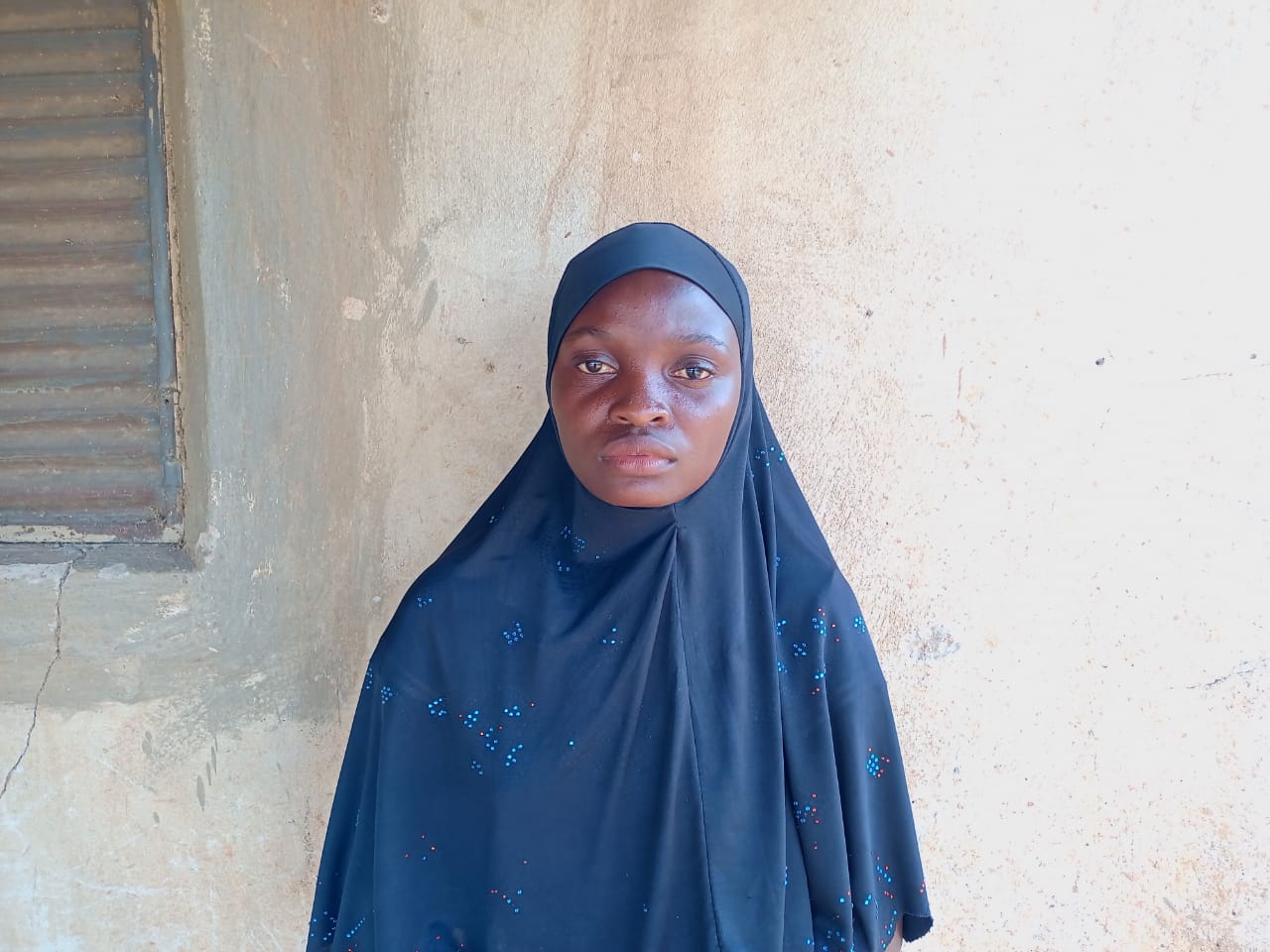
Weeks later, she recounted to The ICIR how the attack had taken them by surprise. “Nobody thought the attackers would come directly into their area,” she said, adding that they had assumed the armed men were headed elsewhere, “perhaps Bassa, as previous rumours had suggested.” She, however, said even when the sound of gunfire crept closer, many had ignored it until it was too late for families to escape.
In the aftermath of the attack, Hussaina Aminu lost her father and some relatives. Since then, her education has been interrupted, but more than that, she suffers from Post-Traumatic Stress Disorder (PTSD).
“Every loud sound now reminds me of that Tuesday. I can no longer sleep easily, and when I do, it often brings back the same memories,” she said. “I dream about the attack and often wake up unsettled,” she added.
Her experience mirrors the ordeals of countless young girls, children and elderly persons in Shiroro, where relentless attacks by gunmen, often called bandits, have claimed hundreds of lives and left thousands displaced.
At a nearby village of Rafin-Sanyi, 14-year-old Victoria David was helping her mother with home chores when the shooting started. As everyone ran for safety, David and her brother took cover in a nearby forest, but their father was not so lucky; he was shot in the chest.
The teenager said the attack has left her emotionally exhausted. She battles insomnia and often replays the tragic event, wondering where to find sustenance. “With my father now deceased. I have lost hope,” she said.
Across Bagna, Erena, Rafin-Sanyi, Lanta, Bota, Unguwan Tuta, and neighbouring communities of Erena ward in Niger’s Shiroro LGA, the air carries echoes of vulnerable voices like Hussaina Aminu and Victoria David, whose lives have been altered forever.
How it started
Days before the April 8 attack on communities of Erena, an administrative ward in Shiroro LGA, dangerous signs had manifested through unusual movements of motorcycles reported around Majiba, near Bagna and Lanta villages. Residents said they noticed unfamiliar motorcycles using bush paths and gathering in a forest.
Although such signs are often taken seriously in an area scarred by constant insecurity and the menace of bandits, they do not always come with certainty. For residents, the presence of armed men has become eerily familiar; sometimes they pass through without striking, other times, the attack occurs dozens of kilometres away.

Ateiro Abakaro, the 54-year-old community leader of Erena, said the first clear sign manifested when the attackers struck Lanta village days before they proceeded to Erena and environs.
He said the armed men had moved into the village on Sunday, killed one person and rustled livestock. “At the time, many residents assumed that was the extent of the attack. They believed the armed men had already carried out their mission and would disappear into the forests again.”

But they were mistaken. Even when villagers reported continued movements of suspected bandits around Majiba, no one could say with certainty where their next target would be.
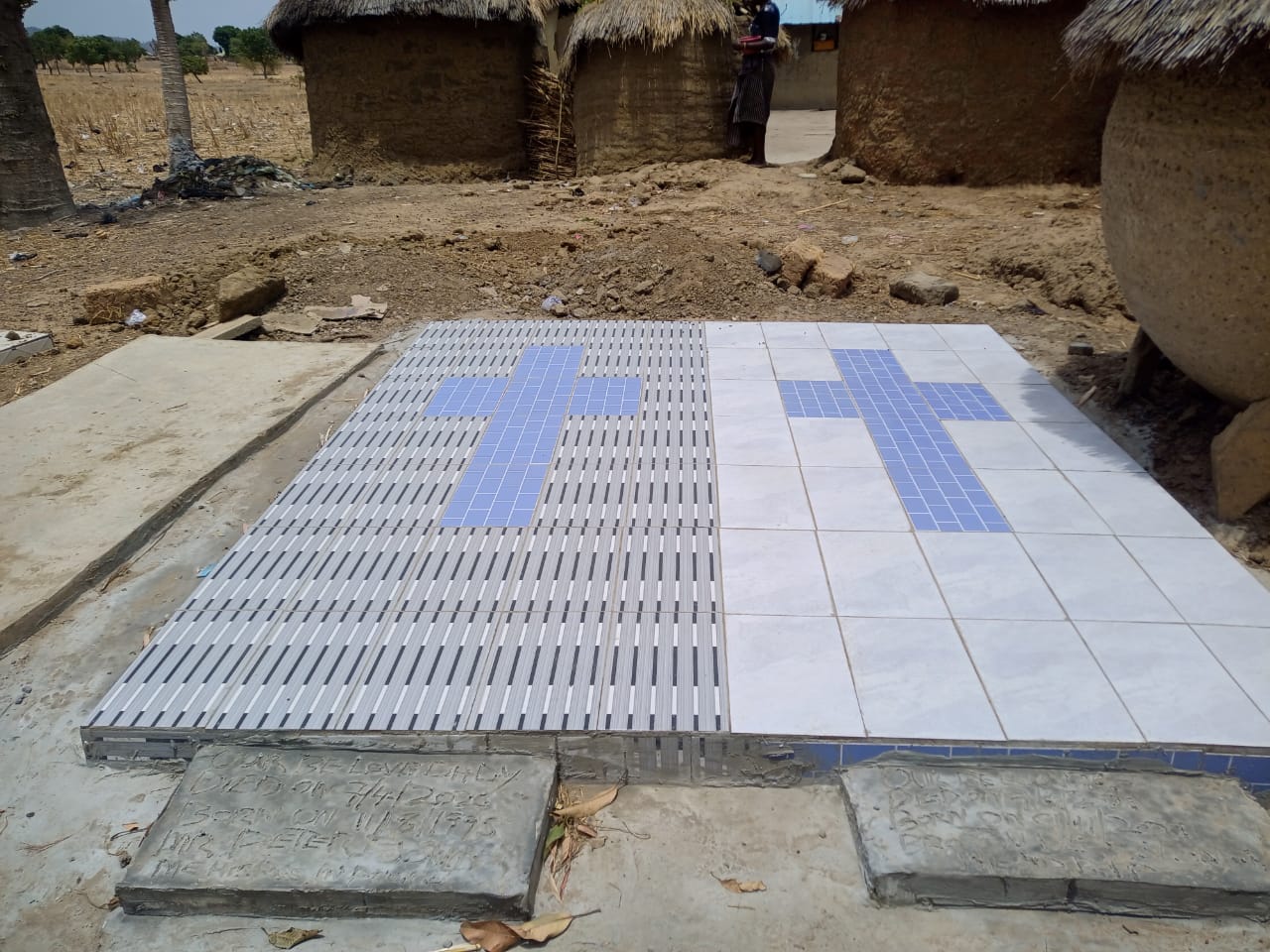
“The uncertainty itself created fear,” Ateiro said, adding that local leaders and residents passed the intelligence to security agencies, but not much was done to prevent the attack. In the aftermath of the attacks, the ICIR gathered that at least 61 people had been killed across the neighbouring communities.
Terrorists overwhelm security forces
Findings revealed that the attackers first confronted the State Security Service (SSS) at their camp in Bagna. Eyewitnesses said security personnel stationed there had tried to resist the invasion, while local vigilantes from nearby communities provided support. But they claimed the overwhelming number of the attackers made resistance a challenge.
The ICIR gathered that the bandits arrived in large numbers, riding from the forest into the town. Ateiro estimated about 300 motorcycles, with each motorcycle carrying two or three armed men. By community estimates, nearly 900 armed attackers invaded the area.
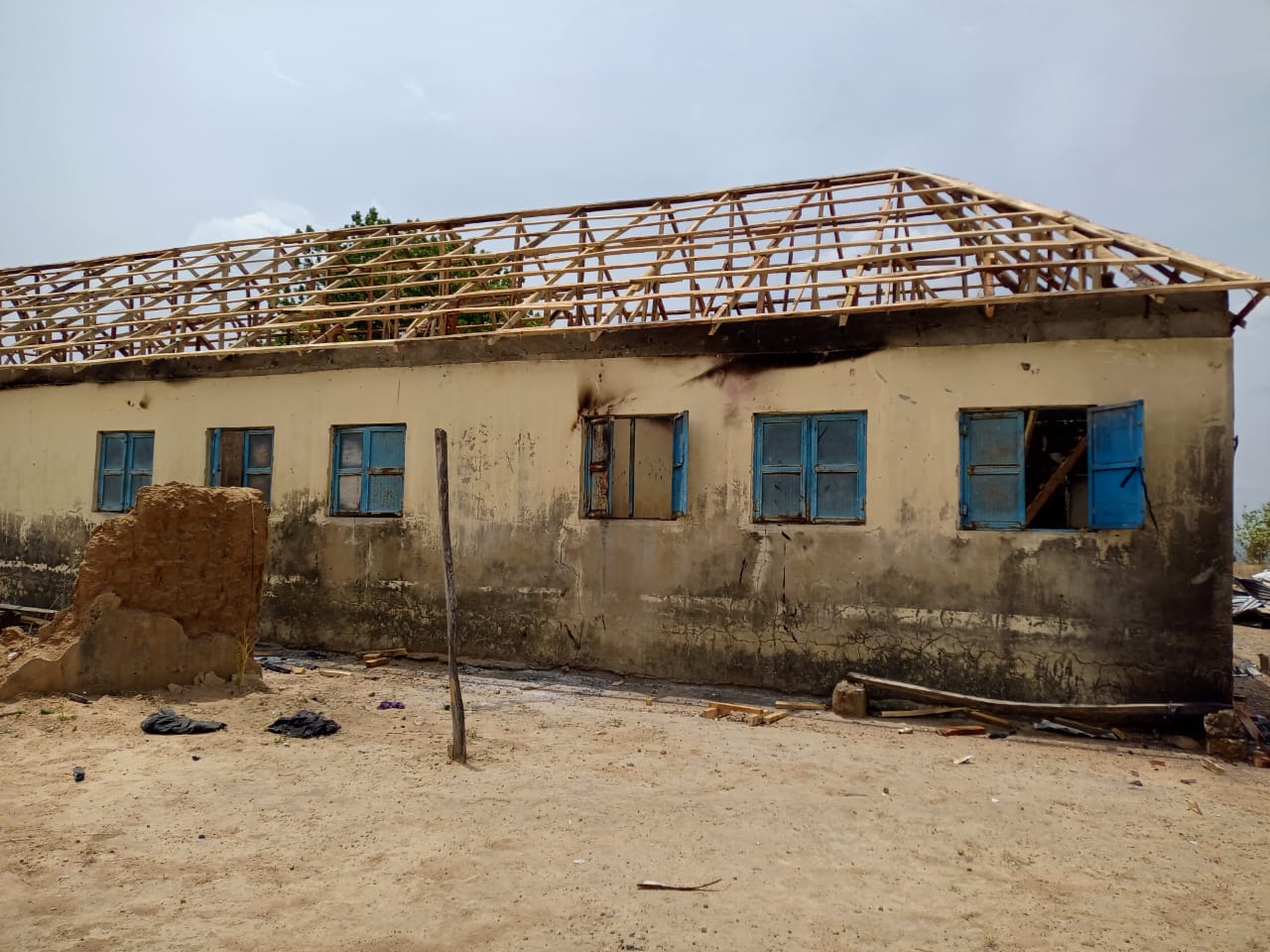
“The SSS officers fought back, and local vigilantes reinforced them, but the attackers were too many,” he said, noting that the terrorists eventually overpowered the camp and set it ablaze.
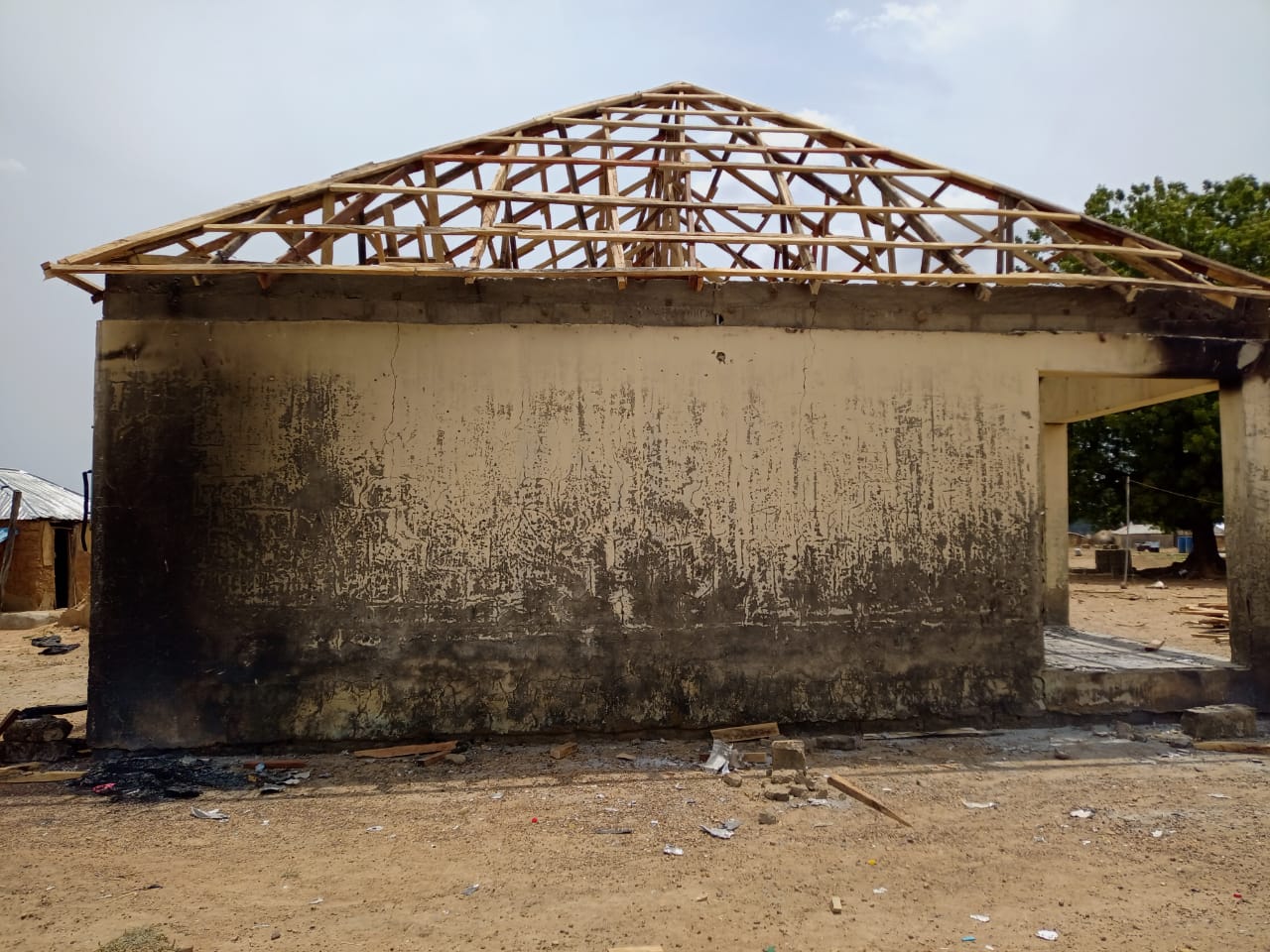
When The ICIR visited the SSS office in April, renovation work was underway. However, parts of the building showed clear signs of destruction, with sections burnt and visibly damaged. The attack also left dented and scorched structures behind.
Once the SSS position in Bagna fell, residents said the armed men advanced toward other towns. Eyewitnesses believed that the terrorists moved towards Erena town due to the visible movements of civilians in that direction. They said it was during that push that many vigilante men and residents were killed.
When The ICIR contacted the Deputy Director, Public Relations and Strategic Communications of the State Security Services (SSS), Favour Dozie, on May 25, she declined to comment on the attack on the SSS facility in Bagna. Instead, she forwarded an earlier statement issued by the Niger State Government urging residents to remain vigilant as security operations intensified in Shiroro LGA.
However, the ICIR observed that the statement also did not specifically respond to questions regarding how the SSS facility in Bagna was overrun and set ablaze by the attackers.
Running through gunfire
Fifty-seven-year-old Solomon Ado, a resident of neighbouring Bagna Bota, remembers the attack through the image of his brother, who was fatally shot in front of him. The arrival of the bandits had caused pandemonium as residents ran towards Erena, believing it would offer safety.
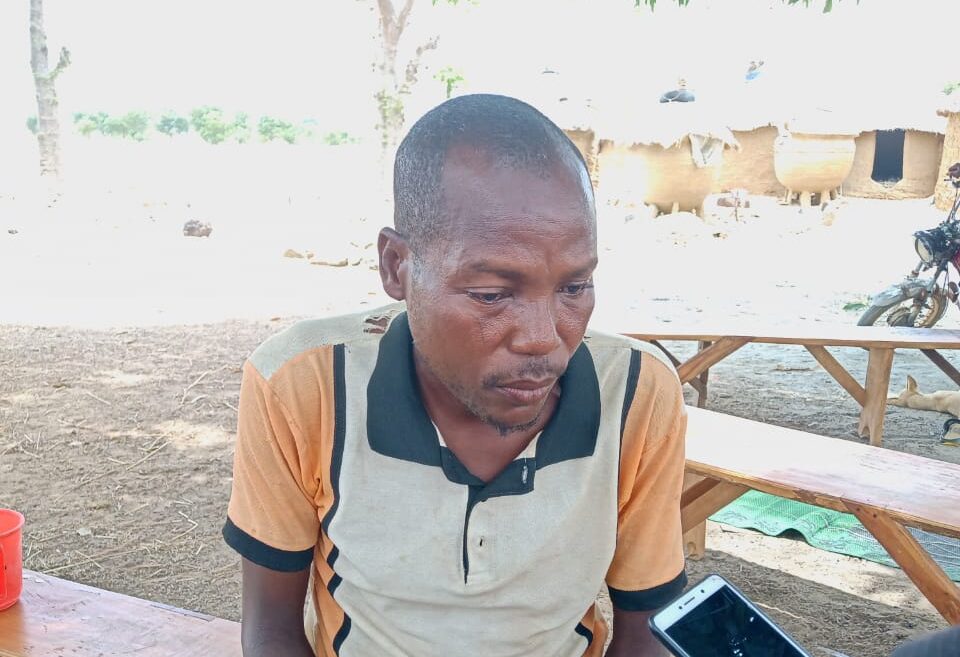
It was in such chaos that Ado said the armed men surrounded them. With no clear path out for most of them, the bandits opened fire, and his brother Jude, alongside another relative, Peter John, were killed.
“They came in more than 100 motorcycles, with about three people on each bike,” he recalled, adding that “Peter John, and Jude Solomon were killed in my compound.”
His account reflects what many survivors described as a pattern where the attackers used both mobility and numbers to trap fleeing residents. With over a hundred motorcycles reported in some sections alone, the bandits moved faster than civilians on foot. Many who tried to outrun them were intercepted on open paths between villages.
Villages turned into ghost towns
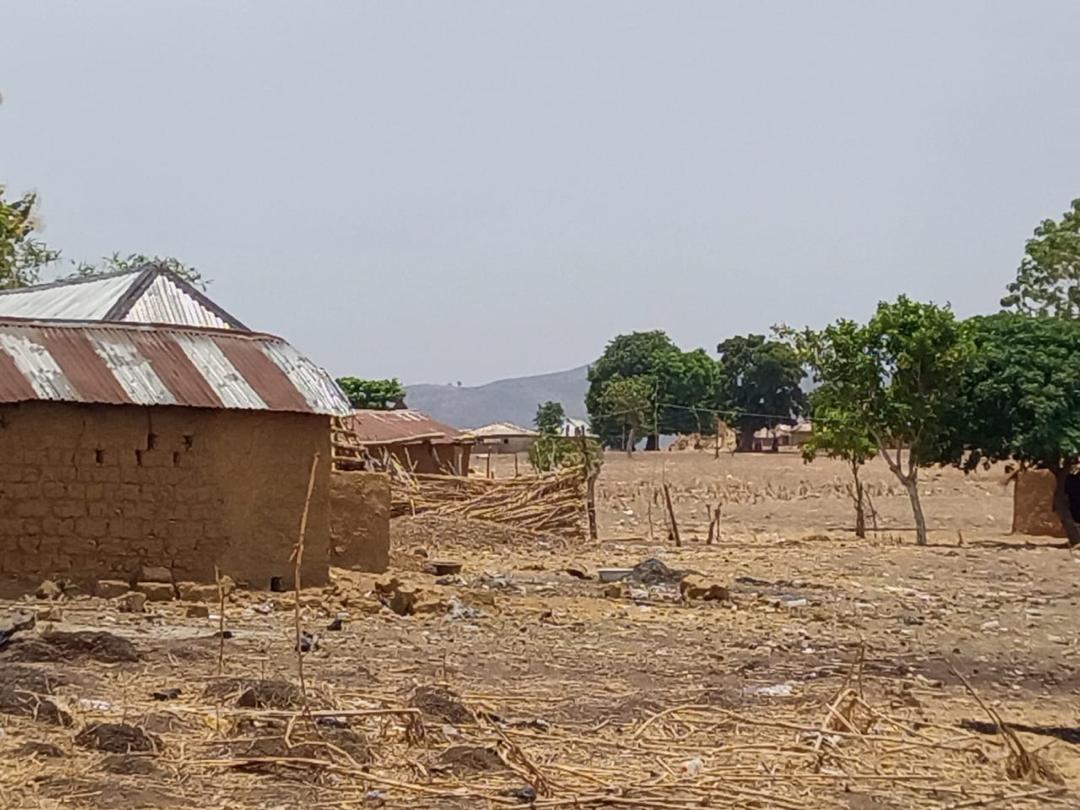
A day after the deadly attack on Bagna and neighbouring communities, the fear of further invasion spread across other communities, forcing hundreds of residents from Bassa and environs to flee their homes. Many were seen carrying their luggage and what little belongings they could carry on their heads and shoulders as they moved towards Erena town.
Erena town is a nearby garrison town, less than 30 kilometres from Bagna, where many displaced families usually take refuge during attacks or impending invasions. Soon after the attacks, many residents of Bagna, Rafin-Sanyi, Lanta, Bota, and Unguwan Tuta had abandoned their homes, food supplies, and farmlands for refuge in Erena.
While some were killed while trying to reach Erena’s Haven, Ahmed Tanko, who made it to Erena, explained that Bagna and neighbouring communities have been emptied, saying residents were afraid to return. As a witness to the attack, he told The ICIR that Bagna and the surrounding communities were once peaceful farming settlements where residents depended on maize, yams, beans, and livestock for survival. He, however, said repeated attacks have turned the once-peaceful but economically charged communities into ghost settlements.
Mary Bitrus, a displaced mother of four now taking refuge in Erena, said the attack destroyed everything her family had worked for. Sitting outside an unfinished building where she now sleeps with her children, she recalled how they fled with only the clothes they were wearing.
“Before this happened, we had food in the house, we had our farm, and my husband was working. Now we depend on people to survive,” she said. “Sometimes my children cry because they are hungry, and I cannot do anything. We don’t know when we can go back, and even if we return, we don’t know what we will meet there.”
The mother of four said many families remain separated after the attack, adding that some women arrived in Erena without their husbands or children, while others are still searching for missing relatives who disappeared during the chaos.
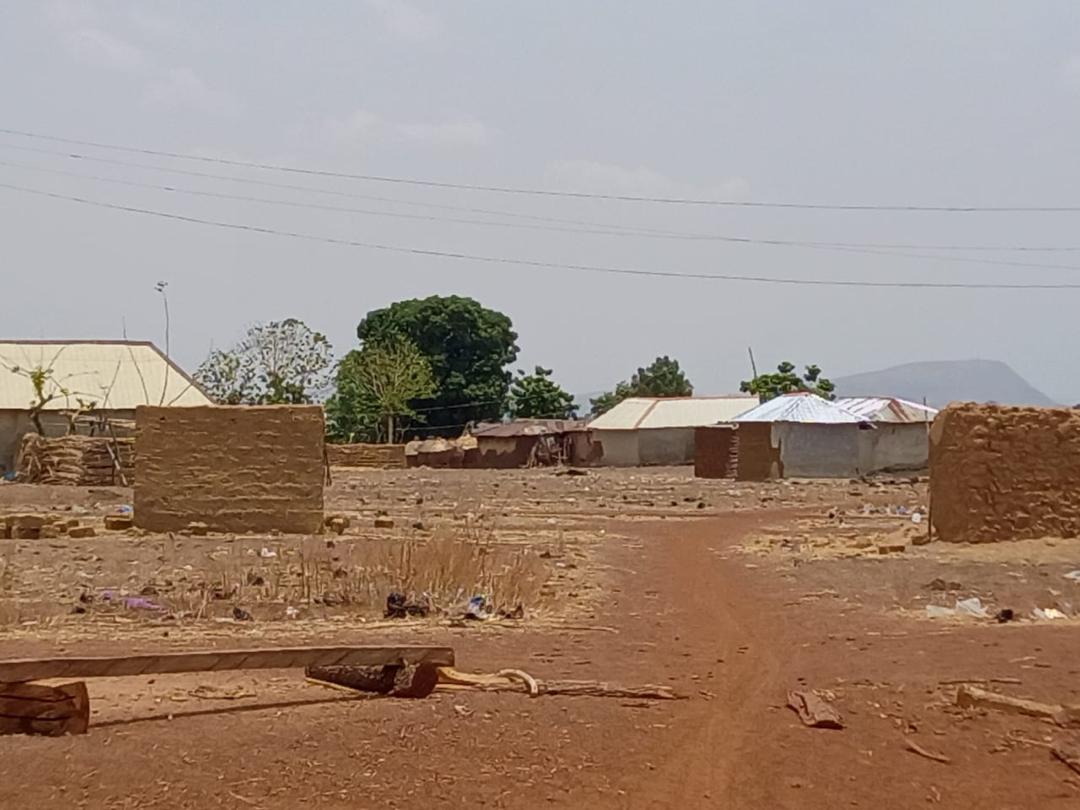
When the ICIR visited Bagna, it appeared deserted, with only occasional sightings of residents who had returned briefly to salvage remaining belongings or assess damages to their homes.
Findings also indicate that several deserted communities have effectively ceased normal economic activities, as markets, schools, and places of worship remain closed. Community sources further suggest that the continued attacks have forced more families to move repeatedly between makeshift shelters, particularly in Erena and other safer towns.
Displaced, struggling to survive
Blessing Dogara survived the siege on Bagna but now struggles to feed while taking refuge in Erena. The 25-year-old had lost three brothers on the day of the attack and, like many others, has now left behind a farmland, harvested produce, and little savings built from farming and trade.
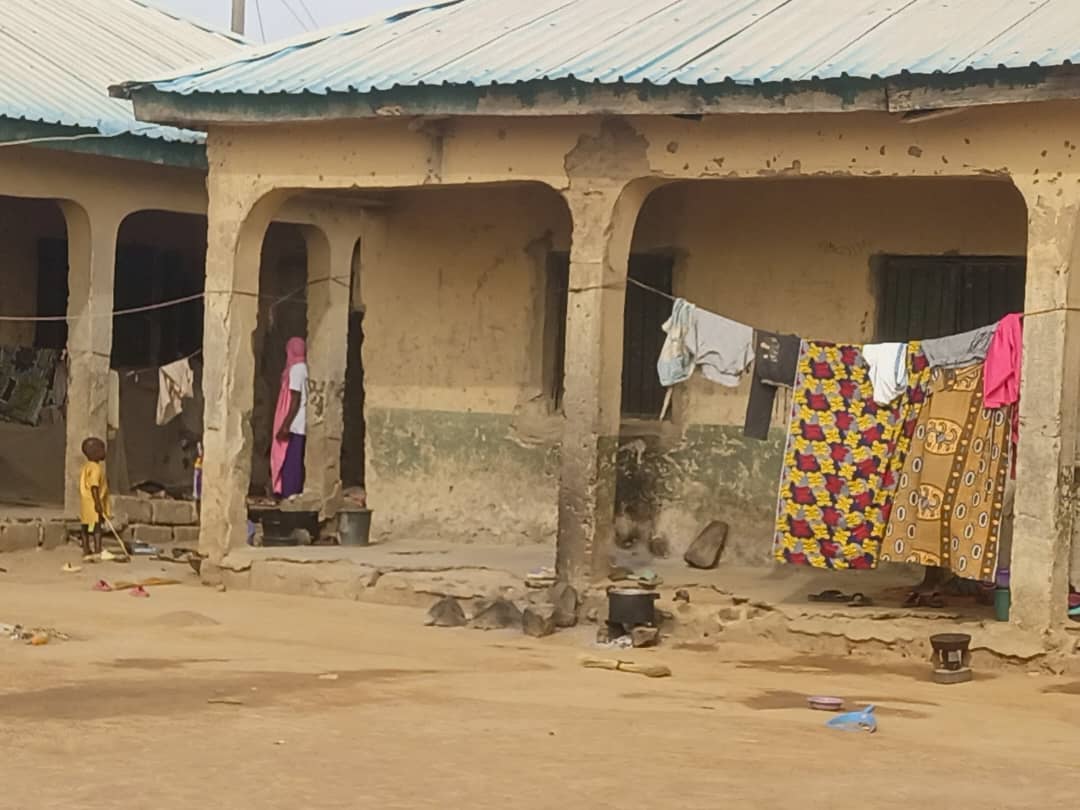
“We can’t go back home yet,” she said, adding that they fear their attacks could launch further attacks in the near future.
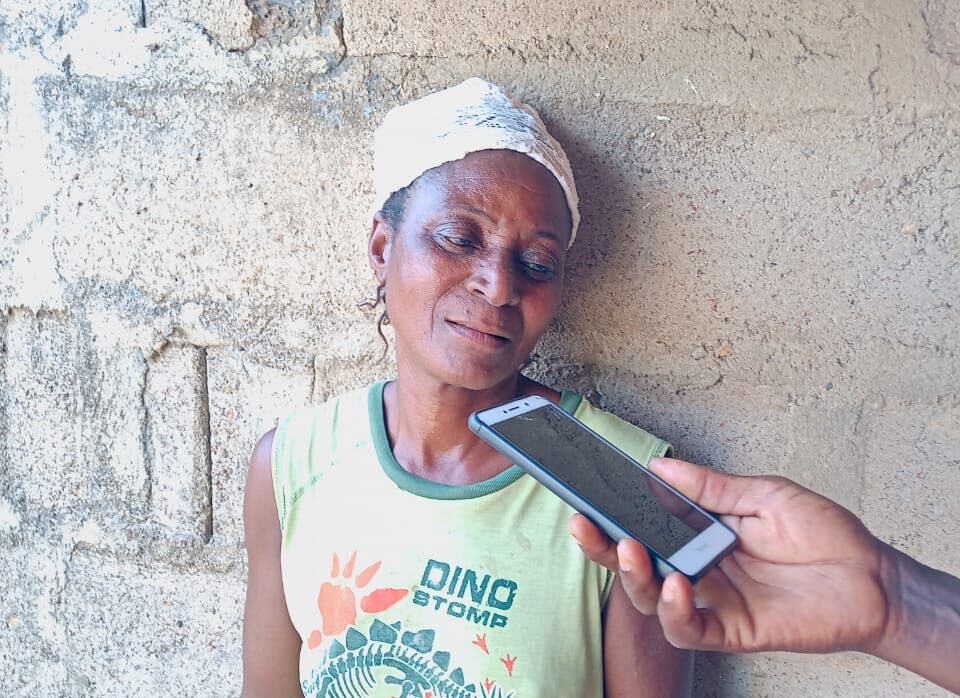
Habiba Aliyu, a resident of Gbaita village, said her family survived the attack, but life afterwards has been difficult. Before the attack, the 36-year -old said farming sustained her family. “Our children’s school fees were paid through that. It provided us with food and supported our daily living. But now, going to the farm feels like taking a risk many are not ready to take,” she said.
Nigeria’s broader displacement figures reflect the scale of that reality. According to the United Nations High Commissioner for Refugees (UNHCR), Nigeria has over 3.7 million internally displaced persons as of March 2026, driven by armed conflict, banditry, terrorism, communal violence, and natural disasters. UNHCR noted that the crisis continues to disrupt livelihoods and leaves many families dependent on temporary humanitarian support rather than long-term recovery.
The National Bureau of Statistics (NBS) also reported that more than 3.3 million Nigerians are living as internally displaced persons across 14 states in 2023.
Niger State remains one of the states repeatedly affected by displacement, with attacks by armed groups and repeated violence in rural communities forcing people out of their homes.
Strained, overstretched local security
The ICIR gathered that about 18 vigilante officers died while defending their communities, and their remains were later recovered from Erena. Among them was a staff member of the Local Education Authority and another who had just completed secondary school.
While this reporter could not establish a breakdown of vigilante members killed in each community, Ateiro Abakaro, the Erena community leader, said about seven of them were from Erena, while others were from neighbouring villages.
“The attackers were too many, too many to be handled. Too many. Our guys actually tried,” he added.
He said their deaths were particularly painful because they represented the future of the community.
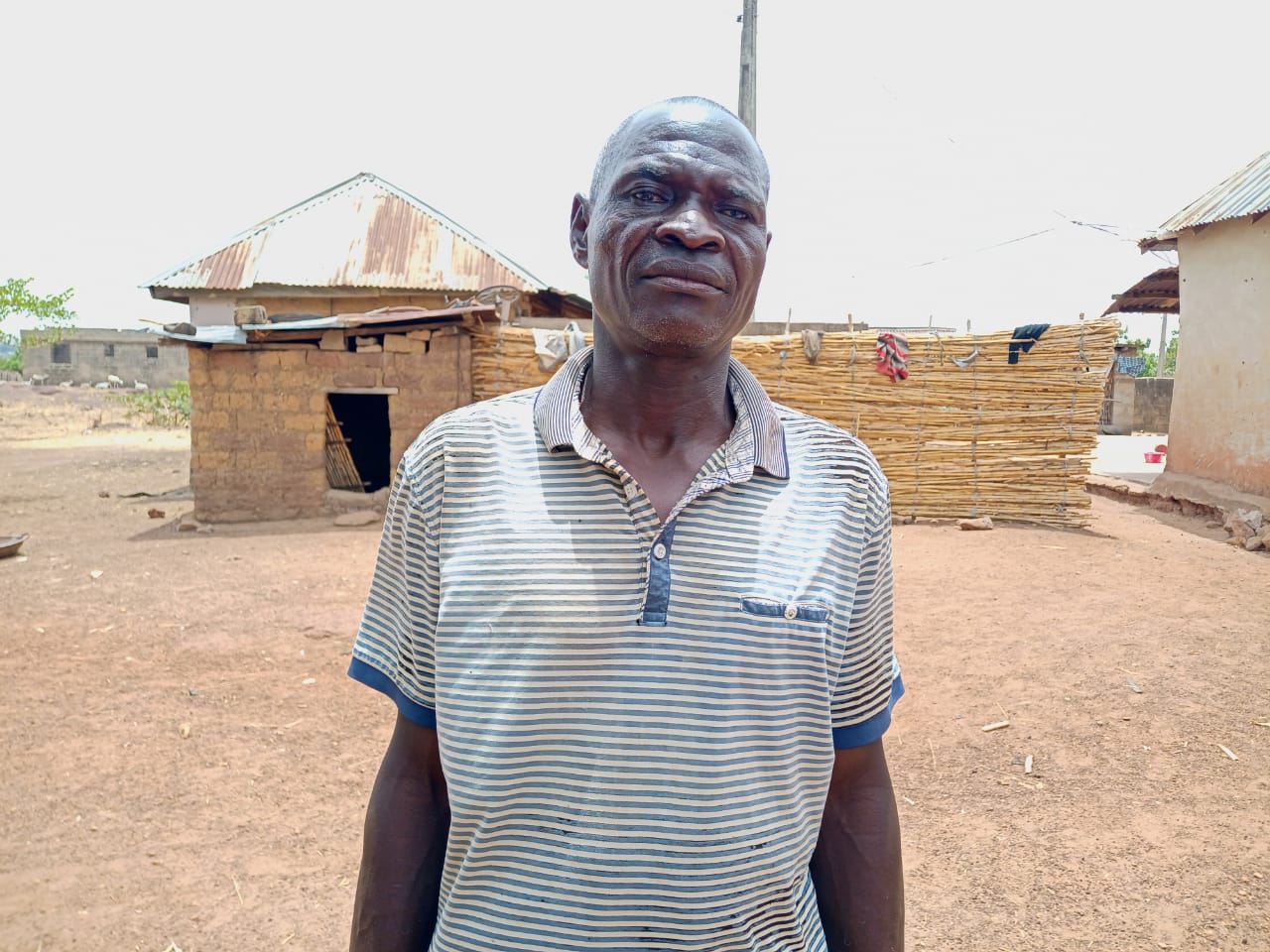
Among the dead was Balapada, who died protecting the people of Erena. His elder brother, Haruna Adam, told The ICIR that Balapada fully understood the danger before joining the vigilante group, adding that the deceased believed he was protecting the lives and properties of residents.
“He had taken that responsibility seriously, even though the men confronting the bandits were often outgunned. He was aware it was dangerous, but he still accepted the risk. He took an oath to protect the lives and properties of the Erena community in general,” he noted.
Yakubu Dada was one of the lucky vigilante members. He was seated among his kinsmen when news broke that terrorists were advancing towards the SSS office in Bagna. Having defended Erena community for four years, Dada rushed into his room, grabbed his pump-action gun, and headed towards Bagna alongside several of his colleagues.
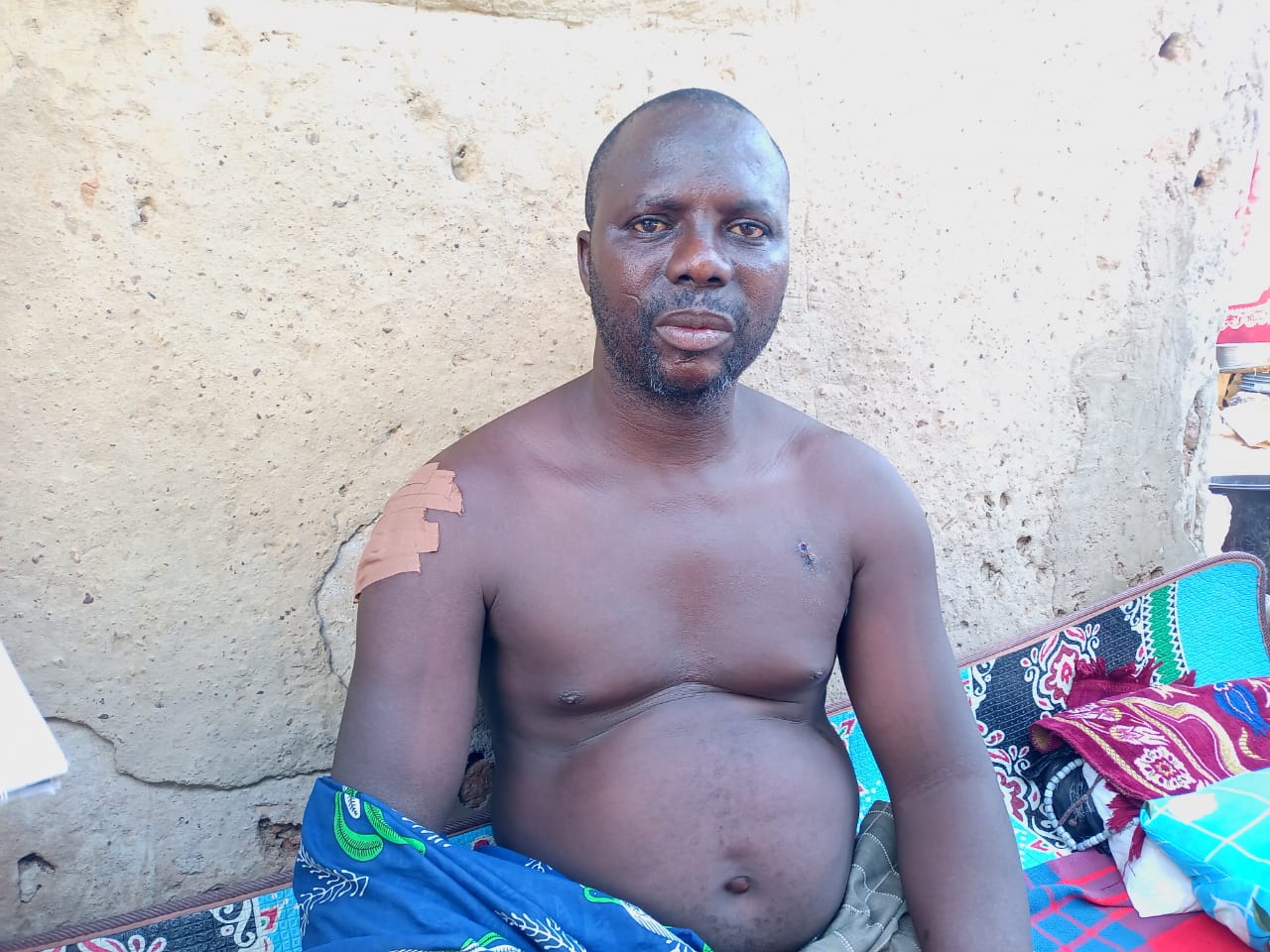
He described the attackers as overwhelming in number, saying they came like flies and surrounded the area. He said the vigilantes had moved in to assist SSS operatives, but were overran while others attempted to retreat and take cover.
Unfortunately, he said it was during that retreat that he was shot in the shoulder. “There were many of them on motorcycles, and they were shooting at us from different directions. It was an open field with no place to hide,” he said. “That was why many of our people were killed.”
Dada, who was later hospitalised, told The ICIR the attackers had chased after them, hoping they had AK-47 rifles, adding that “that was what they were asking us to surrender.”
Now weeks after the attack, Dada laments neglect. “When I was wounded, no one came to my aid. It was only the vice-chairperson, Janet S. Auta, and the DPO of Erena Police Station who gave me N10,000 each. My uncle, Danjuma Goma, paid all my hospital bills,” he added.
The ICIR reached out to the Shiroro Local Government Chairman, Isyaku Bawa, on Monday, May 25, over allegations of neglect and inadequate support for injured vigilante members and the families of those killed during the attack, but his line was unreachable, and a text messages sent to him were not replied to.
We rely on pump-action guns, lack formal training- Vigilante
Aliyu Yakubu, Assistant Chairman of the Vigilante group and Intelligence Officer of the Erena branch, lamented that vigilantes have no formal training, no institutional backing, and no reliable government assistance, adding that they rely mostly on pump-action guns while confronting attackers with military-grade weapons.

This was the position of several local security operatives protecting Erena and the neighbouring villages.
The ICIR reports that in many cases, local security forces are often sacrificed against terrorists carrying sophisticated firearms and arriving in large numbers. Nigeria’s security framework allows for community-based support groups in some states, but their capacity varies widely depending on local funding and government coordination.
In many of these communities, vigilante formations are locally organised and community-funded, with members typically drawn from residents familiar with the terrain. However, they often lack structured training, modern equipment and legal protections, which has continued to raise concerns about their effectiveness and safety in high-intensity confrontations.
Education, livelihood under strain
Across the affected villages, the impact of the recent attacks has been far-reaching. Many households that spoke with The ICIR said the attack has disrupted education, weakened livelihoods, and created uncertainty over how to sustain basic needs.
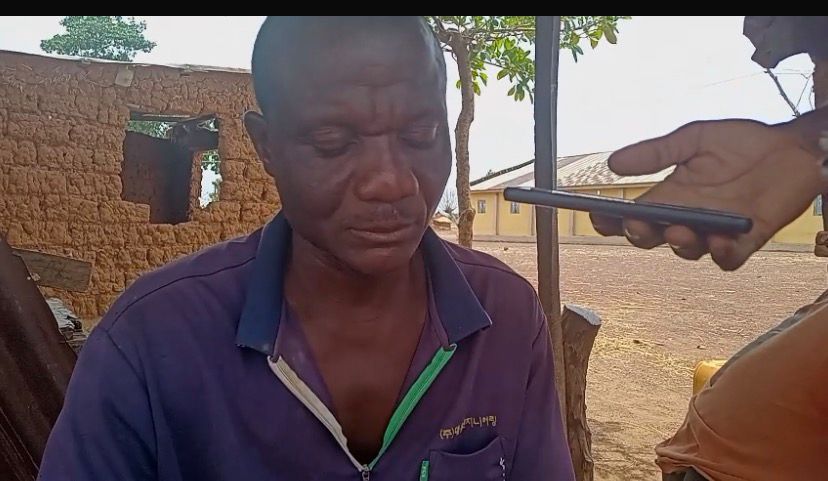
For farmers, the situation has been equally difficult. The start of the planting season, which should signal renewal, has instead been marked by hesitation and fear. Marcus Audu, a resident of Bagna Baro village, said insecurity has made it difficult to return to farmlands.
“For food and feeding, we have challenges because we cannot farm peacefully,” he said, explaining that communities in the Lakpma axis of Shiroro LGA possess vast fertile land suitable for yams, maize, rice and guinea corn cultivation, but persistent insecurity has made farming nearly impossible.
According to him, several communities within the axis, including Allawa village, have become inaccessible due to the activities of armed groups.
“They have turned Allawa into their own territory. That is where they do their training and everything now because nobody dares go there,” he said.
Attack on Erena, Bagna barbaric — Niger govt
Meanwhile, the Niger State Government on April 8, condemned the attack on Erena, Bagna and other villages in Shiroro LGA, describing it as “senseless, barbaric and inhumane.”
In a statement, the Secretary to the State Government, Abubakar Usman, expressed grief over the incident and extended condolences to affected families, noting that such violence against innocent citizens would not be tolerated.
He said the government was working with security agencies to intensify operations aimed at flushing out criminal elements across the state. The government also urged residents to remain vigilant and support security efforts with credible information, while assuring that those responsible for the attacks would be brought to justice.

Mustapha Usman is an investigative journalist with the International Centre for Investigative Reporting. You can easily reach him via: musman@icirnigeria.com. He tweets @UsmanMustapha_M



