Education
Canadian coalition rejects Carney’s investment summit, warns against ‘financialisation’ of economy – EnviroNews
– Advertisement –
A broad coalition of Canadian labour unions, Indigenous Nations, housing advocates, climate organisations and peace groups has announced a coordinated day of action against the Canada Investment Summit, accusing the government of putting the country’s economic future at risk by courting powerful global investors.
The protest, organised under the banner “The Many vs. The Money,” is scheduled to coincide with the opening of the summit in Toronto on Monday, September 14, 2026, by Prime Minister Mark Carney.

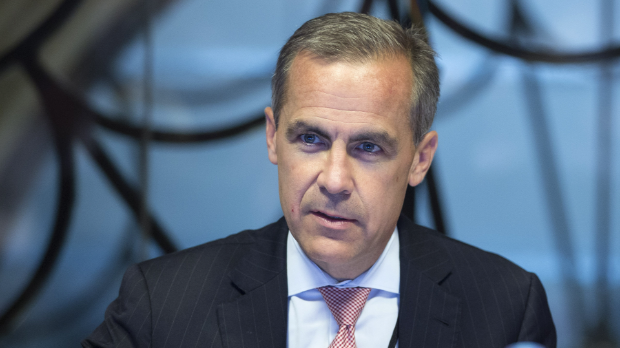
The summit is expected to bring together more than 100 global asset managers and sovereign wealth fund executives, with Ottawa seeking to attract up to $500 billion in foreign capital expansion into areas including public infrastructure, high-emission energy projects, artificial intelligence data centres and military supply chains.
The coalition, however, argues that the investment strategy places excessive emphasis on private capital and profit at the expense of workers, communities, affordable housing and environmental protection.
In a statement, the groups criticised what they described as Ottawa’s decision to “roll out the red carpet” for some of the world’s most powerful financial institutions and investors.
They singled out senior executives from BlackRock, Blackstone, Canada Pension Plan Investment Board (CPP Investments), Public Sector Pension Investment Board (PSP Investments) and Abu Dhabi-based Mubadala Investment Company.
The coalition described BlackRock Chief Executive Officer, Larry Fink, as a major figure in the financialisation of essential goods and services, alleging that the investment giant has accumulated significant influence over energy, commodities and housing while maintaining investments in defence and fossil fuel industries.
It also criticised Blackstone President and Chief Operating Officer, Jonathan Gray, portraying the private equity firm as a major player in the acquisition of residential properties and warning that the expansion of institutional ownership of housing contributes to rising rents and housing insecurity.
The groups further raised concerns over the investment strategies of CPP Investments CEO, John Graham, and PSP Investments CEO, Deborah Orida, arguing that Canadian pension funds have invested in fossil fuel infrastructure and other sectors without sufficient democratic oversight or alignment with climate objectives.
Mubadala Private Equity Co-CEO, Camilla Languille, was also criticised, with the coalition questioning the transparency of sovereign wealth funds and their investments in energy, mining, technology and international real estate.
The coalition argued that attracting investment should not come at the cost of weakening public services, worsening the housing crisis, expanding fossil fuel infrastructure or supporting industries connected to armed conflict.
“Everything on the table at this summit: privatized public services, destructive pipelines, weapons factories—endangers the future of people here and around the world, while global investors profit,” the statement said.
It added that an economy designed to serve ordinary Canadians could not be built by wealthy investors operating behind closed doors and prioritising returns.


The groups said their planned mobilisation would bring together workers, Indigenous communities, housing campaigners, climate activists and peace organisations to challenge what they see as an economic model that concentrates wealth and decision-making power in the hands of private financiers.
They argued that Canada’s investment strategy should instead prioritise affordable housing, climate action, public infrastructure, good jobs and democratic accountability.
The coalition’s action is expected to place growing scrutiny on the Carney government’s efforts to attract international capital as it seeks to position Canada as a competitive destination for investment in infrastructure, energy, technology and national security.
While the government has presented the investment drive as a means of strengthening Canada’s economy and attracting capital for major projects, the protesters contend that the source and terms of investment matter as much as the amount of capital secured.
The groups are therefore calling for a broader definition of economic prosperity – one that measures success not only by investment flows and financial returns, but also by their impact on workers, communities, housing affordability, Indigenous rights and the environment.