Education
Coalition urges Lagos Assembly to ban GMOs, citing environmental, health concerns – EnviroNews
– Advertisement –
A coalition of scientists, farmers, environmentalists, food sovereignty advocates, nutritionists, women and youth groups has called on the Lagos State House of Assembly to ban genetically modified organisms (GMOs), citing concerns over biodiversity, public health, farmers’ rights and food sovereignty.
The coalition made the call in a joint position paper submitted during a public awareness rally organised in Lagos on Thursday, October 29, 2026, by the Health of Mother Earth Foundation (HOMEF), Environmental Rights Action (ERA), Corporate Accountability and Public Participation Africa (CAPPA), Kebetkache Women Development and Resource Centre, and the GMO-Free Nigeria Alliance.

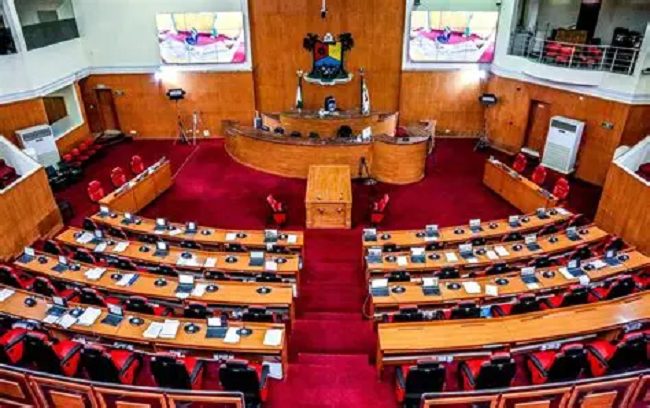
The groups urged the Lagos State Government to prohibit the cultivation and use of GMOs in the state, reverse existing approvals and initiate comprehensive investigations into their long-term health and environmental implications.
They identified potential risks including contamination of indigenous plant varieties through cross-pollination, loss of agricultural biodiversity, soil degradation, corporate control of seeds and possible health complications.
The coalition also expressed concern that genetically modified crops, including Bt cowpea and Bt cotton, could affect soil ecosystems, while patent restrictions could undermine farmers’ traditional practices of saving, reusing and sharing seeds.
According to the groups, dependence on patented seeds could force farmers to purchase new supplies season after season, increasing their reliance on biotechnology companies and threatening indigenous agricultural systems.
Speaking at the rally, Joyce Brown, Director of Programmes at HOMEF, said opposition to GMOs was not limited to Nigeria, pointing to countries that have introduced restrictions or bans on their cultivation or importation.
She noted that biodiversity protection was among the reasons cited by some countries for restricting GMOs.
Brown said the coalition was calling for a comprehensive ban, including the reversal of permits already granted, alongside extensive investigations into the long-term effects of genetically modified organisms on human health and the environment.
She argued that action by the Lagos State House of Assembly could build on a motion moved by Nigeria’s House of Representatives in 2024 seeking the suspension of GMOs and an investigation into approvals already granted.
According to her, a decision by Lagos could encourage other states to review their policies on genetically modified crops and strengthen safeguards for Nigeria’s food system and environment.
Dr. Ifeanyi Casmir, a molecular biologist and public health policy analyst, called for a precautionary, transparent and people-centred approach to biotechnology regulation.
He expressed concern about potential allergenic, toxicological, reproductive and ecological risks associated with GMOs, arguing that Nigeria’s food systems, ecological diversity and public health were already under pressure.


Casmir also cited research reporting the presence of Bt toxins in the blood of pregnant women and umbilical cord blood, raising questions about exposure during pregnancy.
He argued that potential risks required careful investigation, particularly where effects on fetal development and long-term human health remained uncertain.
The coalition further questioned the adequacy of Nigeria’s biosafety regulatory framework.
Olamide Martins, Associate Director at CAPPA, said more than 20 products had reportedly received approvals since 2016 for purposes including commercial cultivation and use in food, animal feed and processing.
He questioned whether sufficient long-term and independent risk assessments had been conducted before the approvals were granted.
Martins warned that shortcomings in regulatory oversight could have implications for food safety, environmental protection and the country’s control over its agricultural resources.
The groups also highlighted the implications of GMO patents for smallholder farmers, particularly their ability to retain seeds for future planting.
Esele Ojeanelo, Project Officer at HOMEF, said Nigeria’s food security depended on protecting farmers’ rights to preserve indigenous crop varieties and maintain control over their farming systems.
“A nation cannot secure its food future by surrendering control of its seeds, its biodiversity and its farming system to corporate control,” Ojeanelo said.
She called for support for ecological, locally rooted and sustainable agriculture, arguing that patent requirements associated with some genetically modified seeds could increase farmers’ dependence on foreign corporations.
Beyond their demand for a ban on GMOs, the coalition urged the Lagos State Government to address structural challenges affecting food production and access.
These include insecurity that prevents farmers from accessing their farms, inadequate agricultural extension services, insufficient infrastructure, limited access to land, particularly for women and young people, and difficulties accessing markets.
The groups called for increased public investment in agroecology, an approach that applies ecological principles to agricultural production while supporting biodiversity, sustainable farming practices and local food systems.
They argued that agroecology could strengthen food security and food sovereignty while creating economic opportunities for farming communities and reducing dependence on externally controlled agricultural inputs.
The statement was endorsed by GMO-Free Nigeria, an alliance comprising more than 70 organisations.
The coalition maintained that decisions on agricultural biotechnology should prioritise environmental protection, public health, farmers’ rights and the long-term resilience of Nigeria’s food system.
Its demands place the role of state and federal authorities in regulating genetically modified crops at the centre of an ongoing debate over biotechnology, agricultural development and sustainable food production in Nigeria.