Education
Cross River mangrove destruction sparks concern over coastal development – EnviroNews
– Advertisement –
The Mangrove Action Project (MAP) has raised serious concerns over the reported clearing of a 100-hectare mangrove restoration site in Esierebom, Cross River State, warning that the destruction could undermine years of community-led conservation efforts and increase the area’s vulnerability to flooding, coastal erosion and other climate-related risks.
The concern was raised in a letter by Alfredo Quarto, Advocacy Director and Co-Founder of MAP, to Dr. Edu Effiom of the Cross River State Climate Change Council, with copies sent to relevant state government officials and agencies involved in commerce, investment promotion and financial administration.

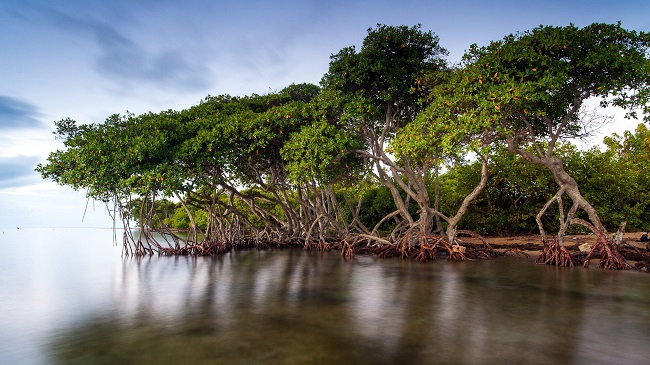
Quarto said MAP, an international non-governmental organisation that has worked since 1992 to conserve and restore threatened mangrove forests globally, was particularly concerned about the fate of mangroves in the Niger Delta.
He noted that the organisation had been encouraged by recent efforts by the Biodiversity Rescue Club (BRC) and young people in the Esierebom coastal ecosystem to restore degraded mangroves.
According to him, the community-led project had restored about 100 hectares of mangrove habitat over a period of more than two years, with significant contributions of volunteer labour, technical support and financial resources.
The restoration effort was also supported by community-led REDD+ frameworks in Cross River State under the UN-REDD Programme and the Global Environment Facility (GEF) Small Grants Programme.
Quarto said more than 10,000 mangrove seedlings had been planted through the initiatives, while BRC subsequently raised and planted more than 3,000 additional seedlings from a nursery established at the site.
He described BRC as an “inspired and inspiring” youth organisation whose efforts deserved support as it continues to protect and restore mangroves in Cross River State.
However, he expressed concern that the restoration gains had allegedly been lost following the recent clearing of the entire site to make way for an ultramodern marketplace.
Quarto said the clearing was reportedly undertaken without notification or consultation with those involved in the restoration project, questioning why the proposed market could not be located elsewhere to avoid destroying the restored mangrove ecosystem.
“Though there may be good reason for building such a market, couldn’t this be built in another location, and thus not affecting the vital mangroves that had been so successfully re-established at the same site by the BRC team?” he asked.
MAP also commended the Biodiversity Rescue Club and the Nigerian Youth Climate Negotiators Network for raising concerns over the mangrove destruction and advocating measures to address the situation.
Quarto endorsed the groups’ position that development in environmentally sensitive coastal areas must balance economic objectives with environmental protection.


He cited concerns that constructing a market on a vulnerable coastline could create future risks, particularly in an area potentially exposed to flooding, land subsidence and coastal damage.
The MAP official urged the Cross River State Government to immediately consider a number of measures proposed by BRC, beginning with transparency over whether an Environmental Impact Assessment (EIA) was conducted before the site was cleared.
He called for clarification on whether a comprehensive EIA had been undertaken in accordance with Nigeria’s Environmental Impact Assessment Act and, if one had been conducted, urged the government to publish the full EIA report, Environmental Management Plan and relevant approval certificates online.
Quarto further called for a halt to construction activities if no statutory EIA had been carried out, pending a comprehensive baseline environmental assessment and a transparent public review process.
He also urged the authorities to develop and publish a clear mitigation and adaptation framework addressing the potential impacts of the development, including coastal erosion, storm or tidal surge vulnerability and localised flooding.
Another recommendation was the adoption of a “No Net Loss of Biodiversity” approach through an ecosystem-offset programme.
Under the proposal, an alternative degraded coastal site within Cross River State would be identified for mangrove restoration to compensate, at least in part, for the ecological losses associated with the cleared site.
MAP also called for government-backed replanting, with institutional and financial support to replace the lost mangrove cover at a scale that reflects the ecological damage incurred during the clearance.
The organisation further advocated a formal multi-stakeholder dialogue involving the Cross River State Ministry of Environment, Forestry Commission, Esierebom community leadership, urban planners and civil society organisations, including BRC and GLFx Calabar.
Such a platform, Quarto said, could establish a joint monitoring framework and ensure that local communities and environmental stakeholders have a role in decisions affecting the coastal ecosystem.
The concerns come against the backdrop of Cross River State’s longstanding reputation for biodiversity conservation and environmental protection.
Quarto acknowledged what he described as positive reports about efforts to position Cross River as Nigeria’s “Green Innovation Hub”, noting the state’s rich biodiversity, tropical rainforest and history of conservation initiatives.
He said the state government’s ambition to integrate environmental protection with economic development through green and blue economy initiatives made the reported destruction of the restored mangrove site particularly concerning.
“These words seem to be contradicted by the recent clearing of the 100 ha of mangroves that were so meticulously planted and cared for by the BRC and its many volunteers,” Quarto stated.
Mangroves provide a range of ecological services, including coastal protection, carbon storage, habitat for fish and other wildlife, and support for communities whose livelihoods depend on coastal ecosystems. Their loss can also increase exposure to erosion and flooding, particularly as climate change intensifies coastal risks.
MAP therefore urged the Cross River State Climate Change Council and relevant government authorities to respond positively to the requests made by BRC and other concerned stakeholders.
Quarto said the organisation hoped the authorities would take prompt steps to investigate the reported clearing, ensure transparency around the proposed market development and support measures to restore and protect mangroves in Esierebom and other vulnerable coastal areas.
The controversy highlights the challenge facing governments seeking to pursue infrastructure and economic development while protecting ecosystems that provide critical environmental and climate-resilience services.
For MAP, the Esierebom case presents an opportunity for Cross River State to demonstrate that its green and blue economy ambitions can be matched by strong environmental safeguards, community participation and responsible coastal planning.