Education
CSOs urge gender inclusion in host community development, review of PIA – EnviroNews
– Advertisement –
Civil society organisations (CSOs) have called for stronger women participation in decision-making and development initiatives in communities affected by resource extraction and a review of Petroleum Industry Act (PIA).
The CSOs made the call at a Stakeholder Engagement and Validation Workshop on Protecting the Rights of Women in Extractive Industry and presentation of two National Desk Review Reports in Abuja on Tuesday, August 18, 2026.

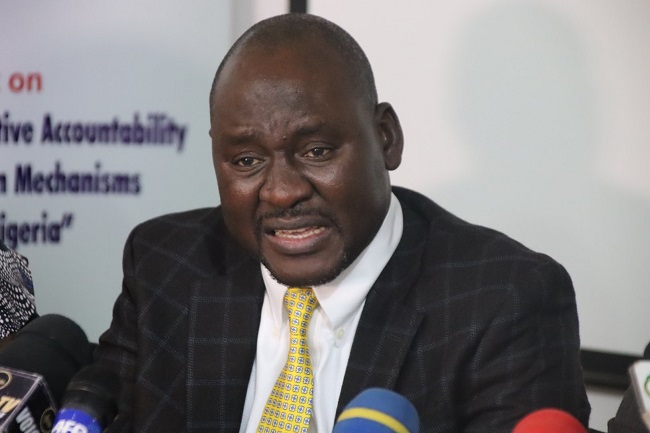
The engagement was supported by Oxfam and Hewlett Foundation, in partnership with Civil Society Legislative and Advocacy Centre (CISLAC).
Speaking at the occasion, the researcher and presenter of the report, Dr. Botti Isaac, Director of Programmes, Social Action Nigeria, said the report revealed that women bore significant impacts of oil extraction activities in the country.
Isaac stressed the need for capturing women’s voices in development decisions and implementation processes.
He said that the report revealed that the PIA remained inadequate in addressing host communities’ needs in spite of provisions establishing Host Community Development Trusts.
He said the report identified implementation gaps, particularly regarding gender representation, noting that existing regulations lacked clear quotas for women and other vulnerable groups.
Isaac called for women’s inclusion in boards, management committees and other governance structures of Host Community Development Trusts.
“They should be part of the community, the management committee and all the governance structures of the PIA because that is when we’ll be able to adequately capture their needs and aspirations,” he said.
Isaac also stressed the need for their voices to be captured in every decision-making process and that they should be part of not just making inputs into the decisions but also participating in the implementation of ideas and initiatives that could better their lot.
The researcher recommended a review of the PIA’s three per cent provision, proposing that 50 per cent of the allocation should support women-led businesses and enterprises in host communities.
He urged stakeholders to support the review of identified gaps, strengthen regulations and ensure that community development plans reflected gender-sensitive needs assessments.
On his part, Auwal Rafsanjani, Executive Director of CISLAC, called for stronger transparency, accountability, participation and inclusion to achieve equitable and sustainable governance in Nigeria’s extractive sector.


Rafsanjani said PIA and Host Communities Development Trust (HCDT) framework provided a foundation, adding, however, that effective implementation and accountability remained crucial to achieving intended benefits.
While calling for meaningful women participation, he said that they should be empowered to lead, influence decisions and hold institutions accountable in host communities.
Rafsanjani, who was represented by CISLAC’s Finance and Administration Manager, Magaji Mato, also called for transparent management of HCDT resources to promote sustainable development, social justice and improved livelihoods for present and future generations.
The Head, Environment and Conservation of Nature, CISLAC, Ayo Omowu, said women’s inclusion in Nigeria’s extractive sector was paramount, as they play significant roles in host communities.
Omowu called for capacity building and advocacy for effective implementation of PIA, including funding, to support women-led MSMEs and youth organisations.
He reaffirmed CISLAC’s commitment to supporting women in extractive communities, enabling them to become productive, resilient and contribute more significantly to Nigeria’s revenue.
A BoT member, representing UDA Community in Effiat/Mbo Host Community Development Trust, Uyo, Mrs. Alice-Joe Henry, advocated for selection of women with capacity and boldness in the representation of host communities.
“Let women that have character and integrity be appointed to represent us; women that can say the truth; because this thing affects the women, particularly mothers, the children, the traders, the farmers, everyone,” Henry stated.
The reports covered three states in the Niger Delta – Akwa Ibom, Rivers and Bayelsa.
Stakeholders from government agencies, National Assembly, and host communities were present at the occasion.
By Perpetua Onuegbu