Education
Ebola: Govt, NOA, NMA urge self-care, calm, states step up surveillance, Senate seeks mandatory screening – EnviroNews
– Advertisement –
The Federal Government has urged Nigerians to practise self-care, including regular hand hygiene and appropriate disinfection, to support efforts to contain Ebola virus disease following confirmation of an imported case in Abuja.
The Minister of State for Health and Social Welfare, Dr. Iziaq Salako, made the call on Tuesday, October 20, in Abuja at the inaugural National Self-Care Conference 2026, themed “Self-Care Puts Your Health in Your Hands: Test. Track. Thrive.”

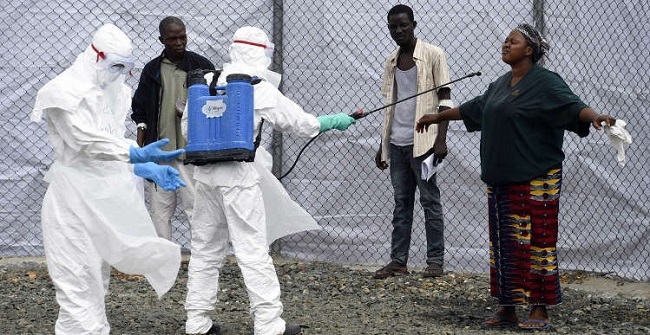
Salako emphasised the importance of individual responsibility in preventing and controlling infectious diseases, urging Nigerians to adopt healthy practices and cooperate with public health officials to contain Ebola.
“Let me emphasise that self-care is also important in the prevention and control of infectious diseases, including Ebola viral disease, which Nigeria is currently working hard to contain, following one imported case that was reported.
“I therefore use this opportunity to call on the Nigerian public to observe self-care, like hand hygiene, appropriate disinfection, and cooperate fully with public health officials to contain the reported Ebola in this case,” he said.
He said self-care empowered people with the knowledge, skills and tools to take charge of their health while extending healthcare beyond hospitals and clinics into homes, workplaces and communities.
According to him, self-care complemented professional healthcare rather than replacing it or absolving the government of its responsibility to provide accessible, affordable and quality health services.
“As government, therefore, we will continue to promote investment in health facilities, skilled personnel, essential medicines, and functional referral systems,” he said.
Salako said self-care could strengthen primary healthcare, advance universal health coverage and improve outcomes in maternal and reproductive health, non-communicable diseases and mental well-being.
He explained that “Test” encouraged people to establish their health status, “Track” promoted consistent monitoring of health indicators and treatment adherence, while “Thrive” represented the goal of healthier individuals, stronger families and more resilient communities.
The minister urged state governments to integrate evidence-based self-care into health policies and programmes, while calling on healthcare professionals to guide its safe use and development partners to support sustainable financing and capacity development.
The Special Adviser to the President on Health, Dr. Salma Anas, said self-care should be promoted alongside effective regulation, quality services and accountability to prevent unsafe practices and ensure people received appropriate support.
Anas said the Federal Government remained committed to achieving universal health coverage without leaving anyone behind while maintaining the quality of healthcare services.


She cited contraceptive self-injection as an example of an intervention that promoted independence and autonomy in family planning.
The presidential adviser cautioned against interpreting self-care as government withdrawal from its healthcare responsibilities.
“You can take responsibility, because you have to acknowledge you are sick and acknowledge what you can do within the comfort of your home before you even reach the health services,” she said.
Anas also emphasised the importance of community participation, appropriate regulation and accountability in implementing self-care interventions.
Dr. Mary Brantuo, Coordinator, Strategic Health Policy and Planning at the World Health Organisation (WHO), described the conference as a demonstration of Nigeria’s commitment to empowering people to take greater control of their health.
She said self-care could help address gaps in access to services amid persistent challenges involving maternal and child mortality, unmet family planning needs, infectious diseases and non-communicable diseases.
“Self-care is not about replacing health systems, but is rather about extending the reach of health systems and empowering people with the knowledge, tools, and confidence they need to make informed decisions about their health,” Brantuo said.
She identified HIV self-testing, contraceptive self-injection and self-monitoring as interventions that had demonstrated their value and acceptability in Nigerian communities.
The Group Chief Executive Officer of the Society for Family Health (SFH), Dr. Omokhudu Idogho, said self-care required accurate information, quality products, affordable services and access to professional care.
Represented by Mr. Emeka Okafor, Group Director, Population, Health and Community Systems, Donor-Funded Portfolio Directorate, Idogho said people made health decisions in their homes, pharmacies and communities.
He added that people also made health decisions through their phones, making reliable information and appropriate services in those spaces essential.
Idogho said SFH was using telemedicine through its Access Care initiative to bring professional advice closer to people facing distance, transport costs, time constraints and privacy concerns.
He added that the organisation’s Co-Elevate initiative highlighted the need for investment and partnerships to make technology-driven self-care services sustainable and accessible to underserved populations.
Idogho said data should be used to assess who accessed self-care services, who remained excluded and whether users received appropriate follow-up care.
Self-care is the ability of individuals, families and communities to promote health, prevent disease, maintain health and cope with illness and disability, with or without support from a healthcare provider.
Self-care interventions include contraceptive self-injection, HIV self-testing, human papillomavirus self-sampling, blood pressure checks and appropriate self-monitoring of health conditions.
Similarly, the National Orientation Agency (NOA), Borno State Directorate, has urged residents to remain calm and observe preventive measures following reports of an Ebola outbreak in Abuja.
The agency made the call in a statement signed by its Head of Communication and Media, Mr. Danladi Emmanuel, on Wednesday, October 20, in Maiduguri.
The State Director, Mr/ Michael Bdliya, expressed concern over the potential spread of the disease and stressed the need for proactive community action to prevent transmission.
Bdliya directed Community Mobilisation Officers in the 27 Local Government Areas (LGAs) of Borno to commence intensive sensitisation campaigns.
He instructed the officers to collaborate with traditional and religious leaders, Community Development Associations, schools, markets and health workers to disseminate accurate information.
The agency advised residents to maintain personal and environmental hygiene, wash their hands regularly with soap and clean water, and use alcohol-based sanitisers.
It also urged proper waste disposal, avoidance of contact with suspected cases, and prompt reporting of symptoms, including fever, body weakness, vomiting and bleeding, to health facilities.
The director cautioned against rumours and misinformation, urging the public to rely on credible information from relevant health authorities.
He said NOA was collaborating with the Nigeria Centre for Disease Control and Prevention and the State Ministry of Health to monitor developments and provide timely updates.
Bdliya urged citizens to support government efforts through vigilance and compliance with preventive measures.
The Nigerian Medical Association, Federal Capital Territory branch (NMA-FCT), has urged residents to remain calm and vigilant following reports of an Ebola case in Abuja.
The Chairman of NMA-FCT, Dr. George Ebong, made the call in a statement jointly signed by the association’s Secretary, Dr. Arome Adejo, and Public Relations Officer, Dr. Simon Ogenyi.
The statement, made available to newsmen in Abuja on Wednesday, commended the government for its proactive response and continued adherence to guidance from the Nigeria Centre for Disease Control and Prevention (NCDC) and FCT health authorities.
It urged doctors and the general public to remain calm, vigilant and rely only on verified information from official public health sources.
According to the statement, the safety of healthcare workers and the public remains the association’s utmost priority.
The NMA-FCT advised healthcare workers and health facilities to strictly observe standard Infection Prevention and Control (IPC) measures, including proper hand hygiene and appropriate use of Personal Protective Equipment (PPE).
It urged health facilities to ensure adequate supplies of PPE and provide training on correct donning, doffing and disposal procedures.
The association also advised healthcare workers to maintain a high index of suspicion for symptoms compatible with Ebola Virus Disease and relevant epidemiological history, and promptly isolate and report suspected cases in line with established protocols.
“No healthcare worker should undertake high-risk procedures or attend to suspected cases without adequate PPE, training, and safety measures.
“All public and private healthcare facilities in the FCT should strengthen emergency preparedness, ensure availability of IPC supplies, and establish clear pathways for safe referral,” the statement said.
The association urged members of the public to practise basic hygiene and appealed to the media to avoid sensationalism and the spread of unverified information that could cause panic and stigmatisation.
It particularly cautioned against disclosing patient-identifying details, urging responsible reporting that protects privacy while ensuring accurate public health information reached residents.
The NMA-FCT called on relevant government authorities and hospital managements to urgently provide risk assessments, operational guidelines, adequate PPE and necessary support for frontline healthcare workers.
“No healthcare worker should face preventable occupational risk.
“Members experiencing PPE shortages, unsafe working conditions, or occupational exposure should immediately notify their facility IPC focal persons and relevant public health authorities. They may escalate such concerns to NMA-FCT for advocacy and intervention,” it stated.
The statement said the association would continue to monitor the situation through official channels and engage relevant authorities to protect its members and the public.
It commended healthcare workers in the FCT for their continued dedication and professionalism.
The National Emergency Management Agency (NEMA) has urged Nigerians to remain calm and vigilant following confirmation of an Ebola Virus Disease case in the Federal Capital Territory (FCT).
NEMA Director-General, Mrs Zubaida Umar, made the call in a statement she personally signed on Wednesday in Abuja.
She said the Federal Ministry of Health and Social Welfare and the Nigeria Centre for Disease Control and Prevention (NCDC), working with the FCT Health Services Secretariat, were leading the national response.
According to her, the confirmed patient has been isolated and is receiving medical care, while contact tracing and surveillance are ongoing.
“NEMA recognises and supports the leadership of these health authorities.
“Our role is to remain ready to provide appropriate coordination and emergency support as may be required,” she said.
Umar said the most important message to Nigerians at this time was to remain calm, vigilant and follow official health advice.
She emphasised that there was no need for panic.
The NEMA director-general explained that Ebola spreads mainly through direct contact with the blood or bodily fluids of an infected person showing symptoms or through contaminated materials.
She advised Nigerians to wash their hands frequently with soap and running water or use alcohol-based hand sanitisers.
Umar also advised Nigerians to avoid direct contact with the blood and bodily fluids of anyone suspected of having Ebola and unsafe contact with wild animals.
She urged the public not to touch or prepare the bodies of people suspected of dying from Ebola, noting that trained health authorities should manage such burials.
“If you develop fever, severe weakness, headache, vomiting or diarrhoea following possible exposure, seek medical guidance immediately,” she said.
Umar appealed to Nigerians to cooperate fully with contact-tracing teams and avoid rumours, misinformation and stigmatisation.
The National Biosafety Management Agency (NBMA) has urged Nigerians to remain calm, vigilant and rely on verified public health information following the confirmation of an imported case of Ebola virus in the Federal Capital Territory (FCT).
Dr. Fatima Suleiman-Zuntu, Director-General (D-G) of the NBMA, gave the advice in a statement issued on Wednesday in Abuja.
She reaffirmed NBMA’s commitment to supporting national containment measures through biosafety and biosecurity expertise, in accordance with its statutory mandate, as required by relevant response teams.
Suleiman-Zuntu recalled Nigeria’s successful containment of Ebola in 2014, stressing that preparedness, coordinated action, scientific evidence and public cooperation remained essential in preventing further transmission.
She said the NBMA was ready to deploy its biosafety experts to support the NCDC and other relevant response teams in strengthening containment and infection prevention efforts.
The director-general advised Nigerians to follow official health advisories, practise proper hand hygiene, avoid contact with sick persons’ body fluids and refrain from handling bodies of suspected Ebola victims.
She also urged the public to avoid spreading unverified information that could trigger unnecessary panic, while encouraging prompt consultation with health authorities when symptoms associated with Ebola develop.
Suleiman-Zuntu advised anyone experiencing symptoms, particularly after contact with suspected or confirmed cases or travel to affected areas, to seek guidance from public health authorities promptly, in order to safeguard public health and the environment.
She urged Nigerians to comply with health officials’ instructions and cooperate with contact-tracing activities to support efforts to identify exposed persons and prevent further spread of the disease.
The Senate on Wednesday urged the federal government to release emergency funds from the Service-Wide Vote to tackle the Ebola outbreak and prevent further spread.
The resolution followed deliberations on a motion sponsored by Sen. Francis Ade Faduyile (APC-Ondo South) during plenary on the urgent need for mandatory health screening at Nigeria’s international airports, seaports and designated land borders.
Faduyile said the reported outbreak of Ebola in the Democratic Republic of the Congo and its spread to other countries required immediate preventive measures.
He called for compulsory health declaration forms, temperature checks and symptom screening for all arriving international passengers, irrespective of nationality or country of departure.
The senator also proposed enhanced screening for travellers who had visited or transited affected areas within the preceding 21 days, alongside exit screening during declared public health emergencies.
He urged the federal government to equip entry points with trained port health officers, thermal scanners, protective equipment and isolation rooms.
Faduyile further called for the readiness of isolation and treatment centres across the 36 states and the Federal Capital Territory.
He also urged the National Assembly to modernise the Quarantine Act of 1926 and ensure adequate funding for the Nigeria Centre for Disease Control and Prevention (NCDC) and Port Health Services.
Seconding the motion, Sen. Ekong Sampson (APC Akwa Ibom South) described Ebola as a deadly threat that required urgent action, warning that a single case could trigger widespread transmission if not contained.
Sampson said Nigeria must take its healthcare system seriously and respond swiftly to protect citizens from the disease.
Similarly, Sen. Adamu Aliero (APC Kebbi Central) said the Federal Ministry of Health had announced measures to address the threat through the NCDC.
During consideration of the funding prayer, Aliero argued that the Senate should not rely solely on the 2027 budget because the outbreak required immediate intervention.
He proposed that the Federal Ministry of Finance and the Federal Ministry of Budget and Economic Planning should make funds available to the relevant agencies.
He stressed that waiting for a supplementary budget or the implementation of the 2027 budget could cause unacceptable delays.
He therefore proposed that emergency funds should be sourced from the Service-Wide Vote to address the outbreak.
Aliero maintained that the immediate priority was to ensure that the NCDC and Port Health Services had the resources required to contain the disease.
The senate, therefore, adopted the motion and urged the federal government to source funds from the Service-Wide-Vote through the Ministries of Finance and Budget to urgently tackle the disease.
The senate also called for enhanced screening of travellers who had visited or transited affected areas within the preceding 21 days, regardless of nationality.
On his part, Senate President, Godswill Akpabio, expressed concern over reports that a traveller who entered Nigeria without adequate screening at the point of arrival.
Akpabio said the incident raised questions about the effectiveness of screening arrangements at the country’s entry points.
He recalled Nigeria’s experience during the 2014 Ebola outbreak, warning that a failure to detect an infected traveler early could expose many people to infection.
The Senate President called for comprehensive screening of all arriving international passengers, irrespective of their countries of departure, noting that infected persons could travel through third countries.
He also urged the Senate Committee on Judiciary to engage relevant health authorities immediately to review the Quarantine Act.
The senate urged Nigerians and relevant authorities to remain vigilant and support efforts to prevent the spread of Ebola.
Meanwhile, the Niger State Ministry of Health has activated the Public Health Emergency Operations Centre (PHEOC) following a confirmed outbreak of Ebola Virus Disease (EVD) in the Federal Capital Territory (FCT), Abuja.
The state Commissioner for Health, Dr. Murtala Muhammad-Bagana, made the disclosure in a statement made available on Wednesday in Minna.
He emphasised that the state’s proactive measures are aimed at reinforcing surveillance, early detection, and rapid response capacity.
The commissioner said no case of Ebola has been detected in the state, but there was a need to take precautionary measures against transmission.
According to him, the emergency posture followed the Federal Government’s confirmation of an identified Ebola case involving a traveler who recently arrived from Uganda.
Mohammed-Bagana noted that Niger’s high level of vigilance was critical due to the frequent transit and trade volume between the state and neighbouring Abuja.
“To ensure state-wide readiness, the ministry is actively collaborating with the Nigeria Centre for Disease Control and Prevention (NCDC), the World Health Organisation (WHO), and other key international partners,“ he said.
According to him, all public and private health facilities across the state have been directed to immediately report any suspected case.
He disclosed that Local Government Disease Surveillance and Notification Officers (DSNOs) and response teams have been deployed to bolster contact tracing, clinical assessment, and safe referral protocols.
“Infection Prevention and Control (IPC) measures have been reinforced across all health centres to protect frontline workers and patients,” he stressed.
The commissioner appealed to the public to remain calm, avoid panic, and strictly practice public hygiene, particularly frequent handwashing with soap and water or alcohol-based hand sanitisers.
He advised residents to avoid direct contact with the blood or body fluids of any individual exhibiting symptoms.
He also warned residents to refrain from spreading unverified rumors or stigmatising individuals being evaluated by public health officials.
The commissioner advised anyone exhibiting symptoms or suspecting potential exposure to immediately self-isolate and contact public health authorities through the emergency hotlines before visiting a medical facility.
The Kano State Centre for Disease Control (KNCDC) has activated a Public Health Emergency Operations Centre (PHEOC), following the Federal Government’s announcement of an Ebola case in the Federal Capital Territory (FCT),
This is contained in a public advisory by the centre’s Director-General, Prof. Muhammad Adamu-Abbas, in Kano on Tuesday.
Adamu-Abbas said the centre is fully ready and on high alert for any eventualities.
“The Federal Government confirmed one case of imported Ebola in Abuja. The patient is already isolated and receiving care. Forty-four people who had close contact with the patient have been found and are being monitored every day.
“Here in Kano, the KNCDC Public Health Emergency Operations Centre (PHEOC) is on high alert. There is no need to panic, but we must all be careful and act quickly,” the Director-General said.
He called on residents to be calm while cautioning them to also abide by mandatory protocols to avoid occurrence of the outbreak or further spread of the disease.
He listed the mandatory protocols to include not going to a pharmacy, chemist, or local drug shop to self-medicate, not boarding public transportation (buses, taxis, keke, Adaidaita) to minimise exposing others while individuals who came down with the infection must be immediately isolated in a private room.
He said the signs and symptoms of ebola could include sudden high fever, extreme weakness, severe headache, body and joint pains, sore throat, vomiting, diarrhoea, stomach pain, and unexplained bleeding.
“Ebola infection occurs if the blood or body fluid of an infected person touches the eyes, nose, mouth or a wound on the skin. It can also be contracted through touching clothes, bedding or surfaces that have a sick person’s fluid.
“For prevention, wash your hands always with soap and running water for at least 20 seconds. Do not touch sick people or their belongings. Do not touch dead bodies.
“Do not eat bushmeat. If you must eat meat, buy from clean markets and cook it very well. Clean your house, especially door handles, phones and tables with disinfectant or bleach.
“If you have fever and any of the danger signs and you have travelled or met someone who is sick, do not go to a chemist or stay at home.
“Call health officials immediately on KNCDC 07077974504, [email protected], kano_cde on facebook, X. Instagram or call your LGA Disease Surveillance and Notification Officer (DSNO) or report to any health facility.
In a related development, the director-general also advised all public, private, faith-based and military facilities in the state to be on the look-out.
He also directed them to ensure strict compliance to the Infection Prevention and Control, IPC while warning them against compromise on IPC enforcement to protect the patients and the health workers.
The Ogun State Government says it has heightened surveillance, following the Federal Government’s announcement of an Ebola case in the Federal Capital Territory (FCT).
Dr. Tomi Coker, Commissioner for Health. disclosed this in a statement on Wednesday in Abeokuta.
Coker assured residents that no case had been recorded in the state as at Wednesday.
The commissioner urged residents to remain vigilant, observe preventive measures and avoid panic or the spread of unverified information.
She noted that Ogun had been on heightened alert since the declaration of Ebola in the Democratic Republic of the Congo (DRC) in March.
According to her, 111 persons of interest, comprising passengers from high-risk countries, had been identified, monitored and subsequently discharged from follow-up after completing the required surveillance period.
Coker said the state’s Public Health Emergency Operations Centre was coordinating preparedness and response activities to ensure the prompt identification, reporting and management of any suspected case.
She added that the government had strengthened the capacity of Disease Surveillance and Notification Officers, port health officers, health educators, clinicians and community informants through training on appropriate response procedures.
The commissioner said relevant national guidelines, protocols and resource materials had been adapted and deployed to guide the state’s response.
“Public sensitisation and infection prevention and control measures in healthcare facilities are being intensified.
“Residents are advised to remain calm and obtain information from official public health authorities.
“Ebola is a serious disease that can cause severe illness and death, its early symptoms may resemble those of other common illnesses.
“The symptoms include fever, severe weakness, fatigue, headache, muscle pain, sore throat, vomiting, diarrhoea and abdominal pain. Unexplained bleeding or bruising may also occur in some cases,” she said.
She advised residents to wash their hands regularly with soap and running water and use alcohol-based hand sanitiser when soap and water are unavailable.
The commissioner called on residents to cooperate with surveillance and follow-up teams, provide accurate information when contacted by public health officials and comply with the guidance issued.
She said the Ogun government would continue to work with the Federal Ministry of Health and Social Welfare, the Nigeria Centre for Disease Control and Prevention (NCDC) to monitor developments and implement appropriate measures.
The commissioner called on healthcare workers in public and private facilities to maintain a high index of suspicion, promptly identify and isolate suspected cases and observe strict infection prevention and control protocols.
She provided the contact number of the state Epidemiologist as 08084250881 and the NCDC toll-free line as 6232 for reporting suspected cases and obtaining public health guidance.
Coker emphasised that early detection, timely reporting and cooperation among residents, healthcare workers and public health authorities were essential to preventing the spread of the disease.
The Enugu State Government says it has strengthened disease surveillance and placed health officials on alert across the state’s 17 local government areas following the confirmation of an Ebola case in Abuja.
The Commissioner for Health, Prof. George Ugwu, said this on Wednesday in Enugu at a news conference on the state government’s response to the confirmed Ebola case in Abuja.
Ugwu said the government had reactivated and strengthened the Enugu State Public Health Emergency Operations Centre (PHEOC) to coordinate preparedness, surveillance and response activities following the confirmation.
“Specifically, the state has intensified disease surveillance across its 17 Local Government Areas and strengthened coordination with relevant agencies and partners.
“Surveillance activities around the Akanu Ibiam International Airport are also being strengthened in collaboration with Port Health Services and other relevant stakeholders.
“The state is further maintaining its Rapid Response Teams and relevant technical personnel on standby, while preparedness measures are being reviewed to ensure that the state is able to respond promptly should a suspected case be identified.
“Public awareness and risk communication activities are also being strengthened to ensure that members of the public receive accurate and timely information,” Ugwu, a member of the Presidential Committee on Ebola Prevention, said.
He said the Ministry of Health and Social Welfare would continue to work closely with the Federal Ministry of Health and Social Welfare, its agencies and other partners to ensure effective preparedness, early detection, appropriate response and timely communication.
The commissioner said the government considered residents’ health security a major priority and had taken precautionary measures without creating unnecessary fear or panic.
He urged health workers to maintain a high index of suspicion, strictly observe infection prevention and control measures, use appropriate protective equipment and promptly report suspected cases through established channels.
Ugwu said the government would continue to provide the necessary support and guidance to ensure healthcare workers’ safety and an effective response.
“To the good people of Enugu State, I urge you to remain calm and vigilant. There is currently no confirmed case of Ebola in Enugu State, and the measures being taken are precautionary.
“The public is advised to maintain good hand hygiene, avoid contact with the body fluids of sick persons, seek medical attention promptly when necessary, and report suspected sick person,” he said.
He urged public and private health facilities across the state to remain on heightened alert and maintain a high index of suspicion, particularly among people with relevant travel or exposure histories.
“All suspected cases should be promptly isolated and immediately reported to the appropriate Disease Surveillance and Notification Officer (DSNO) or the State Public Health Emergency Operations Centre, while strict infection prevention and control measures are observed.
“I urge all health facilities to cooperate fully with the Enugu State Ministry of Health and other response agencies, as early detection and prompt notification are critical to preventing transmission,” he said.
The commissioner recalled that the state government, through the Ministry of Health, had undertaken Ebola prevention and preparedness measures at Akanu Ibiam International Airport, Enugu, an international point of entry, for several months.
He said the ongoing preventive measures at the airport were being implemented in collaboration with the Nigeria Centre for Disease Control and Prevention (NCDC), the Federal Ministry of Health and Social Welfare, Port Health Services, airport authorities and other relevant partners.
The Minister of Health and Social Welfare, Prof. Muhammad Pate, in a statement on Tuesday, said the woman is currently in isolation and receiving medical care.
Pate said the ministry, the Nigeria Centre for Disease Control and Prevention, and the FCT Health Services Secretariat are working with other relevant authorities to contain the infection and prevent further spread.
He said public health teams had begun tracing the 44 identified contacts and were working to identify and monitor others who might have been exposed, including healthcare workers, patients, caregivers and travel contacts.
Surveillance, he said, has also been intensified, while the hospital where the patient was treated is receiving immediate support to strengthen infection prevention and control measures.
The government urged public and private healthcare facilities across the country to remain on high alert.
The federal government also directed healthcare workers to maintain a high index of suspicion, promptly identify and isolate suspected cases, observe strict infection prevention and control protocols, and immediately report suspected infections to public health authorities.
The Africa Centres for Disease Control and Prevention (Africa CDC) has called for greater global solidarity and international support to contain the rapidly expanding Bundibugyo Ebola outbreak.
The urgent call came as the Nigerian government on Tuesday confirmed the first Ebola case in the country’s capital, Abuja, following laboratory tests.
According to Ali Pate, coordinating minister of health and social welfare, a woman who recently arrived in Nigeria on an international flight from Uganda is now in isolation and receiving medical care, amid efforts to prevent community transmission of the hemorrhagic fever.
Nigeria became the fourth on the continent to record a confirmed case, as the deadly virus has now affected three African countries, including the Democratic Republic of the Congo in Central Africa, and Uganda and Kenya.
Africa CDC Director-General, Jean Kaseya, in a statement issued late Tuesday warned: “We cannot allow this outbreak to spread to more countries or continue for another year.”
He noted that the outbreak has become the most geographically widespread Ebola outbreak in history.
Kaseya said that the African Union’s specialised continental public health agency has already begun mobilising support for Nigeria, while intensifying its response in the DRC and Kenya, and maintaining heightened vigilance in Uganda.
“Every day of delay costs lives. Africa’s health security is global health security. Stopping Ebola in Africa today means protecting the world. Nigeria has our full solidarity. Together, we must defeat this outbreak,” Kaseya added.
He said that the Africa CDC warned of the outbreak’s regional dimension and implications when it was declared a public health emergency of continental security in May this year; he stressed that “with mortality approaching 50 per cent in DRC, we face an extremely serious threat.”
“My appeal to the international community is urgent: act now. We need immediate, flexible financing, medical supplies, diagnostics, trained responders and stronger community-based surveillance,” Kaseya said.
By Folasade Akpan, Ahmed Kaigama, Aderogba George, Nefishetu Yakubu, Abubakar Akote Yabagi, Bashir Bello, Stanley Nwanosike, Abiodun Lawal, Philomina Attah
