Education
Flooding: Group conducts week-long environmental sanitation, de-silting in Jigawa – EnviroNews
– Advertisement –
The Jigawa State branch of the Jama’atu Nasril Islam (JNI) says it has concluded its week-long environmental and de-silting of drains in different parts of the state.
The group’s Secretary, Malam Muhammad Babangida, disclosed this in an interview in Dutse, the state capital, on Friday, July 3, 2026.

Babangida said the exercise was conducted throughout the 27 Local Government Areas (LGAs) of the state between June 21 and June 27.
He explained that the group voluntarily conducted the exercise as part of its contribution in complementing governments’ efforts towards reducing the risk of the disaster.
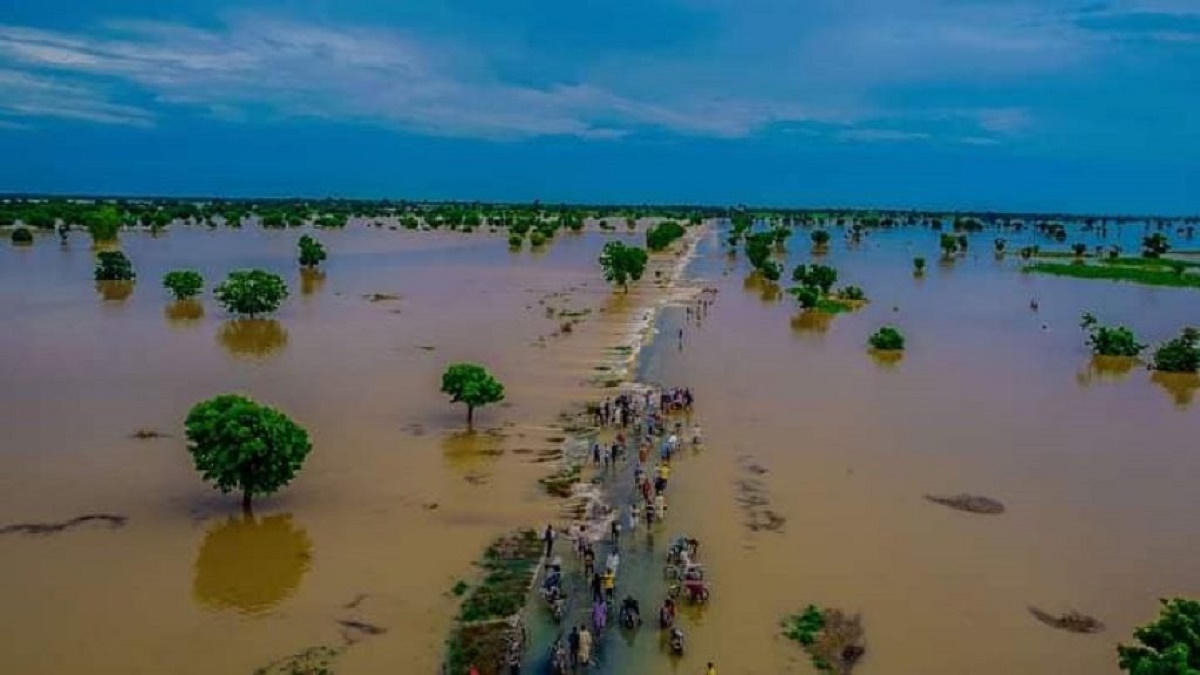
The National Emergency Management Agency (NEMA) listed 17 LGAs and 148 communities of the state as moderate flood risk areas in the 2026 rainy season outlook.
Recently, too, NEMA, in collaboration with the state government, engaged stakeholders and launched the 2026 National Preparedness and Response Campaign on Flood Disaster and Related Hazards in the state.
Babangida explained that the cleanup was supported by the 27 Local Government Councils, community leaders and residents.
According to him, the exercise involved environmental sanitation, drains and other waterway clearance.
“The exercise was aimed at mitigating and reducing the predicted flood risk during this year’s rainy season, promoting hygiene, public health and creating public awareness on environmental protection.
“It was also to complement the government’s efforts on flood mitigation in the state.
“And the activities carried out during the exercise included the de-sliting of blocked drainages, waterways, evacuation of refuse from public spaces and water channels,” Babangida said.
He further said that the exercise, which recorded high turnout of volunteers, led to the opening of blocked water channels and raised awareness among community members.
He said that the group used the opportunity to emphasise the importance of cleanliness and sanitation as a religious obligation as well as individual roles in preventing flooding and other disease outbreaks.


Babangida, however, identified inadequate working materials, fatigue, bureaucracy and delays in the response by most LGAs as some of the challenges experienced during the exercise.
“Notwithstanding the challenges, JNI appreciated local government councils and community leaders, who provided support and mobilisation in their respective areas to ensure the success of the exercise,” he said.
By Muhammad Nasir Bashir