Education
FSU researcher leads NIH-funded effort to raise awareness of alcohol-related breast cancer risk

Every day, millions of young women use social media to learn about health and wellness, yet few know that alcohol consumption increases the risk of breast cancer.
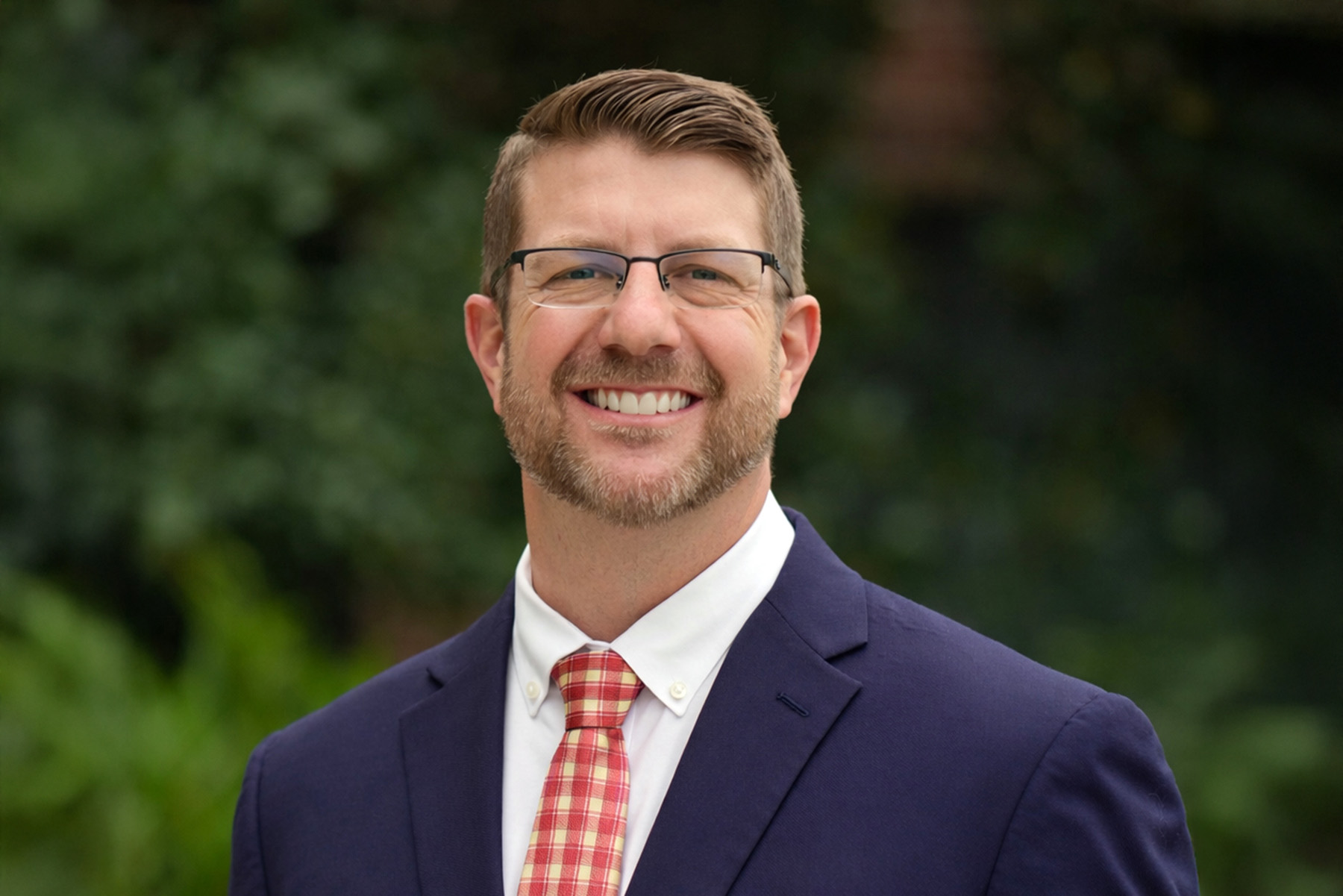
To help close this awareness gap, Russell Clayton, the Distinguished and Endowed Provost McKenzie Professor, professor in FSU’s School of Communication and director of the Cognition and Emotion Lab, is collaborating on a five-year study with researchers at The Ohio State University Comprehensive Cancer Center – James, and UMass Chan Medical School.
Funded by a $3.1 million grant from the National Institutes of Health’s National Cancer Institute (NIH/NCI), the team is working to identify the most effective social media message strategies for raising awareness about the link between alcohol consumption and breast cancer risk among women ages 18 to 25.
“Drinking alcohol during young adulthood is associated with benign breast disease, which increases the risk of future breast cancer, as well as a higher risk of developing breast cancer before menopause,” Clayton said. “Despite these risks, fewer than one-third of young adult women are aware that alcohol consumption is a risk factor for breast cancer.”
Although alcohol is an established risk factor for breast cancer, public awareness of that link remains low. Compared with other modifiable cancer risk factors, such as tobacco use, alcohol has historically received less attention in cancer prevention messaging.

Because young adulthood is both a biologically vulnerable period for breast development and a time when alcohol use is common, researchers and public health agencies are increasingly focused on improving awareness of alcohol-related breast cancer risk.
“Social media, particularly Instagram and TikTok, provide a unique opportunity to reach young women with evidence-based health information at scale. Through this project, we will identify which social media message characteristics are most effective at increasing awareness of alcohol-related breast cancer risk and encouraging informed health decisions.”
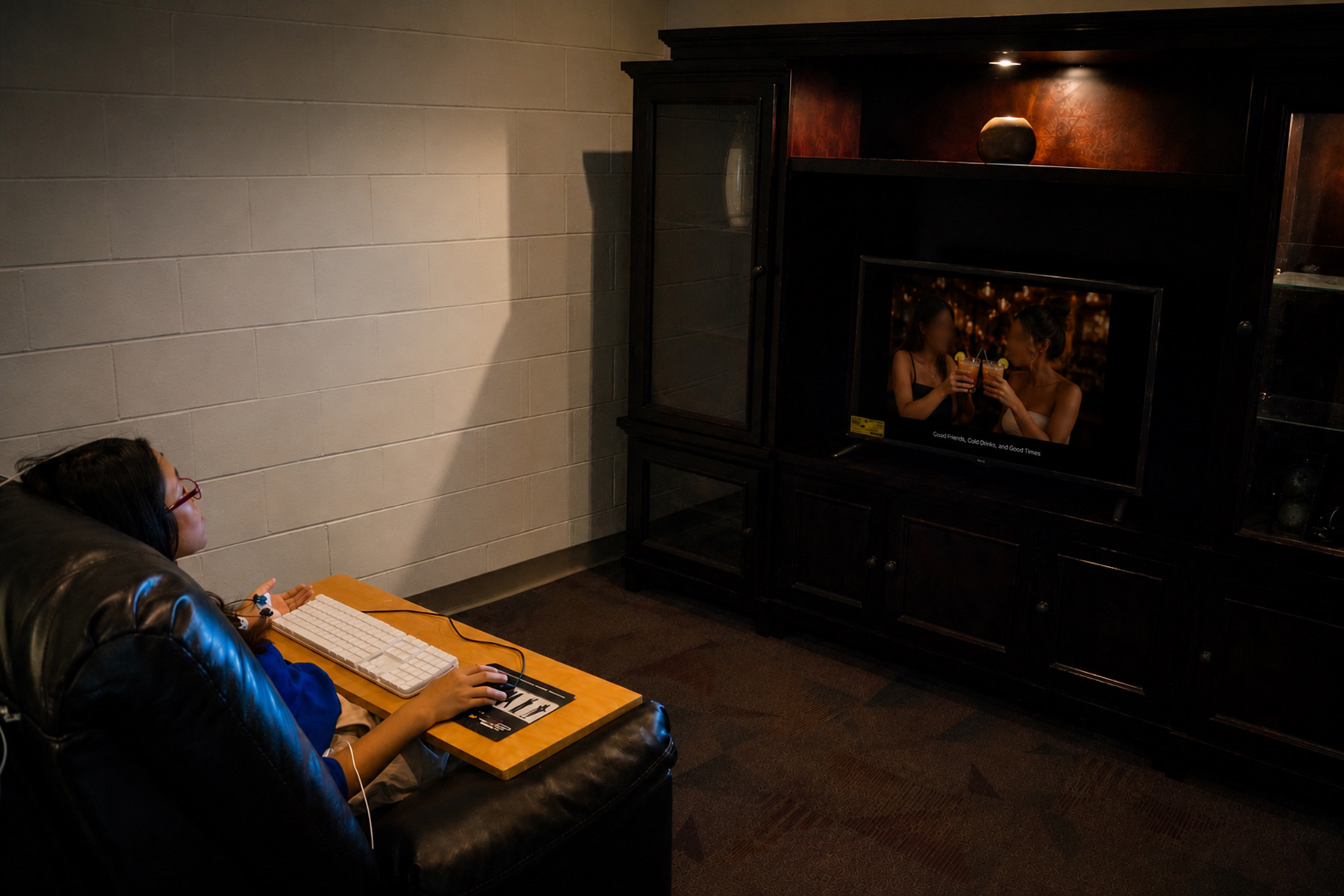
The project will begin with a national online study examining how different social media messages about alcohol-related breast cancer risk influence young women’s responses. Clayton will then lead the laboratory phase at FSU’s Cognition and Emotion Lab, where researchers will combine self-report assessments and psychophysiological measures to better understand young women’s cognitive and emotional responses.
During the multi-site laboratory phase of the project, participants will view a simulated social media feed while researchers assess their responses to breast cancer prevention messages. Using eye-tracking technology, Clayton will examine which message features capture and hold participants’ visual attention, while measures of heart rate and skin conductance will provide objective indicators of participants’ emotional and cognitive responses to the messages.
Clayton and collaborators will then determine whether participants’ psychophysiological and self-reported responses differ by baseline alcohol use, informing whether digital health messages should be tailored to different drinking patterns.
“Social media, particularly Instagram and TikTok, provide a unique opportunity to reach young women with evidence-based health information at scale. Through this project, we will identify which social media message characteristics are most effective at increasing awareness of alcohol-related breast cancer risk and encouraging informed health decisions.”
— Russell Clayton, School of Communication professor and Cognition and Emotion Lab director
The study will generate evidence to help public health agencies design more effective digital communication strategies for reducing alcohol-related breast cancer risk among young women.
“This project will advance cancer communication science by identifying the social media message strategies that most effectively communicate the link between alcohol use and breast cancer risk,” Clayton said. “The findings will help public health agencies, breast cancer prevention organizations and policymakers strengthen future public health campaigns and ultimately reduce alcohol-related breast cancer risk.”
The five-year project brings together researchers from Florida State University, The Ohio State University Comprehensive Cancer Center – James, and UMass Chan Medical School with expertise in health communication, cancer prevention, biostatistics and behavioral science to develop more effective strategies for reducing alcohol-related breast cancer risk among young women.
The collaborative research team is led by multiple principal investigators — Russell Clayton at FSU, Darren Mays at Ohio State and Elise Stevens at UMass Chan, alongside Ohio State co-investigators Abigail Shoben and Margaret Gatti-Mays.


Clayton also acknowledges the support of Florida State’s College of Communication and Information, including Dean Michelle Kazmer, School of Communication Director Patrick Merle and grant specialist Cherie Pagan, whose leadership and administrative support were instrumental in securing the award.
To learn more about the FSU Cognition and Emotion Lab, visit the FSU Cognition and Emotion Lab webpage.
Optimizing Social Media Messages Targeting Young Adult Women About the Risks of Breast Cancer from Alcohol Consumption:
This multi-institutional project, is funded by a five-year Research Project Grant (R01) from the National Institutes of Health and the National Cancer Institute (NIH/NCI), expected to total $3,113,767.