Education
FSU sports scientist shares the keys to staying fit in your 40s

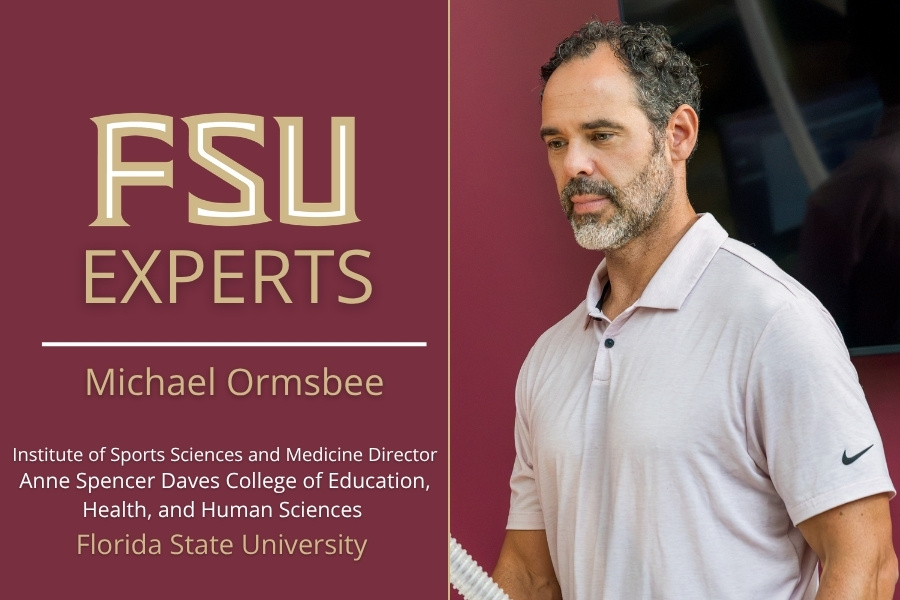
Staying fit can become more challenging as you enter your 40s, when natural biological changes begin to affect muscle mass, metabolism and more.
A massive Swedish study that tracked participants for nearly 50 years found that fitness, strength and muscle endurance begin declining around age 35. But the study also found that adults who became active later in life improved their physical performance by 10%.
Michael Ormsbee, director of the Florida State University Institute of Sports Sciences and Medicine (ISSM), is one of the nation’s top nutrition experts. He has appeared in numerous interviews sharing his expertise on topics that range from nighttime pre-sleep feeding strategies, the importance of protein, maximizing human performance, metabolic health and more.
Ormsbee says people don’t need to abandon workout routines that served them well in their 20s and 30s. They simply need to adjust them as they age.
“I don’t think you need a completely different playbook. You just need to be a little smarter about how you apply it,” Ormsbee said. “One of the biggest mistakes people make is thinking they must train harder as they get older. In my experience, most people in their 40s are not overtrained. They’re under-recovered.”
The key, Ormsbee said, isn’t doing more. It’s recovering better and being more intentional about the habits that support long-term strength and health.
“Recovery starts to matter more,” Ormsbee emphasized. “Your body can absolutely adapt and get stronger, but you must give it the resources to do that. The fundamentals really don’t change. Strength training is still one of the best things you can do. Aerobic fitness is still incredibly important. Protein still matters. Sleep is still king.”
Media interested in interviewing ISSM Director Michael Ormsbee about ways to stay fit through your 40s and later may reach out to him via email at mormsbee@fsu.edu.
Does your body require a different type of training/dietary regimen as you age in your 40s?
What changes is how intentional you must be. If you’re sleeping six hours a night, skimping on protein, always rushing from one thing to the next, and trying to train like you did at 25, eventually that’s going to catch up with you. I’d rather see someone train consistently, recover well and stay healthy for years than go all out for a few months and end up injured or burned out.
What would be three of the most critical pieces of advice for those looking to stay in shape and live a healthy lifestyle in their 40s?
First, make recovery part of the plan. Exercise is the stimulus. Recovery is where your body actually adapts. Everyone wants to know about the latest recovery gadget, but the biggest wins are still the basics. Get enough sleep. Eat enough calories and protein. Stay hydrated. Plan recovery weeks when needed. Keep moving on your off days. Manage stress. Those simple habits consistently outperform the flashy stuff.
Second, don’t stop lifting weights. As we get older, maintaining muscle becomes one of the most important things we can do for our health. Muscle supports metabolism, bone health, physical function, and helps you stay active as you age. You don’t have to train like a competitive athlete, but you should challenge your muscles a few times each week. It’s one of the best investments you can make in your future. You don’t stop moving because you get old, you get old because you stop moving.
Third, stop chasing perfection and focus on consistency. Health is built from what you do most of the time, not what you do once in a while. You don’t need the perfect workout or the perfect diet. You need habits you can stick with for years. A few quality workouts each week, enough protein, good sleep, and staying active will beat the all-or-nothing approach every time.

