Education
Group advocates community-led sanitation, waste management in Kaduna – EnviroNews
– Advertisement –
An NGO, Centre for Water and Environment Development (CWED), has advocated community-led sanitation and sustainable waste management in Ungwan Baro community, Kaduna State.
Programme Officer of the organisation, Ms. Lydia Sale, said this on Friday, September 18, 2026, in Kaduna at a sensitisation workshop and community clean-up exercise organised to commemorate World Cleanup Day 2026.

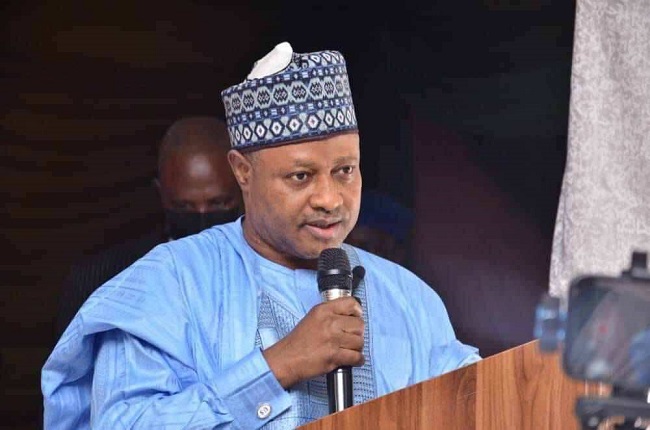
The programme has “From Clean Plates to Clean Cities” as its theme.
It focuses on cleaner communities through sanitation, waste management, composting and environmental responsibility.
Sale said World Cleanup Day, marked annually on Sept. 20, provided an opportunity to sensitise communities on the health and environmental risks associated with indiscriminate waste disposal.
She said CWED was using the occasion to promote Urban Community-Led Total Sanitation and compost making as practical approaches to sustainable waste management.
According to her, compost making provides a sustainable way of managing food waste, while reducing environmental pollution.
She said Ungwan Baro was selected for the intervention, following observations of sanitation challenges in the community, including pollution along roads, blocked drainages and open septic tanks.
“We have seen quite a lot of gaps in waste management through observations across the community, particularly road pollution along the main road and blocked drainages.
“These conditions have the potential to cause pollution and expose residents to diseases if appropriate sanitation measures are not adopted,” she said.
She said the intervention was aimed at helping residents understand the importance of maintaining clean surroundings and taking ownership of environmental sanitation.
She added that the community clean-up exercise would reinforce the sensitisation and encourage residents to sustain the practices beyond World Cleanup Day.
The programme, she said, also sought to promote waste reduction, segregation, reuse, recycling and proper disposal among community members.


Sale said CWED expected the intervention to strengthen collaboration among residents, government agencies, civil society organisations and other stakeholders.
The Village Head of Ungwan Baro, Mr Shenayi Bawa, described the initiative as timely, saying it had provided a wake-up call for residents.
Bawa said the community would establish a sanitation committee to improve environmental cleanliness and safeguard residents’ health.
He said he would chair the committee, which would monitor sanitation practices and ensure compliance with environmental health regulations.
The leader said the committee would immediately address improper waste disposal and other practices capable of exposing residents to health risks.
He said the committee would visit a house where a damaged septic tank had resulted in waste being dumped around the community.
He described the practice as unhealthy and said it would no longer be tolerated in the community.
Mrs. Florence Manshop, Director, Water, Sanitation and Hygiene, Chikun Local Government Area, appreciated CWED for supporting communities in the area.
Manshop noted that the government could not provide all the services needed by communities without partnerships with civil society organisations.
The director urged Ungwan Baro residents to treat sanitation as a health responsibility.
She warned that poor waste disposal could expose even households that maintained clean surroundings to diseases through air pollution, flies and contaminated environments.
She called for collective action involving traditional rulers, residents and children, stressing that environmental cleanliness must begin with individuals and families before communities could achieve sustainable sanitation.
On his part, Mr. Yahaya Muhammad, Comptroller-General, Safety Awareness and Environmental Support Initiative, commended the programme.
Mohammad said it came at an appropriate time and addressed environmental challenges confronting communities, particularly poor waste management and sanitation practices.
He urged residents to stop leaving sanitation entirely to government, stressing that communities must actively participate in maintaining clean surroundings and supporting government interventions.
He called for behavioural change, proper waste disposal and protection of designated waste collection points.
“Residents should consider the quality of the environment they would leave for future generations,” the comptroller-general said.
By Sani Idris Abdulrahman and Martin Gomos
