

Politics
How shrinking Lake Kainji is disrupting irrigation farming in Kebbi


For generations, Lake Kainji has sustained farming communities across Kebbi State, providing the water that made year-round irrigation and food production possible. But as the lake’s water channels retreat under the combined pressures of climate change, sedimentation and changing hydrological conditions, farmers and fishers are watching their livelihoods disappear. The ICIR reports.
Before sunrise in June 2026, farmers in Tillo, Yauri Local Government Area of Kebbi State, streamed to the riverbank with irrigation pipes and hoes slung over their shoulders. Hoping the riverbank still held its promise for irrigation crops, the farmers were disappointed when they discovered that the water had receded farther from where it flowed the previous evening.
Although it was supposed to be the rainy season, several farmers, like Adamu Tillo, 88, have no choice but to stretch out their irrigation pipes over long distances to reach the remaining water. Their farms still rely on petrol-powered pumps, long irrigation pipes and a hand-dug well to nourish the crops.
For decades, water overflowing from the Kainji Lake was almost guaranteed to end up on their farms. Channels linked to the lake flowed close enough to irrigate rice fields, onion plots and vegetable farms scattered across communities in Yauri and Ngaski Local Government Areas of Kebbi State.
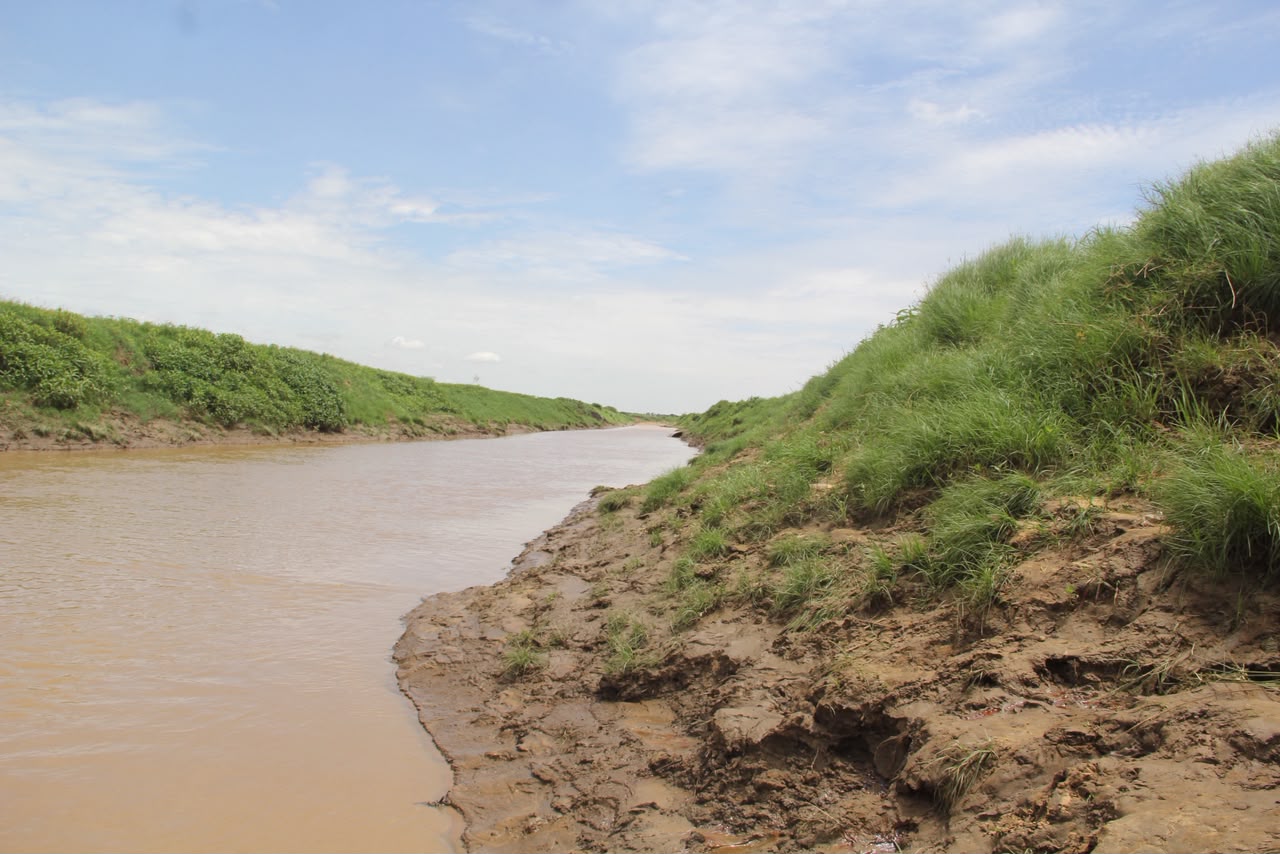
But things have since changed for farmers across Tondi district in Yauri, where Tillo is one of several farming communities. While visiting the area, this reporter walked across the exposed shores of Lake Kainji, which farmers say were once submerged.
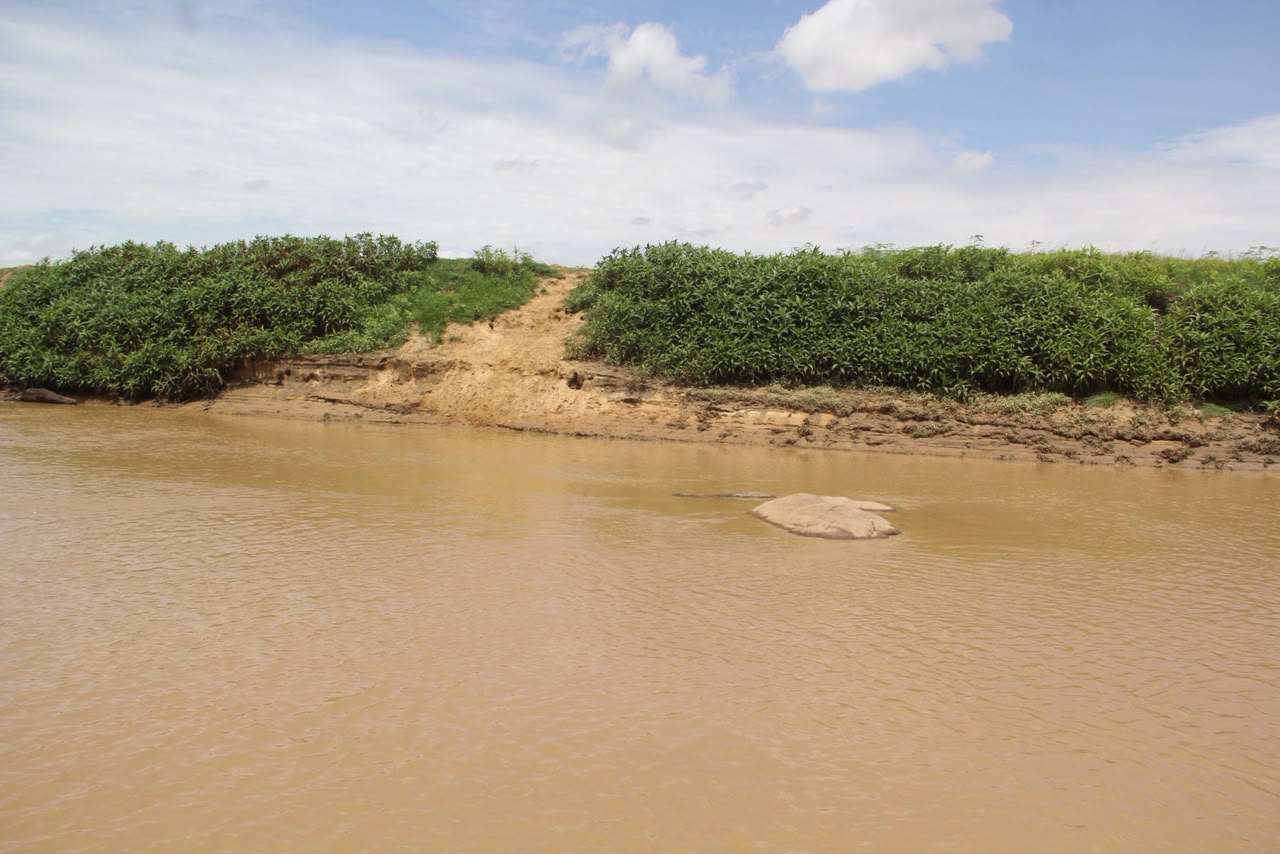
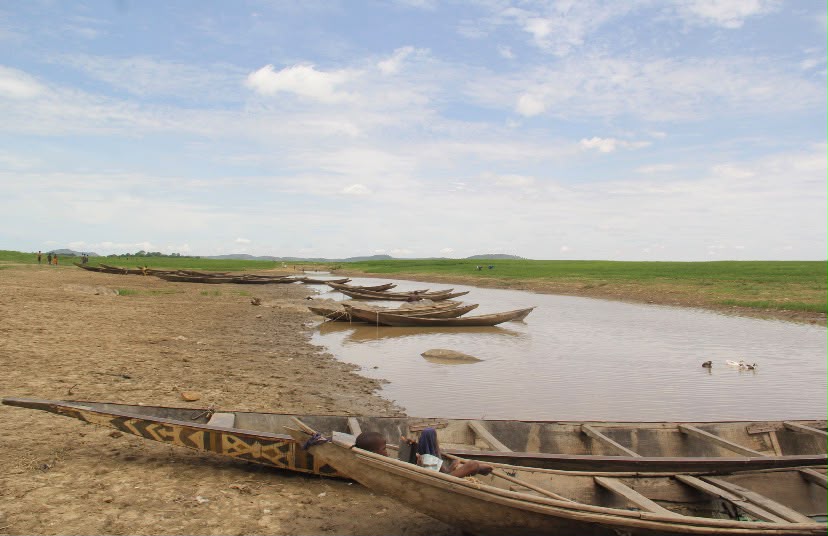
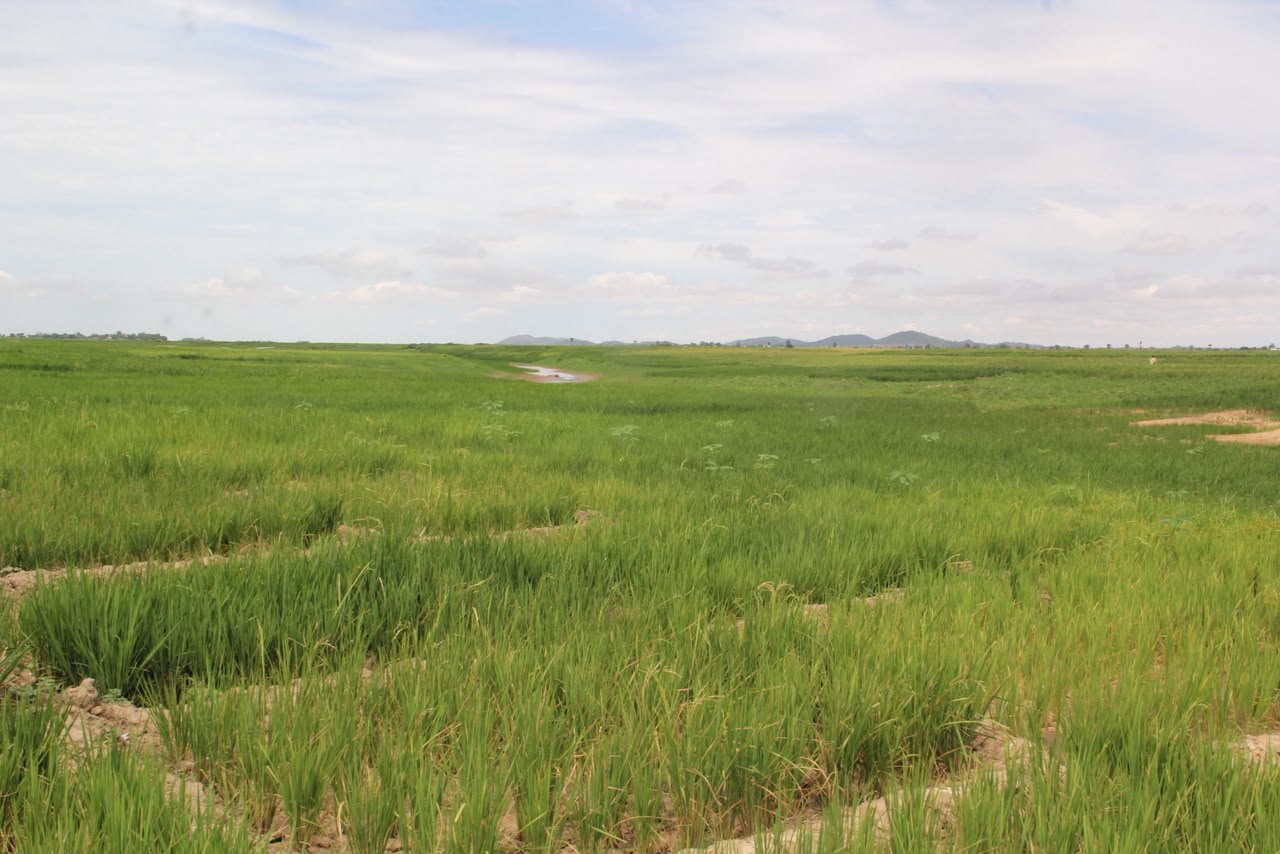
On both sides were patches of rice fields interrupted by wide expanses of abandoned farmland. In some places, exposed rocks protrude from the riverbed. In others, the shoreline appears to have retreated, leaving behind wide expanses of dry earth. A few years ago, they said, nobody would have imagined riding a motorcycle through the area. The only way across was by boat.
But today, motorcycles, pedestrians and even vehicles pass through sections that once formed part of the water channels connected to Kainji Lake.
While the lake sustained life in farming communities across Yauri for generations, Adamu Tillo told The ICIR that reality is changing. The octogenarian farmer, who doubles as the chairman of the Farmers’ Association covering communities from Tondi to Kwashmalo, has spent decades cultivating rice and onions along the bank of the lake.

“Back when I was young, we used to get enough water from this lake and could comfortably practice dry-season farming,” he said. “But now, while we are still farming, the lake has dried up, and a farmer struggles to harvest even one-third of what he planted.”
He explained that if a farmer decides to wait for the rain, his crops may grow well, but they could also perish by flooding. “Honestly speaking, farming is declining now because every year seems worse than the previous one,” he said.
The shrinking water supply affects nearly every stage of farming, said 66-year-old Idris Abdullahi, who cultivates two hectares of farmland. Abdullahi stood beside his rice plants that had produced heads but contained little grain. The crops looked healthy from a distance, but Abdullahi explained that many of the heads were only partially filled.
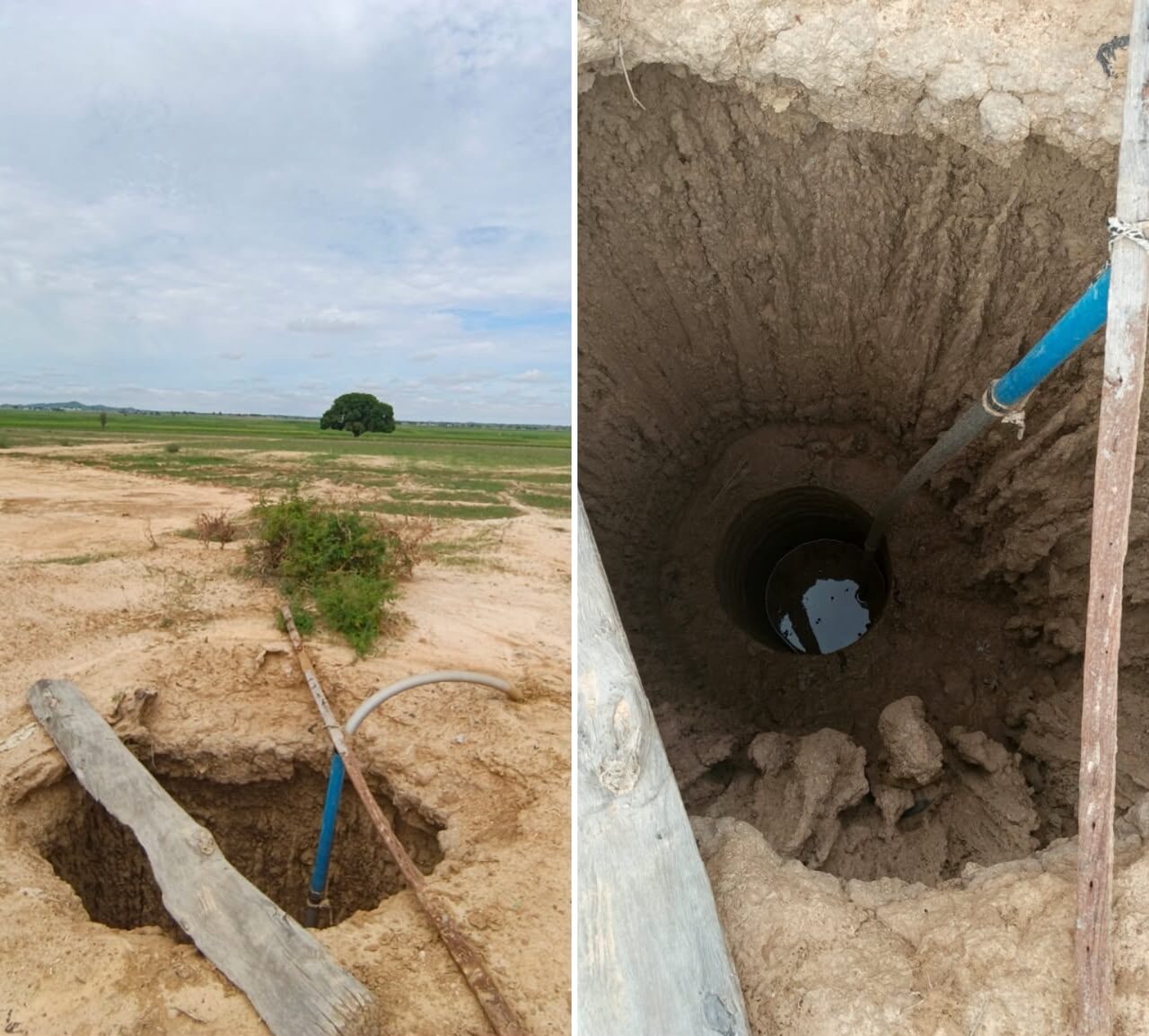
“For example, this farm that you’re seeing would require three lengths of water pipes to bring water from that distant well,” he said. Yet despite the effort, he said the farm still did not receive enough water.
“The rice did not perform well; only a small amount will be harvested from this area. Even though the rice plants have headed, there are no grains inside them. The area is small—less than half a hectare, and the crop has largely failed,” he said. He explained that the situation had forced him to abandon portions of the farm, and he eventually sold them to herders for grazing.
But his losses extend beyond rice. “This year I planted dry-season maize, but just as the maize was beginning to tassel, the water receded,” he said. “The same happened to the onions.”
Abdullahi again explained that a pepper farm that once generated between two and three million naira annually now produces only a fraction of its previous output. In the past, the farmer said he harvested between 15 and 20 bags of peppers every market cycle. But in the last cycle, he harvested only three bags.

His concerns are shared across the community. Over the years, irrigation farming made the area one of the most productive agricultural zones in Kebbi State, with farmers cultivating multiple crops throughout the year.
However, those interviewed for this report said the problem has worsened steadily over the last three years. They noted that water from the lake, which sustains crops to maturity, ceases before harvest time. As a result, many farmers are reducing farm sizes, abandoning fields entirely or borrowing money to survive failed farming seasons.
The crisis unfolding around Kainji Lake mirrors a broader environmental challenge spreading across other parts of Northern Nigeria. The ICIR reports that across several states in the region, farmers are reporting shrinking rivers, disappearing ponds and declining access to irrigation water.
Climate change, siltation and shrinking water levels
Lake Kainji has always been more than a reservoir to the people who live along its shores. Created in 1968 after the construction of Kainji Dam across the River Niger, the lake transformed what were largely seasonal farming settlements into thriving agricultural communities whose fortunes became tied to the movement of water.
Stretching across roughly 1,300 square kilometres, the reservoir supports irrigation, fishing, transportation and hydropower generation, while providing livelihoods for thousands of households across Kebbi and Niger states.
However, the signs of change are difficult to miss. Across Tillo and neighbouring communities, exposed rocks protrude from water channels that residents insist were permanently submerged when they were younger.
Residents referred to growing sand deposits in the lake as one of the major changes they have observed over the years. They also mentioned that waterways have now become footpaths used by motorcycles and pedestrians, while stretches of abandoned farmland now separate active rice fields.
For many farmers, these visible changes support their belief that the lake is shrinking.
Their observations are consistent with scientific concerns about sedimentation within reservoirs. Sedimentation occurs when soil, sand and other materials carried by rivers settle inside a reservoir, gradually reducing its storage capacity and altering water movement. When this happens, water bodies become shallower and may lose their ability to retain water for long periods.
A 2024 study that assessed sedimentation in the reservoir of the Kainji Hydropower Plant in Niger State identified sediment accumulation as a growing concern because it can affect the lake’s long-term ability to store and distribute water efficiently.
But sedimentation only tells part of the story. Across Northern Nigeria, climate scientists have warned that rising temperatures, changing rainfall patterns and increasing evaporation are placing greater pressure on rivers, lakes and other freshwater systems.
Climate change is increasingly disrupting agricultural production in Nigeria, the most populous nation in Africa. The effects are particularly severe in the northern region, which contributes significantly to the country’s agricultural output.
Farmers’ ability to adapt remains limited, with smallholder farmers making up more than 80 per cent of Nigeria’s farming population and being responsible for about 90 per cent of annual agricultural production. Many of them have continued to rely on rudimentary tools and labour-intensive methods due to limited access to modern equipment and support.
The impact is already visible in crop production. According to AFEX, a licensed commodities exchange, the area cultivated for maize, Nigeria’s most widely grown cereal crop, declined from 6.2 million hectares in 2021 to 5.8 million hectares in 2022 and then from 5.10 million hectares in 2023 to 5.06 million hectares in 2024. This reflects the mounting pressures facing the agricultural sector.
This was the same for rice production, which declined to 5.23 million metric tonnes in 2024 from 5.61 million metric tonnes in 2023 and 5.41 million metric tonnes in 2022.
Adamu Tillo, who farms at the Tondi riverbank, said farmers who once harvested up to 200 bags of rice now struggle to obtain 50 bags from comparable plots.

He also recalled earning between two and three million naira annually from pepper farming before water shortages devastated production.
The implications extend far beyond the shores of Lake Kainji. Nigeria is already grappling with rising food prices, climate-related agricultural losses and growing concerns about food insecurity.
The Food and Agriculture Organisation of the United Nations (FAO) projected in October 2025 that 34.7 million Nigerians could face severe food insecurity by mid-2026 as climate pressures combine with economic challenges and conflict to reduce access to food.
Debt and shrinking livelihoods
Elsewhere in Tillo, 37-year-old Idris Ilyasu Musa was lost in thought over his mounting debts. Musa said he previously cultivated about two hectares of farmland but now struggles to harvest even a fraction of that land.
“Before, if you spent ₦200,000 or ₦300,000, you could expect to make a profit,” he said. “Today, even recovering the money you invested is difficult.”
He said the repeated losses had forced him and many other farmers to reduce the size of their farms, explaining that he had sold parts of his farmland for grazing.
According to him, his rice farm, which used to yield 15 to 20 bags per market cycle, now produces only about three bags.
“Farming is difficult in this period, and there is no profit. Last year we farmed and suffered losses; this year we farmed again and still suffer losses. Eventually, we have become discouraged from trying.
“As you can see, some fields have been cultivated while others have been left untouched, and even the cultivated ones have not performed well because of these challenges,” he said.
The ICIR gathered that the financial strain is pushing many households into debt, with several farmers who spoke to this reporter saying they borrowed to plant in hopes of repaying after harvest. But poor yields often leave them unable to repay loans.
“When the head of a family has little or no income, the entire family suffers. We are in a very difficult situation,” said 32-year-old Muhammad Ahmad, a resident of Old Tondi in Yauri town.
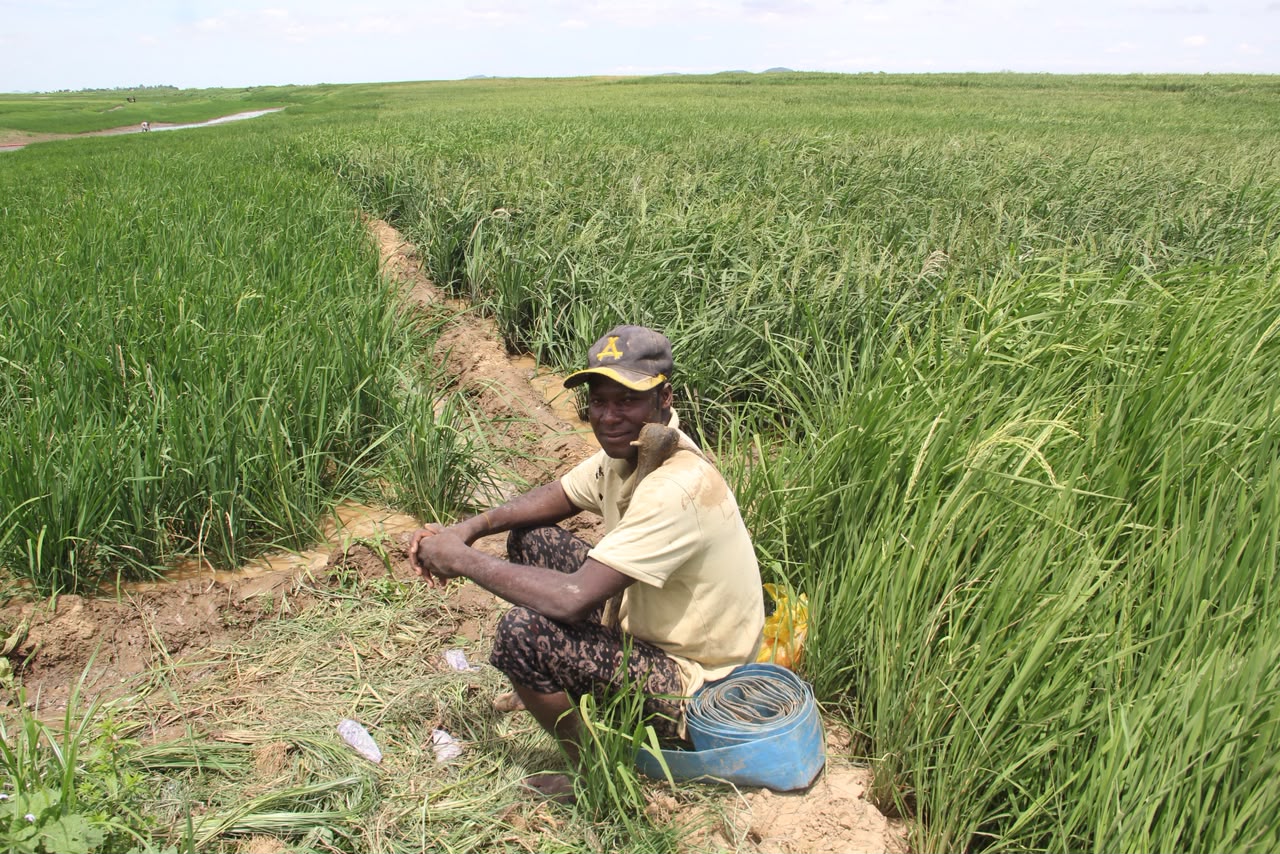
Ahmad told a story similar to Musa’s. Coming from a family dependent on farming, he said dwindling water supplies have transformed agriculture from a reliable livelihood into a gamble.
Ahmad said he experienced what he described as one of the worst farming seasons, when the lake receded before his rice crop matured, and he lacked the money needed for petrol-powered irrigation.
“I had to work as a labourer,” he recalled. “Whatever money I earned, I used it to buy fuel and irrigate only part of the farm. When harvest came, I realised I had not even obtained one-third of my usual yield,” he added.
Rising cost of irrigation
The ICIR gathered that the shrinking river has dramatically raised costs of irrigation, forcing farmers to spend more on fuel, pumps, and piping at a time when their harvests are already declining.
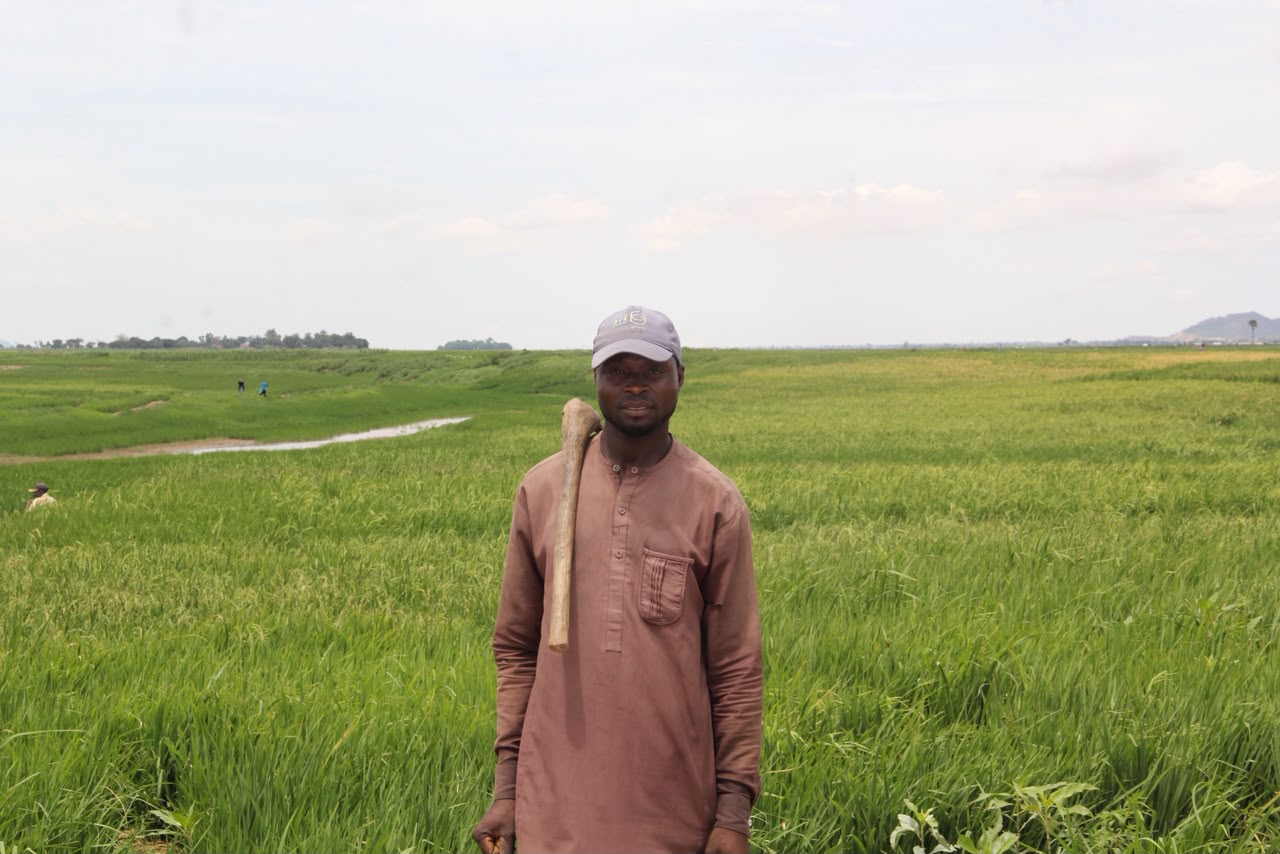
In Tondi village, 28-year-old Shehu Tsamiya Hazjazu said that in the past, farmers in the village depended largely on floodwater and residual moisture to sustain rice cultivation.
According to him, irrigation was limited, and production costs remained manageable. But the receding river has forced him and several others to adopt more intensive irrigation methods.
“We started using irrigation pumps to draw water from the lake because the water no longer remained for long periods,” Hazjazu explained.
But pumping water across greater distances comes at a cost. “Bringing water from a far place means buying pipes and spending more money on petrol.”
For many of them, those expenses now consume money that would otherwise support their families. Hazjazu said household finances are frequently sacrificed to keep crops alive.
“Sometimes, the money that should be used to buy household necessities has to be divided, with part of it spent on irrigation activities,” he said.
The consequences can also be devastating when farmers cannot afford those costs. Hazjazu recalls one season when he planted his rice crop but lacked the money needed to continue irrigation.
“The rice had already formed heads, but I had no money to buy petrol,” he said. “While I watched helplessly, pests invaded and destroyed the crop, and I harvested nothing.”

Muhammad Ahmad has witnessed similar increases in irrigation expenses. “When water is available, you may spend between ₦17,000 and ₦20,000 on fuel,” he said. “But once the water recedes and irrigation becomes difficult, fuel expenses can rise to ₦28,000 or ₦30,000.”
The search for alternative water sources has equally proven challenging. Several farmers told The ICIR that attempts to dig wells have repeatedly failed because of underground rock formations that prevent access to sufficient groundwater.
“We attempted to construct wells,” Muhammad said. “Even after installing one to five pipes, workers often hit solid rock.”
Fishers not exempted
Before dawn breaks over the River Niger in Yauri, 40-year-old Usman Muhammad pushes his wooden canoe into the water and disappears into the fading darkness in search of fish.
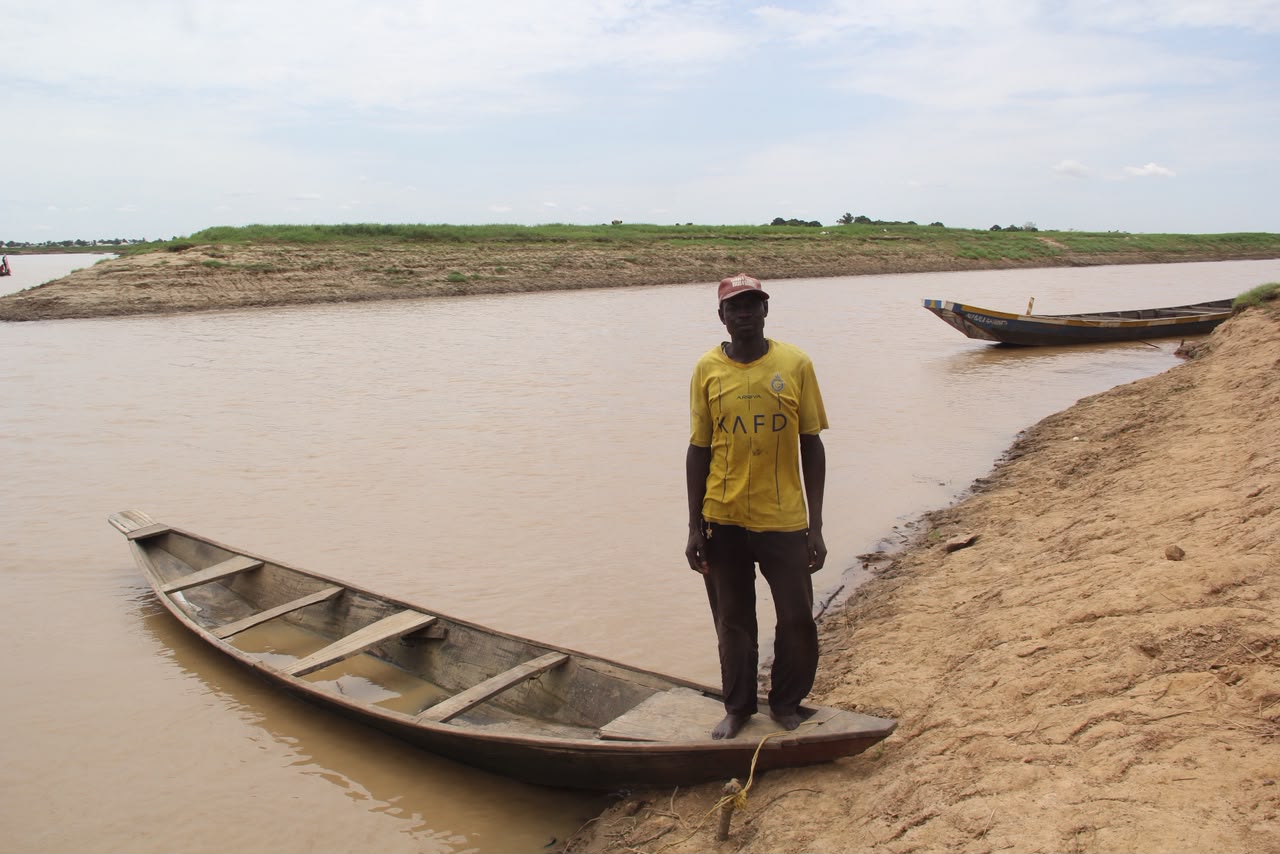
Hours later, he returned with a modest catch, enough to fit into a small container. It is not the haul he had hoped for after spending most of the day on the river.
“Sometimes we leave early in the morning and spend the whole day trying our best, only to earn about ₦6,000,” he said. “At that point, we simply return home and leave the rest to God.”
Like farmers in Tondi, fishing has sustained families in Sarkawa and other communities scattered along the River Niger for generations. But fishermen told The ICIR that the changing water conditions, shrinking channels and increasing sedimentation are making it harder to earn a living from the water they have depended on all their lives.
Muhammad may not describe his experience in scientific terms, but he understands what many fishermen along the River Niger are witnessing. He said catches fluctuate dramatically during the last dry period.
“During the dry season, things are often difficult because fish are not abundant due to changes in the water conditions,” he explained. “Most of the time, we struggle without catching much.”
In Nigeria, fish remains a critical source of nutrition and livelihoods. It accounts for about 40 per cent of the country’s protein intake, with estimated consumption of 11.3 kilograms per person annually. However, domestic production continues to lag behind demand. Nigeria produces about 1.1 million to 1.4 million metric tonnes of fish yearly against an estimated national demand of 3.6 million metric tonnes.
The shortfall of about 2.5 million metric tonnes has forced the country to rely heavily on imports to bridge the gap.
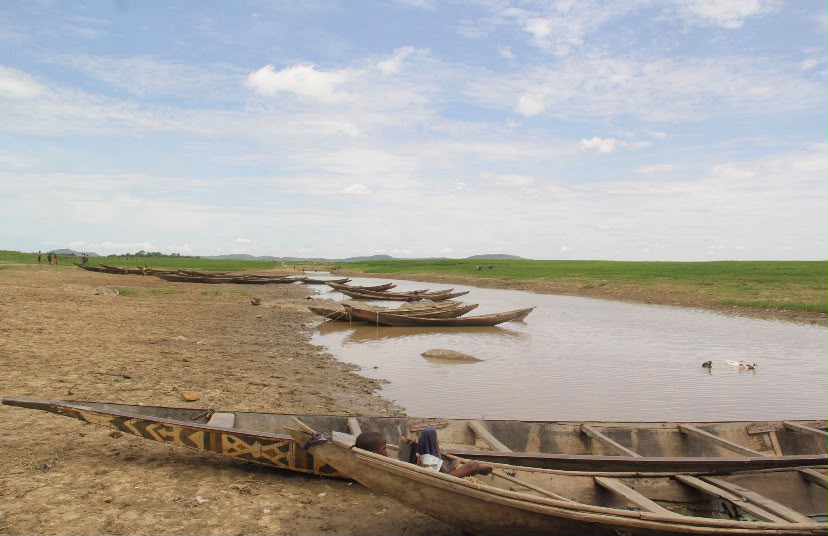
For Muhammad, poor catches tied to climate change affect the production rate and his family income too. “There have been times when I went out fishing and returned without catching any fish,” he said. “The following day, no food was cooked in my house because there was nothing to provide for the family.”
The fisherman said water availability directly determines fish availability. He noted that in previous years when rainfall is favourable and water is released from Kainji Dam, fishing becomes easier and incomes improve.
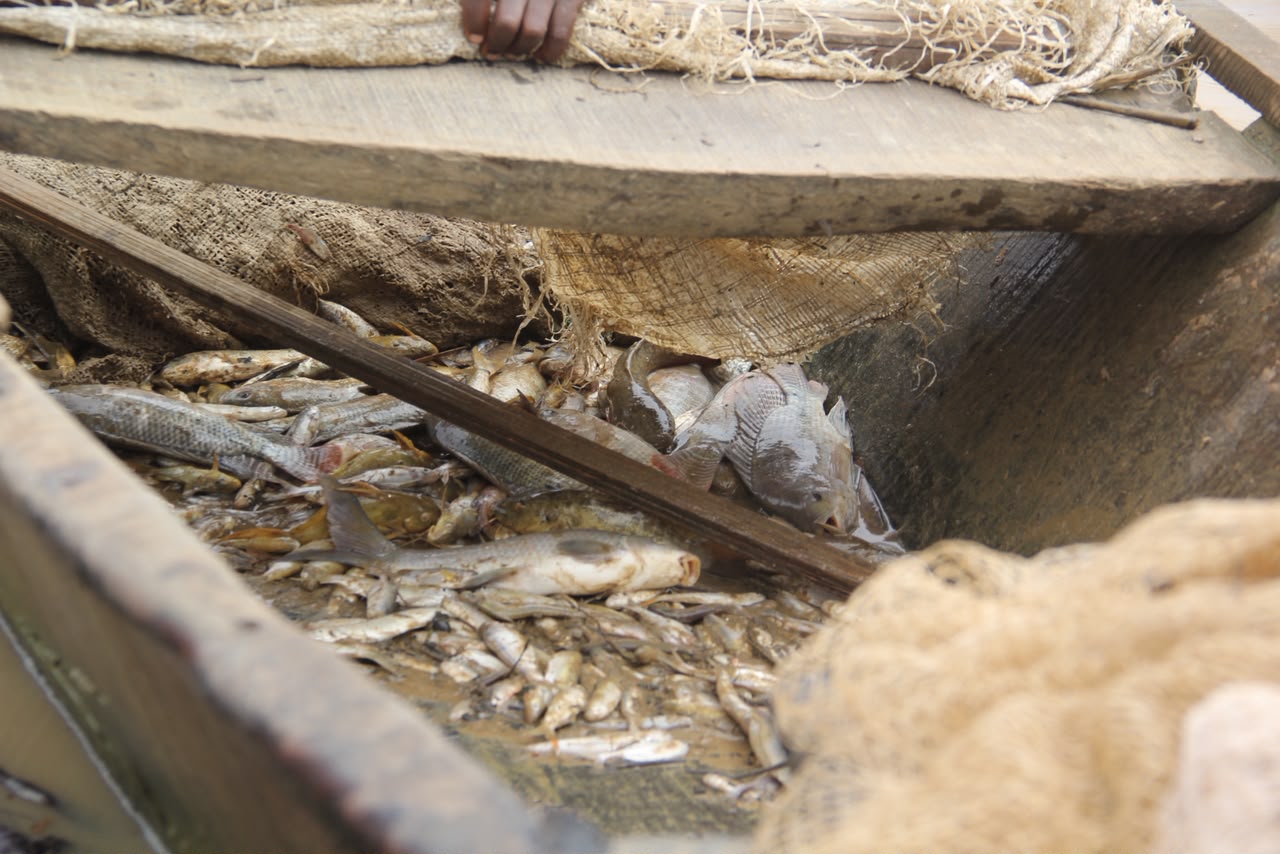
“But when water levels fall in some locations, fishermen often travel long distances to areas where water remains, including communities such as Zamare, hoping to find better fishing grounds,” he added. “The river has become filled with silt and sediment,” he said. “If the river were deeper, fish would have places to hide and thrive.”
He believes dredging sections of the river and removing accumulated sand could improve conditions for fish and fishermen alike.
“That would greatly help fishermen by increasing fish populations and improving our catches,” he added.
Shrinking Lake Kainji threatens Nigeria’s food security, expert warns
Speaking on the implications of shrinking irrigation water around the lake, a food security expert, Azeez Salawu, said the declining water level of Lake Kainji poses a serious threat to food production in Kebbi State and could worsen Nigeria’s food security crisis if urgent measures are not taken.
He explained that Kebbi State remains one of Nigeria’s leading producers of rice, tomatoes, onions and other staple crops, many of which rely heavily on irrigation systems connected to Lake Kainji.
According to him, declining water levels are already affecting farmers’ ability to cultivate their land.
“When the water becomes unreliable, farmers are forced to reduce the size of cultivated land, delay planting and, in some cases, abandon production altogether,” he said.
He noted that while the immediate impact is being felt in Kebbi State, the consequences extend far beyond the state because reduced agricultural output from a major food-producing region would affect food availability nationwide.
The expert warned that lower production would increase pressure on Nigeria’s already constrained food supply chain, drive up food prices and further worsen inflation.
“At a time when we are still trying to address the issue of high inflation, any decline in agricultural output from a major food-producing region would further compound the crisis,” he added.
The expert also warned of long-term consequences should the trend continue, saying declining yields would reduce domestic food supply while threatening the livelihoods of thousands of farming households that depend entirely on agriculture for their income.

He further cautioned that persistent water shortages could discourage young people from venturing into agriculture, forcing many to migrate from rural communities to urban centres in search of alternative livelihoods.
Reacting to the Food and Agriculture Organisation’s (FAO) projection that 34.7 million Nigerians could face food insecurity, the expert described the figure as “a national call to action.”
He said the situation around Lake Kainji demonstrates how climate variability is increasingly interacting with other challenges, including insecurity and weak agricultural infrastructure, to threaten food production.
To address the challenge, he urged the government to provide immediate support to affected farmers through subsidised equipment, climate-resilient seed varieties, improved agricultural extension services and greater access to finance.
In the medium term, he called for investments in modern irrigation infrastructure, efficient water resource management and climate-smart agriculture.
He also advocated stronger collaboration among the Ministries of Agriculture and Water Resources, the Nigerian Meteorological Agency (NiMet), research institutions and development partners to develop integrated support systems.
“Food security is no longer just an agricultural issue. It is also a climate issue, a water issue, an economic issue and a governance issue,” he said.
According to him, building resilient food systems will require coordinated investments that protect natural resources while helping farmers adapt to the effects of climate change.
This reporting was completed with the support of the Centre for Journalism Innovation and Development (CJID).

Mustapha Usman is an investigative journalist with the International Centre for Investigative Reporting. You can easily reach him via: musman@icirnigeria.com. He tweets @UsmanMustapha_M



