

Education
IEA warns of growing wildfire threat to global electricity grids – EnviroNews


– Advertisement –
The International Energy Agency (IEA) has warned that increasing wildfire risks pose a growing threat to electricity infrastructure worldwide, calling for stronger investments, improved regulatory frameworks and enhanced resilience measures to protect power grids.
The agency said wildfires were increasingly disrupting electricity supplies, damaging power infrastructure and, in some cases, being triggered by faults involving electricity networks.
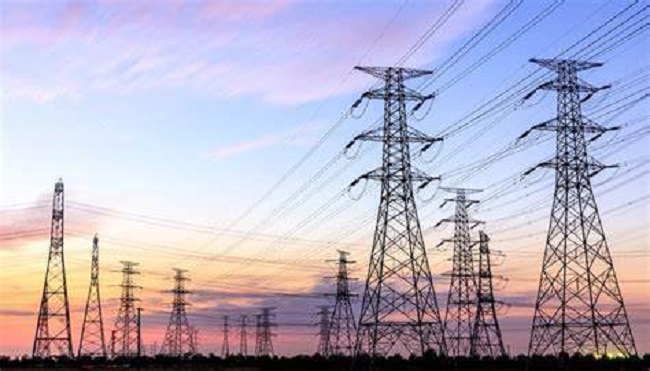
In a commentary published on October 30, 2026, IEA experts Christine Brandstätt, Transition Tracking and Analysis Team Lead; Inhoi Heo, Energy Analyst; and Daniel Wetzel, Head of Tracking Sustainable Transitions Unit, said the growing threat raised important questions about how electricity infrastructure should be designed, expanded and operated in fire-prone areas.
According to the experts, nearly 25 million kilometres of electricity lines are expected to be built globally over the next decade under current policy settings, making wildfire risk an increasingly important consideration for energy planners and utility operators.
They noted that although the overall global area burned by wildfires had declined, largely because of changes in agricultural activities and practices, the number and frequency of intense wildfires had more than doubled over the past two decades.
The experts attributed the growing intensity of wildfires to longer heat seasons and periods of low precipitation, often following rainfall that encourages vegetation growth.
They cited Europe’s experience in 2025, which recorded its worst year for wildfires, warning that 2026 could surpass that record, with total economic losses already projected to exceed €3 billion.
Economic losses from wildfires in advanced economies have also more than tripled since 2014, growing by over 11 per cent annually, while insured losses have increased by approximately 12 per cent each year, driven largely by the United States, Europe and Australia.
Beyond damage to lives and property, the IEA experts said wildfires had lasting consequences for local economies, public health, biodiversity and the climate through smoke pollution, environmental degradation and greenhouse gas emissions.
Electricity disruptions
The commentary highlighted the growing impact of wildfires on electricity supply, citing a new IEA database tracking approximately 3,000 energy supply disruptions caused by natural hazards since 2022.
Of these, about 180 reports involved wildfire-related power cuts or outages, resulting in nearly 15 million customer disruptions.
Many of the incidents occurred when electricity operators deliberately switched off sections of the grid to prevent fires from damaging power lines, poles and other network equipment.

However, the experts warned that electricity infrastructure could also be a source of wildfire ignition.
In the United States, where data on wildfire ignition sources are relatively comprehensive, energy infrastructure has accounted for an average of about four per cent of wildfires with known causes since the beginning of this century, although the proportion is increasing.
Similarly, in Victoria, Australia, wildfires account for between one and two per cent of reported grid-related safety incidents.
The IEA experts explained that vegetation growing too close to live electricity equipment was among the most common causes of grid-related fires, particularly during dry and windy conditions.
Other causes include faulty equipment and sparks generated when power lines clash as they sag under high temperatures or sway in strong winds.
They cited investigations linking utility equipment to the 2025 Eaton Fire in the United States, as well as cases in Australia and Greece where electricity utilities had been fined or held liable for wildfire incidents.
Power cuts and grid instability
The experts warned that electricity disruptions could occur even before wildfires break out, as utility operators increasingly resort to preventive shutdowns when extreme heat, strong winds and dry conditions create imminent fire risks.
In 2025, they said, 21 such events across North America’s Western Interconnection power grid affected more than 600,000 customers.
While preventive shutdowns help reduce the risk of fire outbreaks and protect firefighters, sudden de-energisation of electricity infrastructure can create wider challenges for grid management.
The commentary cited an incident in Argentina in 2023, when the shutdown of power lines destabilised the electricity system and triggered safety shutdowns at power plants during a period of high cooling demand, temporarily leaving approximately 20 million people without electricity.
Increasing dependence on solar energy could also introduce additional complications.
Smoke from Canadian wildfires was estimated to have reduced solar photovoltaic output by up to 40 per cent in neighbouring US states, creating fluctuations that electricity system operators could find difficult to anticipate and manage.
Global electricity infrastructure exposed
The IEA’s new analysis provides a global assessment of the exposure of electricity networks to wildfire risks, showing that approximately 22 per cent of electricity grids worldwide pass through areas where wildfire conditions occur, on average, at least once every 10 years.
About five per cent of the networks traverse areas exposed to wildfire risks at least once every two years.
South America has the largest share of electricity infrastructure exposed to wildfire risks, partly because 65 per cent of its grid infrastructure is above ground, while North America has the greatest total length of electricity lines located in wildfire-prone areas.
The analysis further showed that more than 20 per cent of electricity infrastructure exposed to wildfire risks globally is located within 10 kilometres of urban centres, while over two-thirds is within 50 kilometres.
The experts noted that electricity infrastructure in remote locations presents additional challenges because damaged lines may be difficult to access and repair.
They cited wildfires in Victoria, Australia, in January 2026, which damaged approximately 900 kilometres of electricity lines, including infrastructure in remote areas that remained inaccessible for several weeks.
Call for stronger resilience measures
To address the growing threat, the IEA experts called for closer collaboration among policymakers, regulators, electricity utilities and industry players to strengthen the resilience of power networks.
They said measures should include improved reporting and preparedness requirements, stronger equipment standards, changes in utility operations and investments in more resilient electricity infrastructure.
Already, more than half of above-ground electricity lines in wildfire-prone areas are located in countries with vegetation management obligations or standards, at least for higher-voltage networks.
In Canada, the United States and parts of Mexico, for instance, the North American Electric Reliability Corporation (NERC) standard requires vegetation clearance, annual inspections and incident reporting.
Several jurisdictions, including Victoria in Australia and California and Texas in the United States, have also introduced requirements for comprehensive wildfire management plans.
The experts highlighted other measures that electricity utilities could adopt, including routing new infrastructure away from high-risk areas, increasing vegetation clearance beneath power lines, covering conductors and using fire-resistant poles.
They also recommended deploying faster fault-detection and protection systems to reduce the likelihood of electricity equipment triggering fires.
In areas where the potential consequences of wildfires are particularly severe, more expensive interventions, such as undergrounding electricity lines and developing network redundancy, could be justified.
The commentary also highlighted innovative approaches to wildfire monitoring and prevention by utilities in different countries.
China’s State Grid, for example, uses satellites and drones to monitor more than 100,000 square kilometres for wildfires, while South Africa’s Eskom incorporates firebreaks into its vegetation management practices.
Portugal’s electricity transmission operator, REN, also works with landowners to manage abandoned land and promote reforestation using native, fire-resistant plant species.
Financing wildfire resilience
The IEA experts said financing investments in electricity infrastructure resilience was becoming increasingly important, particularly as regulators sought to improve reliability without imposing excessive costs on consumers.
They observed that utilities often faced difficulties justifying upfront investments in preventive measures, as repairing damaged infrastructure could be easier to accommodate within existing regulatory and budgeting arrangements.
In addition, conventional electricity reliability indicators often exclude extreme weather events classified as force majeure, potentially limiting incentives for utilities to invest in resilience measures.
However, some jurisdictions are beginning to recognise resilience investments more explicitly.
Australia is developing guidelines covering network resilience, including bushfire preparedness, while the United Kingdom is pursuing a similar regulatory process focused on storms.
The experts also highlighted the financial implications of liability arrangements, particularly in California, where electricity utilities face strict accountability for wildfire damage.
They said wildfire-related costs accounted for as much as $41 per month in average residential electricity bills in California in 2025, with up to a quarter of the amount linked to liability costs.
Such financial pressures could encourage utilities to rely more heavily on preventive electricity shutdowns during extreme fire conditions, reducing ignition and liability risks but potentially disrupting supplies to consumers.
In contrast, some Australian states require electricity utilities to compensate customers affected by outages, including disruptions associated with bushfires and other natural hazards.
The experts noted that insurance schemes and dedicated wildfire funds, including those established in California and Chile, could absorb some of the financial risks but would not cover the full economic consequences of wildfires.
Concluding, they stressed that effective wildfire-risk management would require a combination of administrative measures, targeted investments, operational changes and stronger cooperation between electricity utilities and public authorities.
They said policymakers could support these efforts through clear standards, improved risk mapping, appropriate accountability frameworks and coordination across agencies and jurisdictions.
The IEA disclosed that it was expanding publicly available data on energy disruptions and resilience measures through its forthcoming Global Observatory for Energy Sector Resilience.
The initiative will also convene regular discussions involving regulators, policymakers, energy companies, insurers and financiers to develop a broader agenda for strengthening resilience across the energy sector.



