

Politics
Inside smashInvest: The ‘transport’ scheme that drained Nigerians’


Smashinvest Integrated Services LTD presented itself as a transportation investment company, promising high returns to Nigerians seeking passive income. However, investment agreements, repayment documents and testimonies reveal a troubling pattern of delayed repayments and outright default that echoes the mechanics of a Ponzi scheme.
When Bimbo (Not real name), a widowed mother of three, heard that Smashinvest Integrated Services LTD was offering a 30 per cent interest on investments, she figured it would be a good way to invest part of her late husband’s pension ahead of her children’s tertiary education.
It was 2020, and Bimbo, who had the pension funds, said she didn’t want to spend it. “So, I felt investing it would give me a better chance for my children’s education,” she explained.
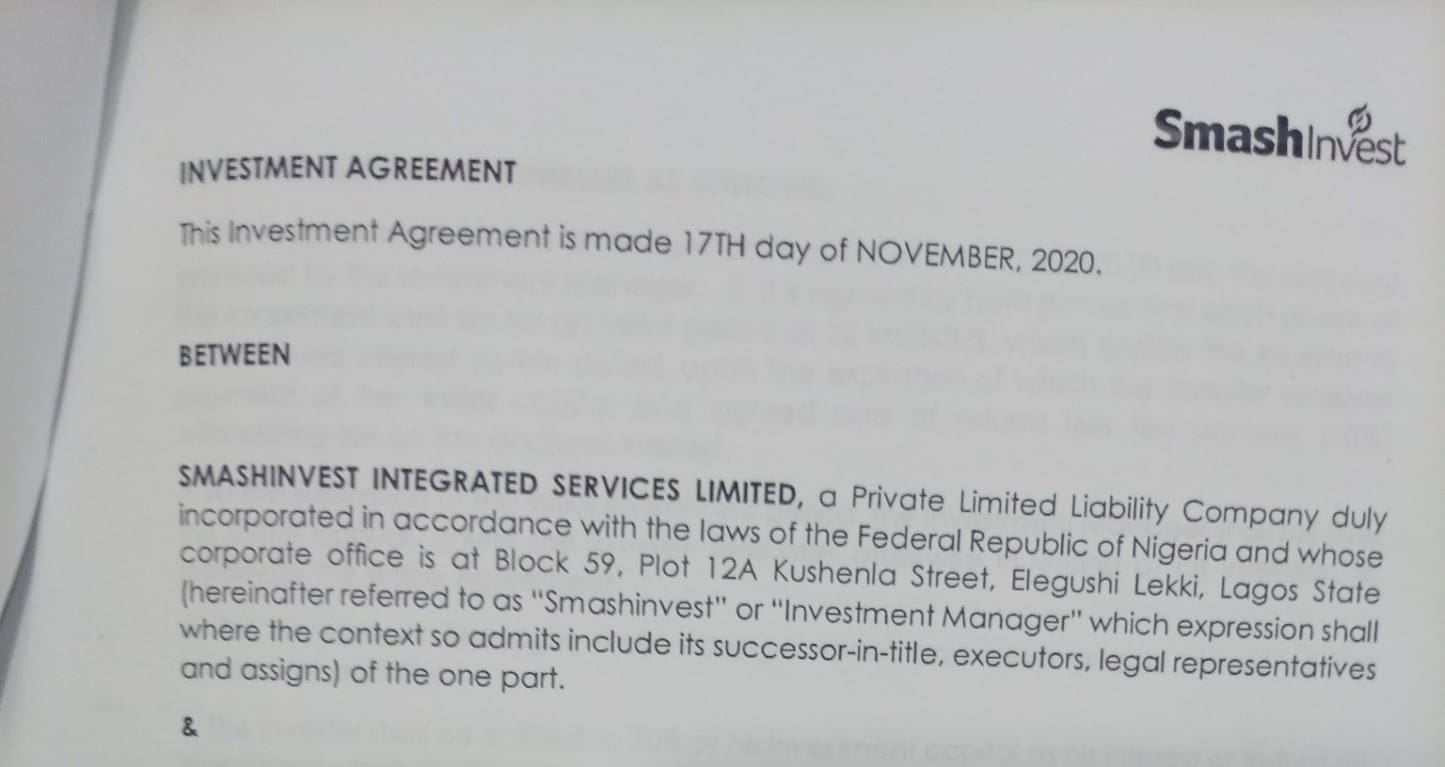
She had been convinced through the testimony of someone she called a brother and a member of her church. He told Bimbo that the investment had paid him. Therefore, on November 17, 2020, she invested N1.2 million after communication with Paul Smith, the founder and Chief Executive of Smashinvest Integrated Services LTD.
“He told me it was a transportation-based investment. He sent me a form which I filled, signed and scanned back to him with the terms and conditions of the investment,” she recalled.
Soon after, she made the transfer, and the money went directly into the company account.
For Bimbo, the first month felt like vindication because her N1.2m investment yielded N27,000 in December 2020. But January 2021 came with a deafening silence. There was no alert, and no explanation. What followed was an unsuccessful six-year chase to recover her money.
Bimbo is one of thousands of Nigerians who have lost their money to fraudulent investment schemes that resurface in various forms, promising quick, unrealistic returns. In Ponzi schemes, the tactic is to persuade participants to invest money with promises of unusually high returns in a short period, then strategically use referral bonuses to encourage participants to recruit new members.
Since 2016, when the notorious Mavrodi Mundial Movement (MMM Nigeria) Ponzi scheme crashed after reportedly trapping about N18 billion, several others have surfaced and drained millions from unsuspecting Nigerians under the guise of investment opportunities.
As of 2025, the Securities and Exchange Commission (SEC) reported that Nigerians have lost approximately N316bn to Ponzi schemes and illegal fund managers, warning that greed and ignorance have continued to sustain the menace.
But Smashinvest Integrated Services LTD did not appear to Bimbo and other investors as a Ponzi scheme. The CEO had assured them that it was a transport business, and they were never explicitly told they needed to get referrals.
Still, Nigeria’s law makes it illegal for any individual or company to promote investment services, provide investment advice or solicit funds from the public without first obtaining registration from the SEC.
A former Chief Economist at Zenith Bank, Miracle Okeke, said that the provisions of the Investments and Securities Act (ISA) 2025 also extend to foreign investment schemes targeting Nigerians, adding that failure to comply attracts a penalty of N10 million or 10 per cent of the gross value of the offer, whichever is higher. He said affected investors are entitled to rescind the transaction and seek compensation.
“Collective investment schemes are permitted to raise capital from the public only after complying with SEC registration and disclosure rules, ensuring investors have access to material information before making investment decisions,” the financial expert said.

Offer of 30 per cent return for 12 months
Bimbo’s investment agreement, reviewed by The ICIR, shows that it was signed by both Bimbo and Paul Smith, the founder of the company, on November 17, 2020, offering 30 per cent interest at the value date of 16TH November 2021.
The company described itself as a leading transportation investment provider in Nigeria. However, an analysis of the agreement by the Chief Investment Officer of Coinage Capital Managers Limited, Paul Owolabi, reveals embedded clauses that shifted substantial risk to the investor.
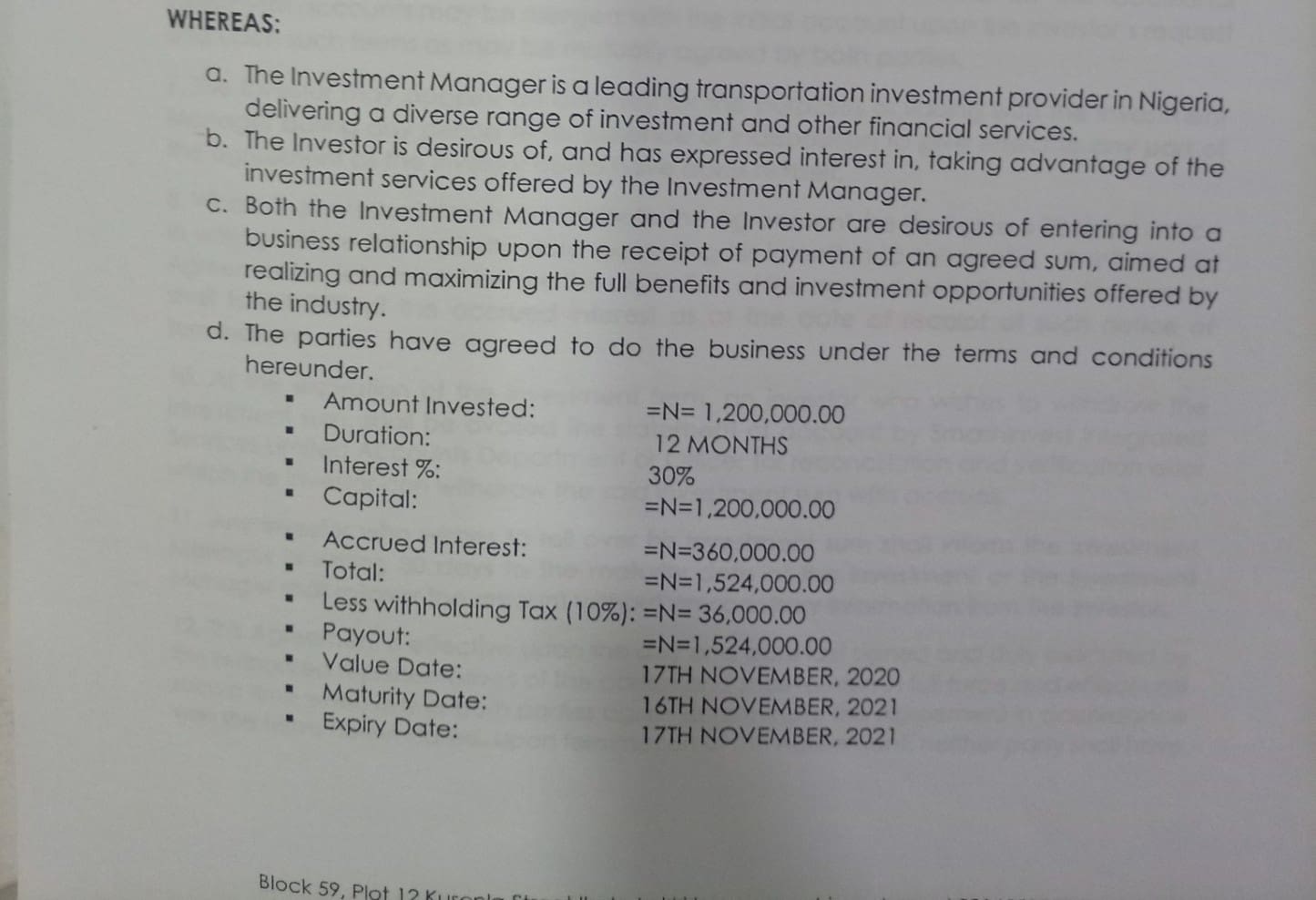
The agreement stated that: “The parties have agreed to do the business under the terms and conditions hereunder.” It captured the amount invested as N1,200,000.00, a duration of 12 months and an interest of 30 per cent. It further indicated the capital as N1,200,000.00, and accrued interest as 360,000.00 with an expected total of N1,524,000.00.
“N36,000.00, for less withholding tax (10%), with the payout at N1.524.000.00 with the value date of 17th November 2020, maturity date of 16 November 2021, and expiry date of 17TH November 2021,” the agreement added.
In clause 15 of the agreement, SmashInvest insulated itself from liability arising from disruptions, including pandemics, civil disturbances, utility interruptions, software failures and operational disruptions, noting that the company would not be liable for failure or delay caused by circumstances beyond its control.
The agreement further directed disputes toward arbitration processes that can be expensive and slow for ordinary Nigerians.
Owolabi said most fraudulent investment platforms thrive by luring Nigerians with unrealistic promises of extraordinarily high returns.
“If someone promises you returns that are far above prevailing interest rates, that should immediately raise a red flag. Before investing, check whether the company is registered with the SEC. The commission has made that information publicly available. The SEC website contains the names of registered capital market operators. If the company is not there and you still invest, then you have ignored the first warning,” he said.
He explained that six years ago, when Nigeria’s Monetary Policy Rate (MPR) was about 15 per cent, investment returns being promised by fraudulent schemes were already unrealistic, noting that “Today, with the MPR at 26.5 per cent, any investment promising guaranteed returns of 27 or 30 per cent within a short period should immediately raise suspicion.”
Giving insights into similar fraudulent schemes, the financial experts said many such schemes are set up by individuals who rent office spaces and begin collecting funds without SEC authorisation, noting that the SEC recently raised the minimum capital requirement for capital market operators from N150 million to N2 billion, a move he said aimed at ensuring only financially sound firms are licensed to manage public investments.
Owolabi explained that SEC has equally intensified its crackdown on unregistered investment operators in recent years, arguing that regulators alone cannot eliminate ponzi schemes because fraudsters continually create new entities to deceive unsuspecting investors.
The ICIR reports that in March 2026, the commission’s Executive Commissioner for Operations, Bola Ajomale, during the Nairametrics Money Fair in Lagos, disclosed that SEC had investigated and shut down more than 400 fraudulent investment schemes across Nigeria within three years, while several suspects are currently facing prosecution.
Under the Investments and Securities Act 2007, enforced by the SEC, no person or company can operate as an investment manager, fund manager, or collective investment scheme without SEC registration and approval.
The required licences include fund portfolio manager, investment adviser, and collective investment scheme operator. Therefore, if an unregistered company collects money from the public and promises returns, it is operating illegally.
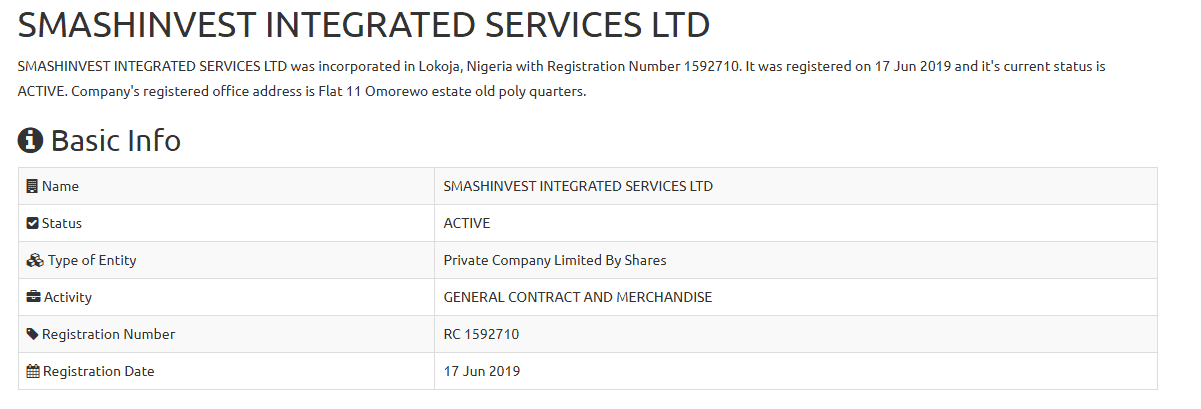
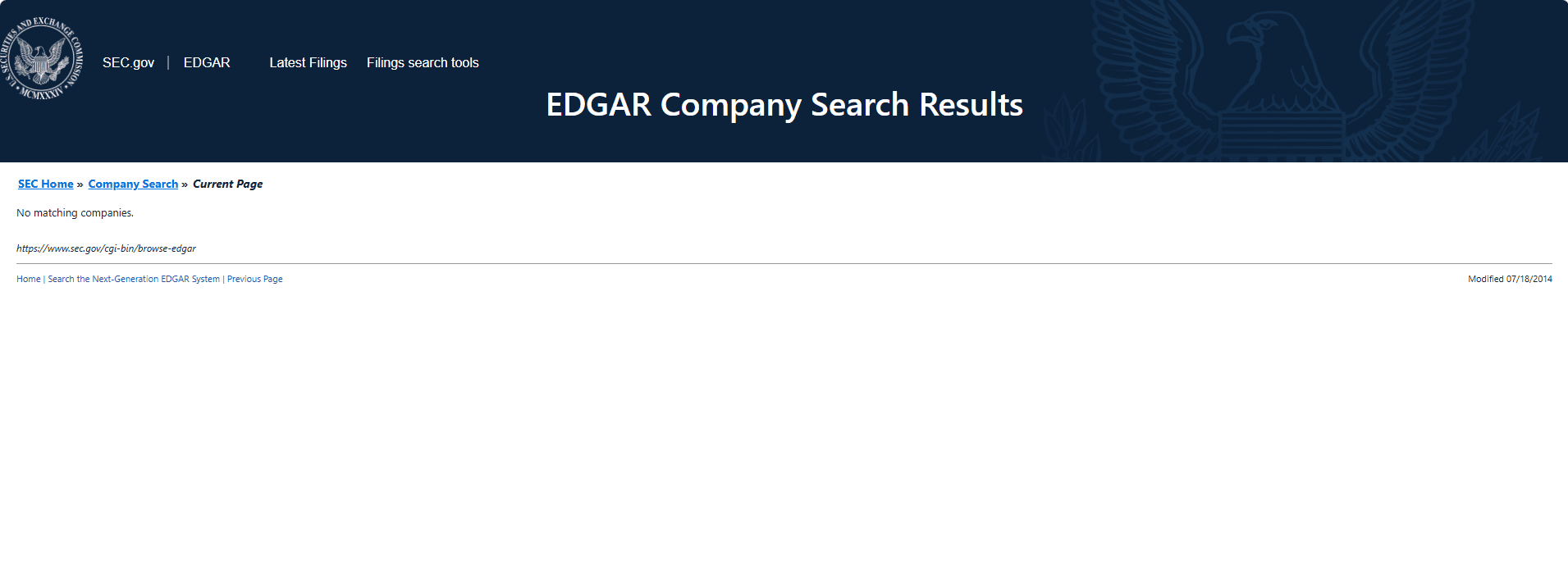
Checks by The ICIR revealed that while Smashinvest is registered with Nigeria’s Corporate Affairs Commission, it is not a registered operator on the SEC website.
On the CAC website, SmashInvest Integrated Services LTD was registered on 17 Jun 2019 with Number RC 1592710 at Flat 11, Omorewo Estate, Old Poly Quarters. It is registered as a private company limited by shares to operate in general contracting and merchandise, and its status is active as at July 20, 2026.
It shows that Paul Smith Demudia Eigbefoh is the director and shareholder and also lists Jumoke Smith Dare as director, shareholder, and secretary, while Margaret Ojelabin is a deponent.
The commission warns that registration with CAC does not authorise a company to collect investments from the public. Firms offering investment products must also obtain the necessary licences from the SEC before operating in Nigeria’s capital market.
The ICIR, however, gathered that Smashvest started operations in Lagos and Oyo states, comprising SmashRides, SmashLogistics, and SmashProperties, all under Smash Group, but eventually folded in 2021. Checks revealed that the company is currently operating in Abuja under the name SmashTechnologies.
During a visit to the company’s office in Abuja, this reporter observed that SmashTechnologies comprises SmashTravels, Quiimeet, Vidda, Smashchat, Smashremit, Smashmail, RideSmash, SmashAppartments, SmashBookings, SmashFood, SmashInvoice and SmashWise.
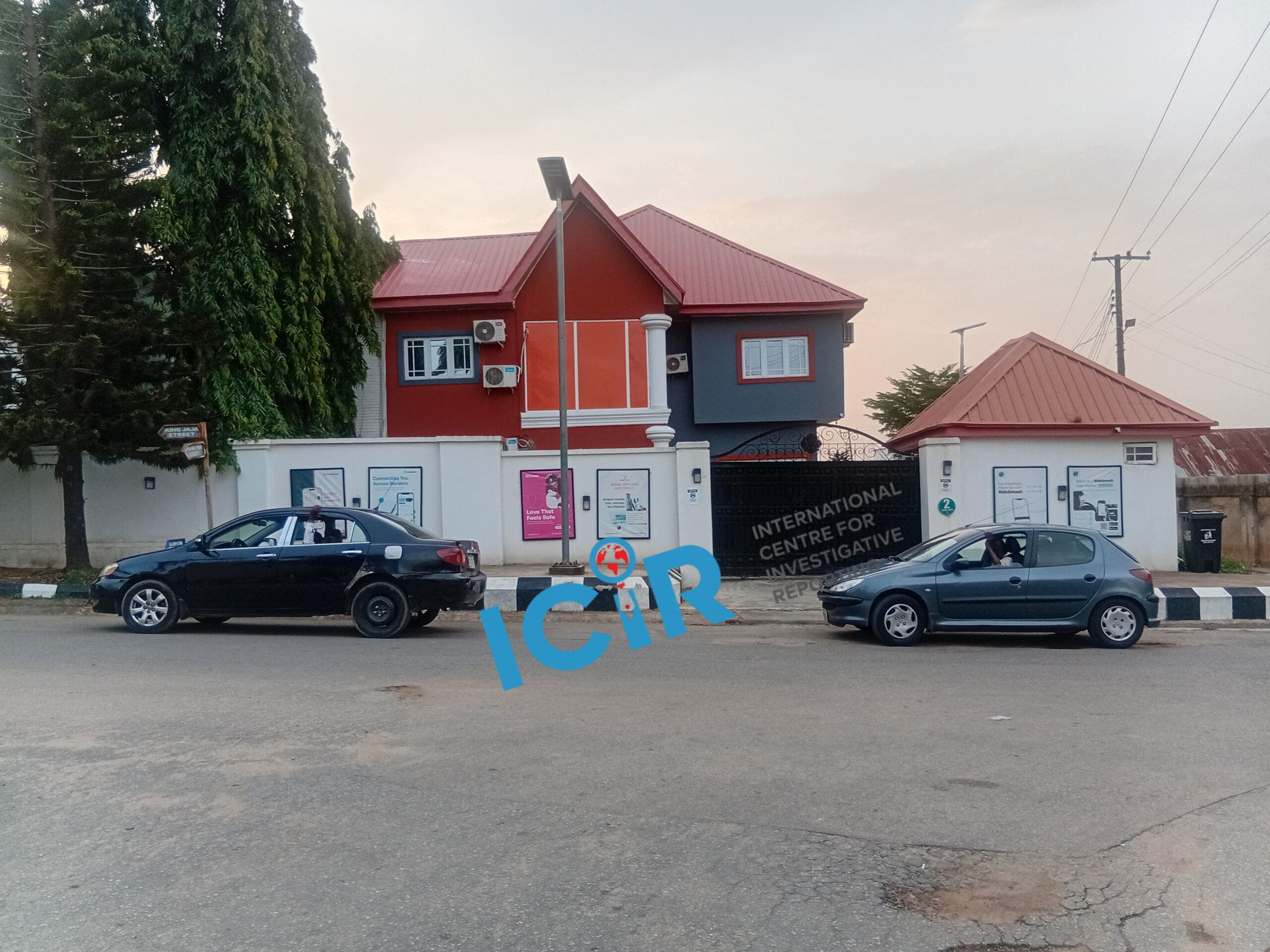
In December 2025, The Guardian Nigeria recognised Smith as one of the top 100 most innovative CEOs of 2025 in a publication titled: “The Guardian Special Focus on 100 top strategic CEO’s of Nigeria’s most transformative companies in 2025.”
Delayed payments
What happened to Bimbo was not an isolated case. Multiple investors, including Sola, who introduced her to the company, shared the same experience.
Sola said he invested N4 million at the beginning. “I opted for a monthly interest payment,” he said. After receiving N90,000 interest for October and November, he invested an additional N10 million in December 2020. By February 2021, like Bimbo, Sola, having invested N14 million, was hit with a deafening silence. His monthly returns had stopped, and now five years of calls, messages, and repeated office visits had yielded nothing.
“They stopped payments in February. I started calling Mr Paul. At some point, he was totally incommunicado. He would tell me he was kidnapped or that he was trying to reach out for my money. Sometimes I wouldn’t be able to reach him. Sometimes I would reach him, but it was one story or the other,” he explained.
Sola said Smith contacted him in 2024, offering a payment agreement of 1.5 million monthly to complete payment in March 2025, but didn’t keep up with the agreement. By 2025, Sola’s persistence paid off, noting that he was eventually paid N2.750 million. That remains the only payment he received from his N14m capital investment.
“I wrote him a message saying, you told me your business was bad. I stood by you all these years. I didn’t make any trouble. Now that it appears you are getting yourself back, shouldn’t you prioritise my payments? You didn’t do that. That was how he told a lawyer to write to me, officially. And the lawyer said that he’s no longer obliged to pay me any money,” he said.
The ICIR’s analysis of the payment agreement signed by Sola, Paul Smith and a witness on 15 July 2025 acknowledged that the company had defaulted on repayment obligations tied to investments made in September and December 2020.
The document admitted that the company owed Sola N14.58 million in unpaid capital and accrued interest.
To manage the debt, Smith proposed a repayment structure in the document from July 2025 to October 2026, stating that Sola was to receive instalments beginning with monthly payments of N500,000, then moving to N1 million tranches. But an email thread between the parties reviewed by this reporter revealed that Smith has not completed the payment.
To call off Sola’s bluff of reporting the matter to the EFCC, Smith responded in an email on May 11, 2026, that: “I note your repeated references to court action, EFCC involvement, and other regulatory escalations. If you genuinely believe you have a valid legal claim against me, I strongly advise you to proceed accordingly through the court of competent jurisdiction and allow the matter to be resolved based on facts, agreements, records, and the law.”
Similarly, other investors confirmed experiencing payment delays, shifting explanations and communication breakdowns. They claimed when concerns were raised, investors were repeatedly told the company was facing operational challenges, market downturns or liquidity problems. But as months passed without repayment, many alleged that the response from the company became increasingly irregular.
Some investors said their calls went unanswered for weeks, while messages sent through WhatsApp and SMS were ignored despite being delivered.
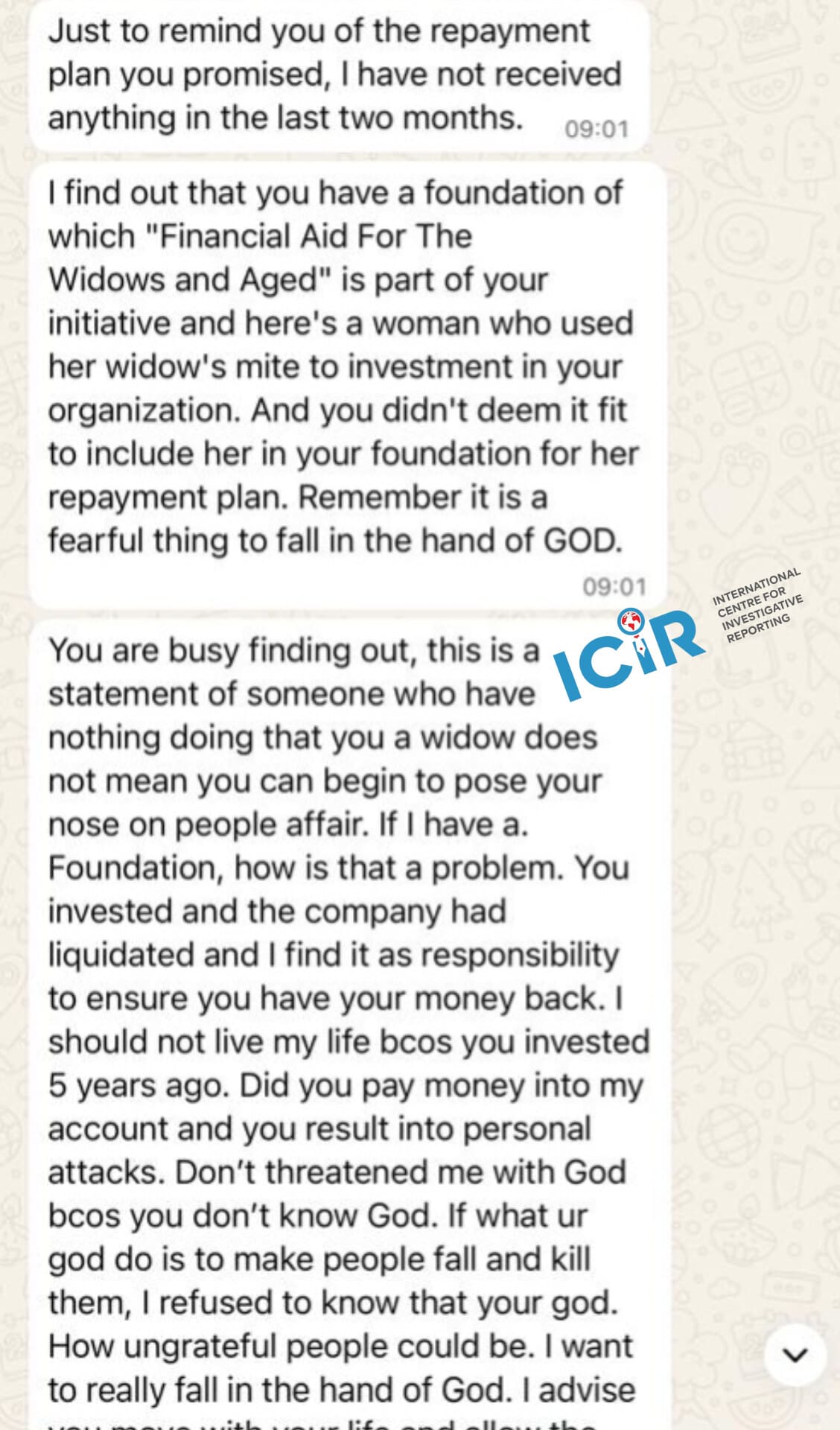
In one of the WhatsApp messages reviewed by this reporter, Shade, who identified herself as a widow, reminded Smith about an earlier repayment promise, noting that she was hurt after discovering online that he was allegedly associated with a charity initiative called “Financial Aid For The Widows and Aged.”
“Here’s a woman who used her widow’s mite to invest in your organisation, and you didn’t deem it fit to include her in your foundation for her repayment plan,” she wrote.
According to screenshots, Smith accused her of prying into his personal affairs and insisted that the company’s financial troubles did not prevent him from living his life.
He also defended himself by stating that the investor’s money was paid into the company’s account, not his personal account. He, however, maintained that he was still trying to ensure repayments were made.
But as complaints mounted on social media platforms listing SmashInvest as a Ponzi scheme, questions emerged about regulatory oversight.
In March 2025, the Economic and Financial Crimes Commission (EFCC) warned Nigerians against 58 companies allegedly operating illegal investment schemes without proper registration from the SEC or the Central Bank of Nigeria (CBN).
Although Smashinvest did not appear in the publicly circulated lists reviewed for this report, the crackdown highlighted a broader regulatory problem where companies allegedly collect investments from Nigerians while operating in grey zones between corporate registration and securities regulation.
The ICIR contacted the spokesperson of the anti-graft agency, Dele Oyewale, to find out the current mechanisms in place to monitor companies that promise unusually high investment returns online. He said he would call back, but he did not. Subsequent calls and WhatsApp messages to him were unanswered.
Owed salaries and commissions
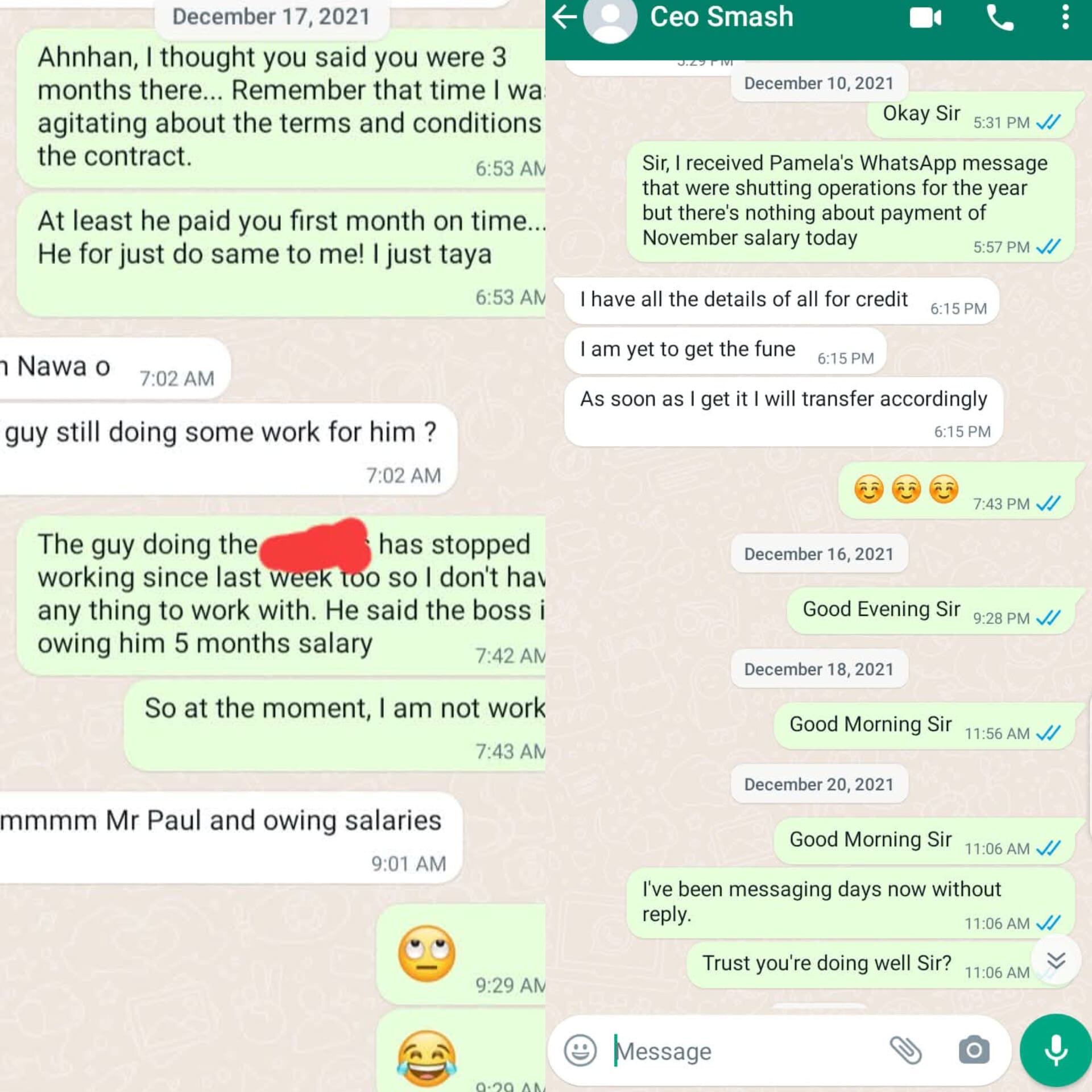
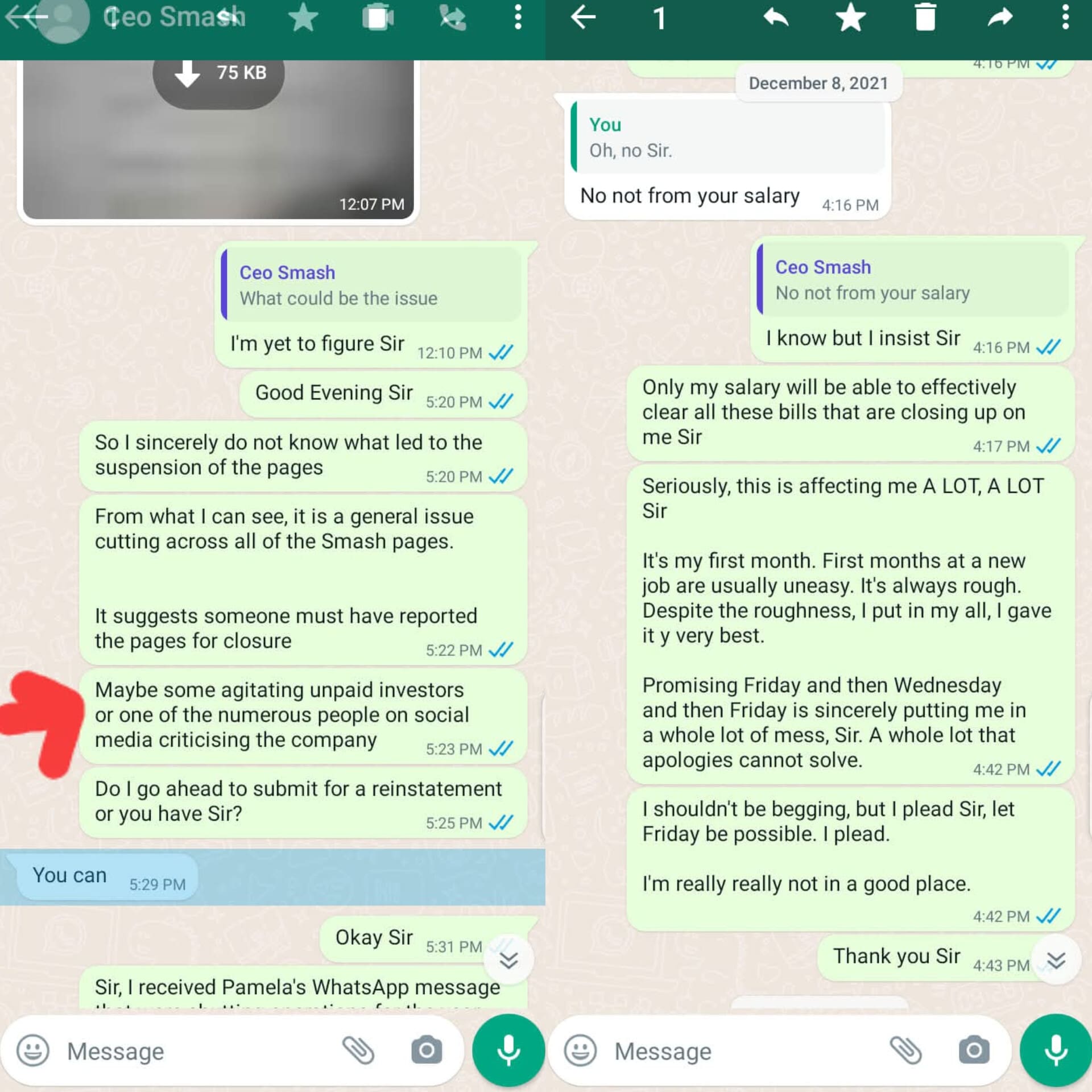
Some of the staff and riders who worked for Smashinvest in 2020 told The ICIR that the company was still owing them salaries, commissions, and hire-purchase payments.
According to screenshots of WhatsApp messages reviewed by this reporter, Smith responded angrily to some of the staff and threatened to lay a curse on them if they continued to contact him for payments.
“If after 8 years, you are calling for your salary that you abandoned the business at a slight issue with business. If you ever reach out to me about salary after 8 years, I will curse you because you deserve a curse rather than blessings. I will swear at you, and you will never recover from it,” the WhatsApp message allegedly from Smith stated.
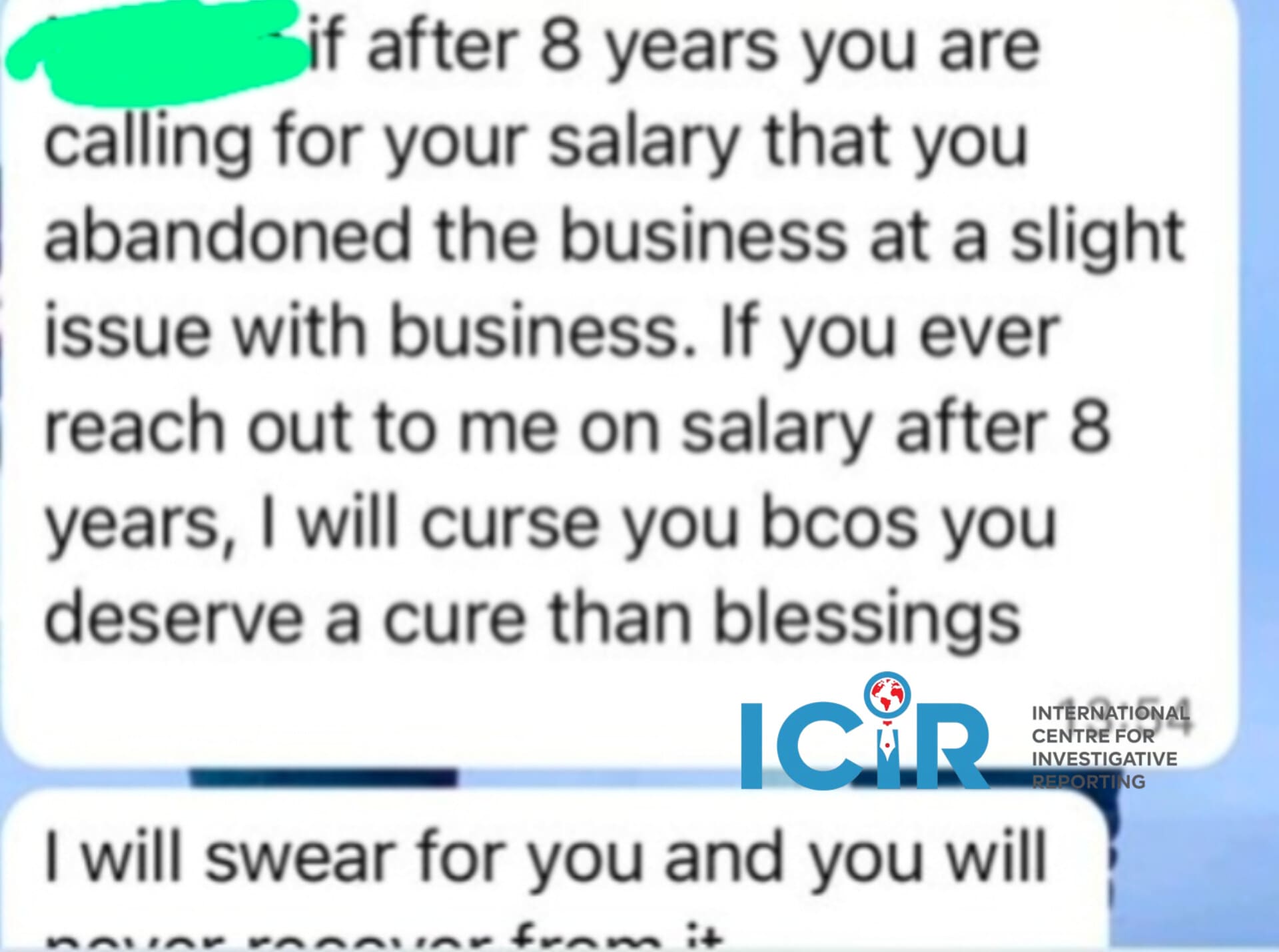
The exchange has become one of several examples cited by the former staff who claim that what began as formal work relationships gradually deteriorated into hostility, silence and emotional distress once repayment demands intensified.
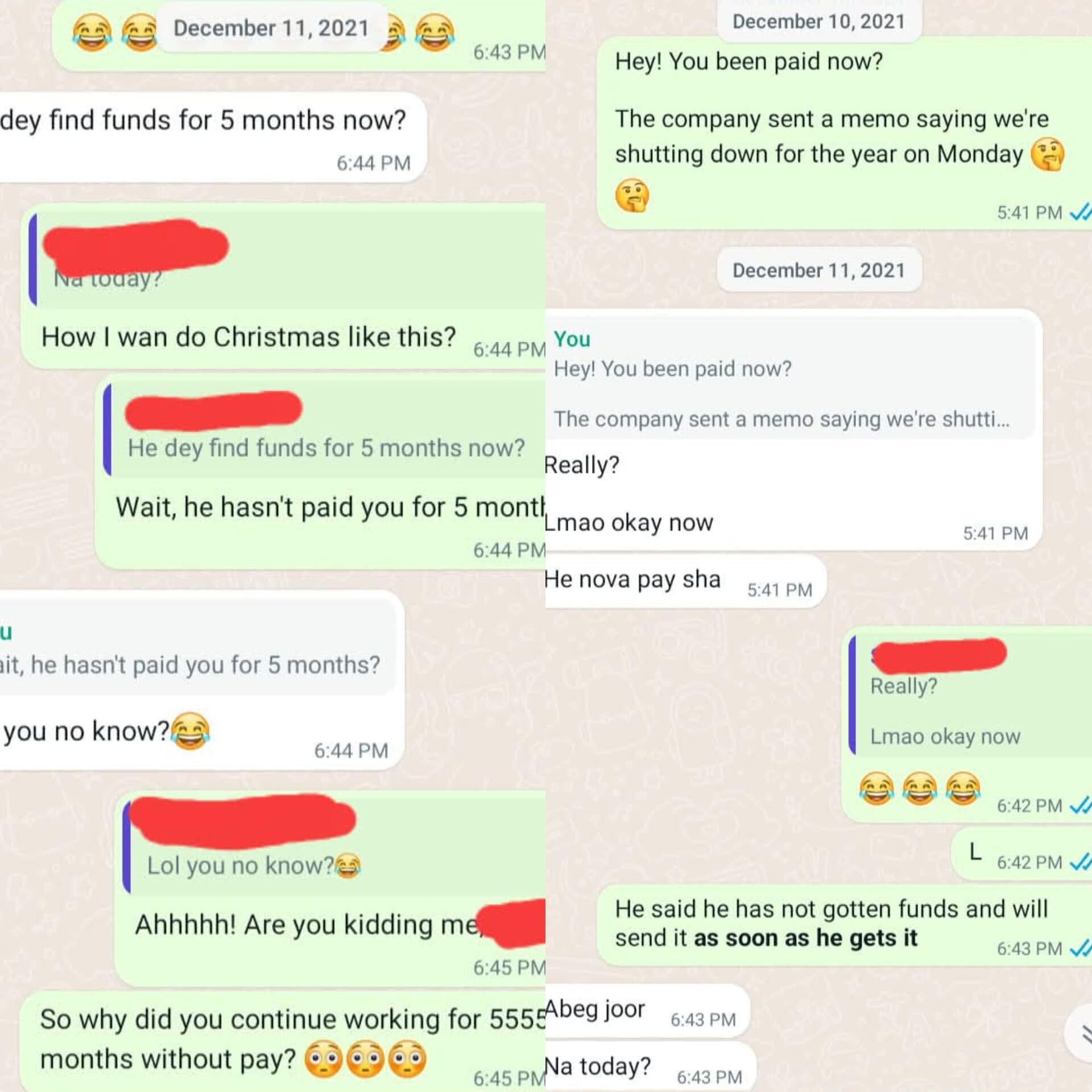
A former staff member reportedly sued the company and obtained judgment over employment-related disputes.
A judgment was delivered on 20 October 2022 by the National Industrial Court of Nigeria, Lagos Division, in Jennifer Ozinum Nwovike v. Smashinvest Integrated Services Ltd and Anor, with the suit Number NICN/LA/608/2019; the court sided with the claimant, who alleged wrongful termination, unpaid salary, and violation of her rights after working briefly for the company.
Jennifer Nwovike, a lawyer, claimed she was recruited in September 2019 by Smith to work in Lagos as his Personal Assistant on a monthly salary of N120,000. She had relocated from Port Harcourt to Lagos, where she served as legal officer and Human Resources officer.
Nwovike said that Smith became hostile after she declined to stay in his residence, and her employment was later terminated after she was accused of associating with a former employee who had been dismissed.
The judgment revealed that the defendants initially appeared in court but failed to properly defend the case and present witnesses, making Nwovike’s evidence unchallenged.
The court ordered Smith to pay Nwovike N240,000 covering her October 2019 salary, and one month’s salary in lieu of notice. He was also ordered to pay N250,000 as cost of litigation, and 10 per cent annual interest on the judgment sum from the date the suit was filed until full payment.
MBA forex collapse crippled my business- Smith
Paul Smith, the founder and Chief Executive of Smashinvest Integrated Services LTD, claimed he had liquidated the first investment Sola made when the ICIR contacted him for a response, admitting that he paid up to N250,000 of the second investment.
“He invested N14 million, and N4 million has been liquidated. He has been paid N4 million; the investments have been liquidated. The second investment, which is N10 million, part of it, N250,000 has been paid. So he’s left with N9.750,000. The last time I stopped paying was in October,” he said without stating when he plans to pay the remaining balance.
The CEO also claimed he paid Bimbo N600,000 and liquidated other investors, insisting that he cannot trace the evidence of payment when this reporter asked for receipts.
He denied operating a fraudulent investment scheme and blamed the company’s collapse on losses linked to MBA Forex, a controversial investment platform that triggered widespread complaints in Nigeria years ago.
Smith said his company lost N48 million after investing with MBA Forex, noting that the collapse crippled SmashInvest’s operations and forced the business to shut down.
“As we speak right now, Smash Investment has not been in business since 2020,” he said, without clarifying why he failed to inform investors that he was using their money for forex trading.
When this reporter asked about the observations from a recent visit to the company’s Abuja office, where Smash Invest branding allegedly remained visible on company materials and whether he has approval from the SEC to operate an investment business offering 30 per cent returns, Smith denied the investment arm was still operational.
“At the time we were doing that investment, the SEC regulation was not as strong as what we have now. Today I’m not doing any investments because I am not empowered to do that,” he explained.
Smith argued that the arrangements were private investments among individuals rather than public investment offerings, even though an investment expert said that collecting funds from multiple individuals with promises of returns may still trigger securities regulation requirements under Nigerian law.
“Smash technology is not receiving any investment. What we are looking for now is investors, not investments, because we understand that we need to go through regulation with the SEC,” he said.
Reacting to allegations from ex-staff, he admitted the company faced internal chaos as operations collapsed, alleging that staff abandoned offices, took company property and left amid the crisis.
Investors in limbo
Bimbo said that Smith only paid N300k in August 2025 after several calls and messages, but her investment and the remaining interest have not been paid, contrary to the N600k Smith claimed he paid her.
“It was last year, January, Paul Smith himself called me and was apologising that he would do something, and he drew a repayment plan of N100k monthly, which he only paid in March and April, and thereafter he stopped. He paid another one in August last year, making a total payment of N300k,” she said.
The widow said that the failed investment has affected her family, noting that “even when I chatted with him that my boy has gained admission, that I will need the money to fund his admission process, he didn’t respond to my chat. I leave him to God.”

Nanji is an investigative journalist with the ICIR. She has years of experience in reporting and broadcasting human angle stories, gender inequalities, minority stories, and human rights issues. She has documented sexual war crimes in armed conflict, sex for grades in Nigerian Universities, harmful traditional practices and human trafficking.



