

Education
IUCN chief: Protect Indigenous land rights to save global biodiversity – EnviroNews


– Advertisement –
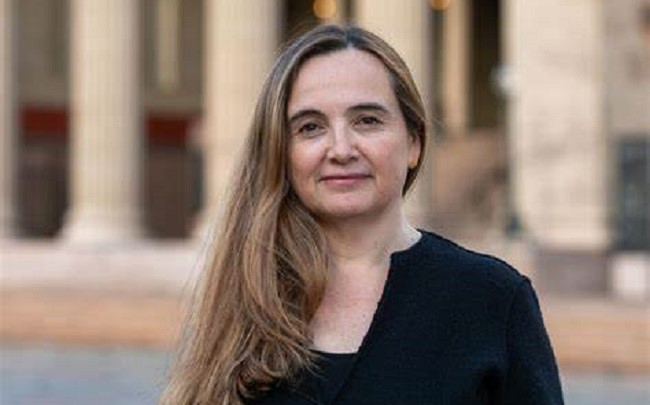
Commemorating the International Day of the World’s Indigenous Peoples on August 9, 2026, Dr. Grethel Aguilar, Director General of the International Union for Conservation of Nature (IUCN), issued a statement celebrating the central role Indigenous Peoples play in global biodiversity preservation.
Aligning with this year’s official UN theme – “Honouring Indigenous Midwives: Safeguarding Life and Well-being” – Dr. Aguilar highlighted how ancestral practices, such as traditional midwifery, embody a holistic philosophy where human health and ecological stewardship are inextricably linked.
The Sacred Link Between Midwifery and Earth Care
While Indigenous Peoples steward a significant share of the world’s most ecologically intact landscapes, Indigenous women hold distinct traditional knowledge crucial for both human survival and ecosystem resilience.
“Indigenous midwifery is a rich body of practices, lived and transmitted by Indigenous women, that safeguard the continuity of Indigenous life and well-being,” stated Dr. Aguilar. “It is deeply connected to conservation because it reflects a holistic way of understanding and nurturing life, in which the well-being of people and nature is one and the same.”
In many parts of the world, Indigenous midwives maintain community forests and cultivate herbal gardens to gather medicinal plants that assist with labour and postpartum recovery. These specialised techniques depend on a deep understanding of plant lifecycles, spiritual traditions, and ecosystem dynamics. According to the IUCN, the same values of respect, reciprocity, responsibility, and balance that guide a midwife caring for a mother and newborn also define how Indigenous communities steward lands, waters, and wildlife.
The “Third Pathway” to Global 30×30 Biodiversity Targets
Dr. Aguilar emphasised that global biodiversity targets – most notably the Kunming-Montreal Global Biodiversity Framework goal to conserve at least 30% of the Earth’s land, inland waters, and oceans by 2030 (the “30×30” target) – cannot be achieved without full recognition of Indigenous leadership.
The framework formally recognises Indigenous and Traditional Territories as a vital “third pathway” alongside national protected areas and other effective area-based conservation measures (OECMs). Reaching these ambitious environmental goals requires moving beyond token consultation toward deep engagement and formal recognition of territorial rights.
IUCN’s ongoing work through initiatives like the Podong Initiative, in collaboration with the International Indigenous Forum on Biodiversity (IIFB), focuses on supporting governments to embed Indigenous rights, contributions, and traditional knowledge directly into National Biodiversity Strategies and Action Plans (NBSAPs).
Institutional Momentum and Global Action
The Director General pointed to decadelong commitments reinforced at recent global summits, including the 2025 IUCN World Conservation Congress in Abu Dhabi. That congress saw the adoption of landmark resolutions focusing on:
- Indigenous leadership and sacred natural sites
- Preservation of Indigenous languages and cultural heritage
- Restorative justice frameworks for traditional communities
Closing her address, Dr. Aguilar urged the international community, funding institutions, and governments to translate recognition into concrete mechanisms.
Core Directives Urged by IUCN:1. Secure legal land, territory, and resource rights for Indigenous Peoples.2. Provide direct, accessible financing to community-led conservation efforts.3. Ensure fair and equitable benefit-sharing from traditional knowledge based on Free, Prior, and Informed Consent (FPIC).“Indigenous Peoples must be recognised and respected as central actors in biodiversity conservation and well-being of people,” Dr. Aguilar concluded, “with midwives serving as powerful examples of how traditional knowledge can be applied, preserved and passed on across generations.”




