Education
Lawmakers urged to expedite passage of Alcohol Control Bill to support NAFDAC enforcement exercise – EnviroNews
– Advertisement –
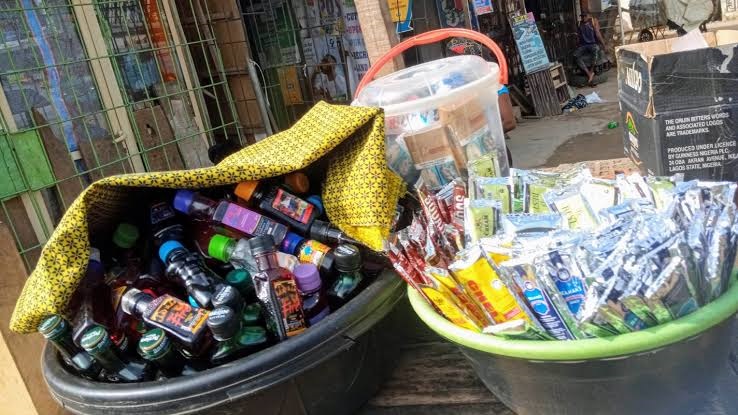
The Renevlyn Development Initiative (RDI) has urged the National Assembly to expedite passage of the National Alcohol Control Policy Bill to support the National Agency for Food and Drug Administration and Control (NAFDAC) in its nationwide enforcement of the ban on sale of alcoholic beverages packaged in sachets and polyethylene terephthalate (PET) bottles.
RDI made the demand as NAFDAC teams commenced enforcement of the ban on the products in Nigeria’s six geopolitical zones, in an exercise targeting markets, motor parks, retail outlets, bars and other distribution channels where it is identifying, seizing and removing the products from circulation.

The House of Representatives passed the Bill for an Act to Provide for the Control, Regulation and Reduction of Alcohol-Related Harm in Nigeria on May 7, 2026 for a second reading.
It targets the production, marketing, and consumption of alcohol to protect minors, and is sponsored by Oluwatimehin Adelegbe.
In a statement issued in Lagos, RDI said that the National Assembly has the complementary task of sustaining the ongoing efforts of NAFDAC in guaranteeing the protection of adolescents and the vulnerable from alcohol harm by speeding up their work and ensuring the passage of the Bill before the expiration of the 10th National Assembly.
RDI Executive Director, Philip Jakpor, said: “By matching words with action, NAFDAC has demonstrated its commitment to ridding the public space of harmful alcohol products and this would in turn improve public health outcomes especially among young people that the alcohol industry targets with their products. The National Assembly must no longer delay in playing it’s role.”
Beyond the enforcement of the ban, Jakpor said that the Federal Government must go a step further by fully implementing the World Health Organisation’s SAFER technical package which includes advertising bans.
The SAFER initiative promotes five high-impact strategies to help governments prevent and reduce alcohol harm and related health, social and economic consequences. They include strengthening restrictions on alcohol availability, advancing and enforcing drink driving countermeasures, and facilitating access to screening, brief interventions, and treatment.
It recommends enforcement of bans or comprehensive restrictions on alcohol advertising, sponsorship, and promotion, and encourages governments to raise prices on alcohol through excise taxes and pricing policies.
Jakpor disclosed that the NAFDAC enforcement exercise, if sustained, would cascade to households that would now prioritise channeling their income from alcohol to basic necessities like nutrition and child education.
“The ball is now in the court of the NASS. It must escalate work on the Bill so that the health and economic benefits of reducing underage drinking, youth addiction, and rising health burdens associated with alcohol would be met in a short time,” Jakpor recommended.

