Education
Niger Delta host communities seek ecological restoration of oil-polluted environment – EnviroNews
– Advertisement –
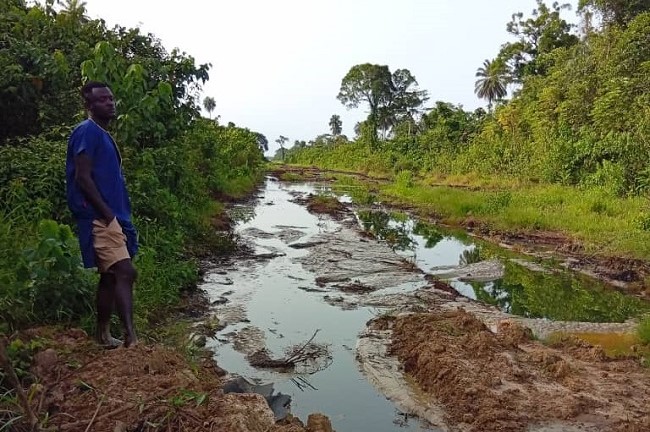
Oil-producing host communities in the Niger Delta have called for full ecological restoration of degraded lands and waterways to address impact of environmental damage and health challenges faced by the communities.
The communities made the call during a community network and assembly dialogue organised by Oilwatch International, a non-governmental organisation, in Port Harcourt, on Thursday, July 23, 2026.

The coordinator of the organisation, Mr. Kentebe Ebiarider, said the gathering signalled a shift from documenting environmental pollution to pursuing practical ecological restoration.
Ebiaridor, also the Programme Manager, Environmental Rights Action, said that the theme of the dialouge was “From Environmental Damage to Ecological Restoration: The Role of Host Communities in Reclaiming their Land.”
He said that while advocacy had exposed oil spills, gas flaring and other forms of pollution over the years, greater attention should be given to restoring ecosystems and rebuilding livelihoods.
According to him, the assembly provides an opportunity for affected communities to identify their environmental challenges and agree on measures to reclaim their environment.
He said discussions revealed emerging environmental concerns beyond oil spills and gas flaring, adding that the organisation would document the issues and recommendations to strengthen advocacy to government and relevant institutions.
Ebiaridor said the organisation would sustain engagement with affected communities despite concerns that environmental issues might receive less attention as political activities for the 2027 elections had gathered momentum.
Speaking also, Mr. Alagoa Morris, Chief Operating Officer, Environmental Conservation Agriculture and Rural Development (ECARD), said the assembly dialogue had been on for over 20 years of community-led monitoring of oil spills, gas leaks and gas flaring.
Morris said consistent documentation by volunteers and civil society groups had helped expose pollution incidents and encouraged greater public reporting of spills in the communities.
He urged communities to maintain proper records of spill locations, dates, photographs, videos and Joint Investigation Visit (JIV) reports to help strengthen remediation and restoration claims.
According to him, environmental justice goes beyond compensation and includes restoring degraded ecosystems so that communities can regain healthy land and water for sustainable livelihoods.
Mr. George Ibiso, one of the participants from Bille Kingdom in Degema Local Government Area of Rivers, said the community had continued to experience severe health challenges linked to gas leakage in the area.


Ibiso said that the leakage had resulted to pollution of their water, poor air quality and loss of fishing and farming activities.
Also the representatives of Obelle and Ibaa communities in Emohua Local Government Area decried years of environmental degradation and inadequate infrastructure despite the oil exploration in the area.
Delegates from Bayelsa and Enugu states reported flooding, renewed gas flaring and unusual environmental occurrences, which included bubbling from land and water bodies in some communities.
The participants resolved to strengthen community participation in environmental monitoring, improve documentation of pollution incidents and work with Oilwatch International to present a charter of demands to government and oil companies.
The communities set up and inaugurated a committee to sustain advocacy for ecological restoration across the Niger Delta.
The assembly attracted representatives from over 15 oil-bearing communities, environmental advocates and civil society organisations to develop community-led strategies for restoring degraded ecosystems.
By Precious Akutamadu