

Education
Nigeria needs $337bn to implement climate commitments by 2035, says NCCC – EnviroNews


– Advertisement –
Nigeria requires approximately $337 billion to implement its climate action commitments between 2026 and 2035, including mitigation and adaptation, necessitating international support, private investment and effective public financing.
Mrs. Omotenioye Majekodunmi, the Director-General (D-G), National Council on Climate Change (NCCC), said this at the inauguration of the National Steering Committee for the Implementation of Nationally Determined Contribution 3.0 (NDC 3.0), the Net-Zero Investment Plan and Nigeria’s Long-Term Low-Emissions Development Strategy on Thursday, October 22, 2026, in Abuja.
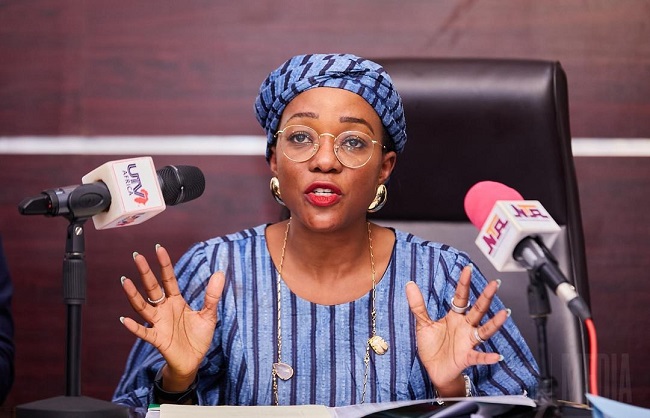
It was also an Official Launch and Socialisation of NDC 3.0.
She said that Nigeria’s NDC 3.0 targets a 32 per cent emissions reduction by 2035, supporting the country’s pathway towards net-zero emissions by 2060.
She stated that climate action must integrate into national development, address flooding, extreme heat and food insecurity and promote energy access, public health, job creation and resilience.
“The Interministerial Steering Committee will coordinate implementation, integrate climate priorities into budgets, mobilise finance, clarify institutional responsibilities and strengthen monitoring, reporting and accountability across government institutions and sectors.
She urged development partners, private investors, civil society and government agencies to support implementation through financing, technology transfer, capacity building and coordinated investments delivering measurable benefits nationwide.
Also speaking, Ms. Elsie Attafuah, UNDP Resident Representative, said that Nigeria’s NDC 3.0 commitments should guide public budgets, infrastructure planning and business decisions to promote clean energy, climate-resilient agriculture and sustainable economic growth.
She said that effective implementation required stronger coordination among ministries, states and local governments, supported by clear priorities, adequate financing and institutional capacity.
She added that prepared projects, credible business models and appropriate financing instruments would help attract public, private and international climate investments.
Attafuah said that UNDP supported Nigeria’s efforts to strengthen its carbon market through a national carbon registry, transparent accounting and credible measurement systems.
She emphasised that carbon markets must maintain environmental integrity and ensure fair benefits for participating communities.
Sen. George Akume, the Secretary to the Government of the Federation, said that Nigeria’s launch of NDC 3.0, Net Zero Investment Plan and long-term emissions strategy marked progress towards resilient, inclusive and sustainable economic development.

He said that climate commitments must guide government budgets, infrastructure, agriculture, energy and industrial policies, with institutions establishing clear responsibilities, measurable targets and accountability mechanisms to ensure effective implementation nationwide.
He stressed that implementing Nigeria’s climate ambitions required domestic and international financing, private-sector investment, concessional funding, technical assistance and stronger institutional capacity to develop and execute bankable climate projects.
Akume urged federal and state governments, development partners, businesses, researchers and civil society to collaborate in translating climate commitments into coordinated action, creating jobs, protecting vulnerable communities and improving Nigerians’ livelihoods.
Mr. Idi Maiha, Minister of Livestock Development, reiterated the Ministry’s commitment to climate action through collaboration with government institutions, development partners, state governments and other stakeholders to build a productive, sustainable and climate-resilient livestock sector.
The minister highlighted livestock’s role in food security, employment, poverty reduction and economic growth and called for urgent, coordinated action to address the growing impacts of climate change.
By Abigael Joshua



