Education
Nigeria seals deal to power millions of homes under global solar drive – EnviroNews
– Advertisement –
Nigeria has officially stepped up its green energy game, joining a cross-continental coalition of emerging markets and climate leaders to endorse the Global Rooftop Solar Declaration at the ongoing climate talks.
Announced in Antalya, Turkiye, the landmark move aligns Nigeria alongside Pakistan, Ethiopia, Kenya, and Palau. Together, these nations are backing the ambitious 300 Million Solar Homes initiative, a massive global campaign aiming to double the number of solar-powered households worldwide to 300 million by 2030.

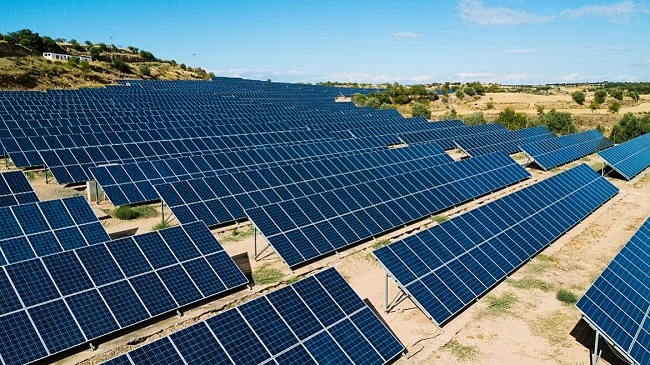
Breaking Down the Deal: What It Means for Nigeria
The declaration acts as a practical blueprint for countries looking to scale up household solar access. Key focus areas under the pact include:
- Cutting Red Tape: Streamlining complex permitting and grid-connection processes so installations happen faster.
- Affordable Finance: Lowering upfront costs and unlocking better household financing options for families.
- Green Jobs: Boosting local workforce development through expanded training, certification, and safety standards.
Ibrahim A. Shelleng, Senior Special Assistant to the President on Climate Finance & Stakeholder Engagement, emphasised that transitioning to clean energy is a direct lifeline for the national economy.
“A sustainable future cannot be built in isolation. By supporting global solar initiatives, we ensure that every community, regardless of geography, has access to reliable, affordable, and zero-emission power,” Shelleng stated.
He further noted that heavy investments in solar infrastructure will drive local job creation, slash long-term infrastructure overheads, and strengthen energy independence across the country.
The global campaign, championed by groups such as the Global Solar Council and Australia’s Solar Citizens, emphasises that distributed solar energy provides vital protection against global fuel shocks and volatile energy prices.
As Sonia Dunlop, CEO of the Global Solar Council, noted: “It took the world around 30 years to reach the first 150 million solar homes. We want to add the next 150 million in just four years.”
With Nigeria now on board, the administration is positioning distributed solar as a mainstream energy priority to ease grid pressures, bring down electricity bills for everyday citizens, and secure long-term climate resilience.