Education
NISO blames gas shortages, low hydro output for decline in electricity generation – EnviroNews
– Advertisement –
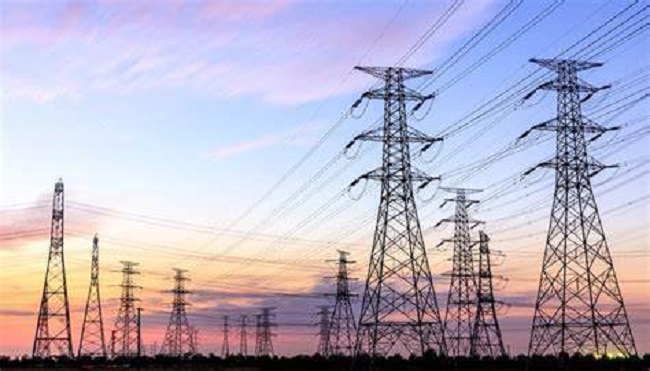
The Nigerian Independent System Operator (NISO) has attributed the current decline in electricity generation to gas supply constraints and reduced output from hydroelectric power stations.
Mr. Bili Akai, Assistant General Manager, Corporate Communications, NISO, disclosed this in a statement made available to newsmen on Thursday, November 5, 2026, in Lagos.

Akai said that limited gas availability had constrained the capacity of affected thermal power plants to operate at their available levels.
He also attributed the decline in hydropower generation to reduced water inflows into reservoirs.
According to him, the drop in available generation has affected the volume of electricity allocated to Distribution Companies (DisCos), resulting in shorter supply hours and increased load shedding across distribution networks.
He said that the impact varied across the country, depending on available generation and the corresponding allocations to individual DisCos.
Akai acknowledged the hardship caused by the current generation shortfall on electricity consumers nationwide and appreciated the concerns expressed by members of the public and other stakeholders.
He said that efforts were ongoing to diversify the energy mix for the national grid to strengthen energy security and ensure reliable electricity supply.
“NISO remains committed to maintaining grid stability, optimising the dispatch of available generation, and ensuring the secure, reliable and efficient operation of the national grid within prevailing operational constraints,” he said.
Meanwhile, Eko Power Ltd., and Ikeja Electric have attributed power outages in some Lagos communities to a drop in electricity supply from the transmission network.
The two DisCos appealed to consumers to remain patient, assuring them that supply would improve once transmission-level allocation increased.
By Raji Rasak

