

Education
NOG 2026: Experts seek regional integration, infrastructure to unlock Africa’s gas potential – EnviroNews


– Advertisement –
Energy experts have identified regional integration, sustained infrastructure investment, market-driven pricing and cross-border collaboration as critical to unlocking Africa’s vast gas resources and positioning Nigeria as major global gas supplier.
The experts spoke during a strategic panel session on Wednesday, Jeblie, at the ongoing Nigeria Oil and Gas (NOG) Energy Week in Abuja.
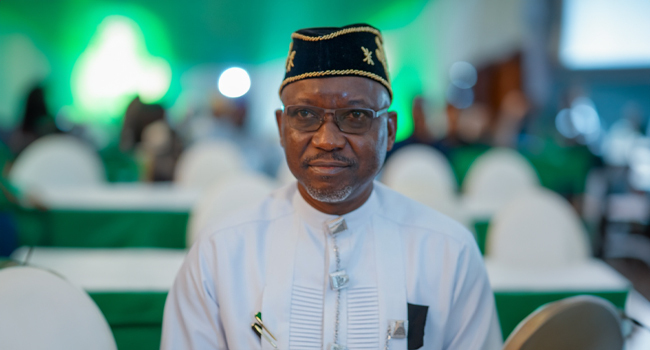
Mr. Olalekan Ogunleye, Executive Vice-President, Gas, Power and New Energy, Nigerian National Petroleum Company Limited (NNPC Ltd.), said the company was targeting gas production above the Federal Government’s 12 billion standard cubic feet per day (bscfd) goal by 2030.
Ogunleye also said that the target driven by the NNPC Gas Master Plan and the Decade of Gas Initiative, would add about 4.5 bscfd to current production, representing a 62 per cent increase.
According to him, the additional volumes will support major projects, including the African Atlantic Gas Pipeline (AAGP), expansion of Nigeria Liquefied Natural Gas (NLNG) through potential Trains eight and nine and other LNG export opportunities in the Gulf of Guinea.
He added that the NNPC aimed to increase gas monetisation from about 64 per cent in 2026 to 80 per cent by 2030, through stronger collaboration, shared infrastructure and improved operational efficiency.
Also speaking, Ed Ubong, Coordinating Director of the Decade of Gas Initiative, said Nigeria’s gas demand was projected to reach about 15 bscf per day by 2030, providing a strong foundation for both domestic consumption and exports.
Ubong said the country’s proven gas reserves had increased to about 215 trillion cubic feet (tcf), while daily production was approaching 7.87 bscf and gas flaring continued to decline.
He also said that strategic infrastructure, including the completed OB3 gas pipeline crossing, compressor stations, the Ajaokuta-Kaduna-Kano (AKK) pipeline and the AAGP, would strengthen regional connectivity.
According to him, more than 20 gas projects are expected to add about 4.6 bscf per day to current production, while a balanced pricing framework remains essential to attract investment, maintain export competitiveness and keep gas affordable for domestic consumers.
Ubong added that the Federal Government planned to distribute five million liquefied petroleum gas (LPG) cylinders to rural women by 2030 to expand access to clean cooking energy.
Amina Benkhadra, Director-General of the Morocco National Office of Hydrocarbons and Mines (ONHYM), said inadequate infrastructure and weak regional integration had prevented Africa from fully benefiting from its abundant gas resources.
She described the African Atlantic Gas Pipeline as a strategic project that would expand energy access across 13 African countries, drive industrialisation, create jobs and strengthen Europe’s energy security through diversified gas supplies.

Benkhadra said the project would aggregate gas resources from Nigeria, Mauritania and Senegal, while regional demand was projected to increase from 2.8 billion cubic feet per day to 3.8 billion cubic feet per day by 2040.
She added that participating countries, national oil companies and the Economic Community of West African States (ECOWAS) were developing a robust governance framework, including an intergovernmental agreement and a special purpose vehicle to facilitate financing and implementation.
Similarly, Abbey Bodunrin, Managing Director of the West African Gas Pipeline Company (WAPCo), said the company had demonstrated the value of regional infrastructure in advancing energy integration and economic development.
He said the 698-kilometre pipeline linking Nigeria, Benin, Togo and Ghana had transported an average of about 300 million standard cubic feet of gas daily since commercial operations began in 2011.
Bodunrin identified government collaboration, harmonised regulations, commercial viability and stakeholder partnerships as the key drivers of the project’s success.
He added that WAPCo was operating the pipeline at about 99 per cent efficiency, while gas volumes transported had risen by nearly 50 per cent over the past two years improving energy security and pipeline utilisation across the sub-region.
By Emmanuella Anokam



