

Education
Six months on from Hormuz closure, ‘fossilflation’ is hitting households worldwide, group warns – EnviroNews


– Advertisement –
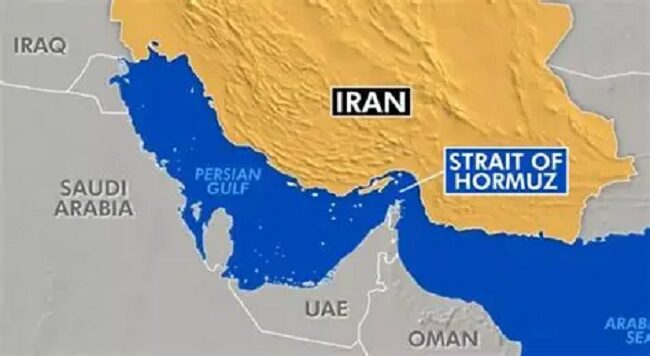
Six months since the closure of the Strait of Hormuz sent shockwaves through global energy markets, environmental campaign group, 350.org, is warning that households around the world are paying the price of continued dependence on volatile fossil fuels.
The Strait of Hormuz is a critical global energy chokepoint, carrying roughly a quarter of the world’s seaborne oil and a fifth of its LNG.
According to the World Bank, oil and gas price shocks rose global expected inflation up from 3.3% in 2025 to 4% in 2026.
Food prices were among the most affected by fossilflation, with food prices increasing 5% in the first two months after the start of the Iran war, with vegetable oil and agricultural meal jumping 10% over the same period.
According to 350.org analysis rising oil and gas prices alone will siphon up to $1 trillion out of businesses, households and public budgets by the end of 2026.
The impacts have extended far beyond energy markets. Higher oil and gas costs feed into the price of transporting, producing and distributing food and other everyday goods, meaning a geopolitical shock thousands of miles away can show up in household budgets from Jakarta to São Paulo, Paris to Pittsburgh. 350.org is calling this phenomenon “fossilflation,” inflation driven or amplified by dependence on fossil fuels and the volatile global markets and infrastructure needed to supply them.
Andreas Seiber, Head of Policy at 350.org, said: “Fossilflation is what happens when a crisis in one waterway becomes a higher bill for families around the world. Within the first month of the Iran war, we estimated that more than $100 billion had already been siphoned from consumers and businesses to oil and gas companies through higher energy prices. Six months on, families are still paying the price. There is nothing secure or affordable about an energy system that enriches fossil fuel companies while exposing everyone else to geopolitical shocks. The way out is to get off fossil fuels.”
João Cerqueira, 350.org Brazil Country Manager, said: “In Brazil, a rise in global oil prices doesn’t stop at the petrol pump. Higher fuel costs push up the price of transporting food and everyday goods, adding pressure to families already facing a high cost of living. These global shocks also feed the inflation that keeps interest rates high – currently at 14% a year – making credit more expensive for every family and business. This is fossilflation, and it makes clear why we need energy that is affordable and protected from global fossil fuel shocks.”
Fanny Petitbon, 350.org France Country Manager, said: “There is something obscene about fossil fuel companies like TotalEnergies pocketing record profits without paying any extra taxes on them while French families can’t pay their bills. Since January, gas prices have jumped by 27% for households heating with gas, petrol has climbed past 2 euros per litre. Nobody priced this into pay talks so wages are standing still, purchasing power is shrinking and the gap keeps widening.
“Fossil fuel prices don’t just rise, they spread into transportation and food costs, and literally every corner of a French family’s budget. Six months after Hormuz, one thing is clear: fossil fuel dependence is not just a climate problem anymore, it is an affordability crisis. In the upcoming 2027 Finance bill debate, the government and parliamentarians must have the courage to make those who fuel both crises pay, to unlock billions of Euros to support French families.”
Sisilia Nurmala Dewi, 350.org Indonesia Manager, said: “With continued disruption at the Strait of Hormuz, our estimates show that Indonesians stand to lose $13 billion by the end of the year. The state budget is already absorbing it. Indonesia spent Rp 233 trillion on energy subsidies and compensation in the first half of 2026 alone, up 44 percent year on year, with our Finance Ministry pointing to oil prices as the cause
“This isn’t just a number: it’s public money that could’ve gone to protect families but went to the pockets of oil companies instead. Indonesia can still turn this crisis into opportunity. It must build an energy system around its abundant renewable resources, rather than leaving its budget and its people exposed to volatile fossil fuel markets.”
Fenton Lutunatabua, 350.org Pacific and Caribbean Program Lead, said: “When fossilflation hits one Pacific country, it impacts the other island nations around it. Fiji’s potential $45 million oil hit is currently pushing up inflation, food costs and transport costs, especially for maritime communities.

“But the volatility is also impacting our neighbours, as fuel supplies come through Fiji to reach countries like Tonga, Tuvalu, Kiribati and Nauru. We know that fossil fuel dependence has brought the climate crisis to our shores, and it is clearer than ever that it is bringing economic hardship too. We deserve energy independence, and systems that don’t fill the pockets of oil tycoons at our expense.
Ruth Agala, Regional Organiser for 350 East Africa, said: “While international oil corporations record windfall profits from geopolitical instability, countries like Kenya are forced to pay the price. A projected $800 million loss means more pressure on household budgets and vital public funds being drained from our economy.
“As fuel costs ripple through transport, food and agriculture, Kenyan families feel the impact in their daily lives. This is a stark reminder that importing fossil fuels leaves us dangerously exposed to global shocks. Kenya must accelerate the shift to affordable, locally generated renewable energy and build an economy that is resilient, not hostage to volatile oil markets.”
The Hormuz crisis is an ongoing example of how vulnerable the global fossil fuel system is to geopolitical conflict and disruption. Similar risks exist around other strategic chokepoints, including the Bab el-Mandeb and Panama Canals, where disruption can affect energy, trade and food supply chains.
350.org is calling on governments to accelerate the transition away from oil and gas through electrification, renewable energy and energy efficiency, while ending new long-term fossil fuel infrastructure and contracts. A clean energy system built around locally available renewable resources can reduce exposure to volatile global fuel markets while lowering energy costs and strengthening energy security.



