

Education
How heatwaves are driving global health, cost-of-living crisis – Report – EnviroNews


– Advertisement –
A newly released global report by Adelphi Global warns that climate change has escalated into an immediate crisis, with surging temperatures and relentless heatwaves severely undermining public health, individual livelihoods, and household finances worldwide. The study establishes a direct correlation between heat-induced medical conditions and escalating household financial distress by evaluating data across eight nations: Bangladesh, Brazil, France, India, Indonesia, Italy, Nigeria, and South Africa.
Driven by human activity, extreme heat is growing more frequent and intense, with scientists projecting conditions to deteriorate sharply by 2030 and beyond. The physical ramifications span from dehydration, dizziness, and heat exhaustion to debilitating ailments like kidney disease and life-threatening heat strokes. These health challenges directly impair economic well-being by causing lost productivity, reduced wages, and increased medical expenditures, thereby compounding the hardships of vulnerable communities.
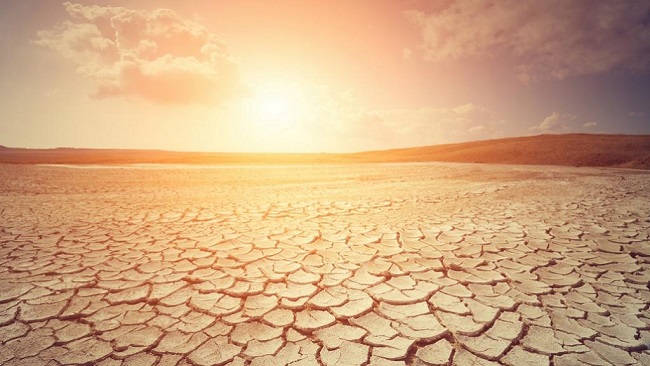
Labourers in climate-exposed industries, particularly agriculture and construction, endure the most severe consequences. In nations such as Bangladesh, India, Indonesia, and Nigeria, workers lose at least 20 working days annually due to heat exhaustion and diminished physical capacity. This results in severe income reductions for families dependent on daily wages, while simultaneously driving up out-of-pocket healthcare costs.
Extreme heat, described as one of the deadliest consequences of climate change, is becoming more frequent and intense due to human activity. While many regions have historically experienced high temperatures, climate change is amplifying the severity and duration of heatwaves, with scientists warning that conditions are expected to worsen significantly by 2030 and beyond.
Health impacts range from dehydration, dizziness and heat exhaustion to more severe conditions such as kidney disease and life-threatening heatstroke. These health risks often translate into lost productivity, reduced income and increased healthcare spending, creating additional economic hardship for already vulnerable populations.
According to the report, workers in climate-sensitive sectors such as agriculture and construction are among the hardest hit. In Bangladesh, India, Indonesia and Nigeria, many workers lose the equivalent of 20 or more working days each year due to heat-related illness and reduced work capacity, resulting in significant income losses for households that often rely on daily wages.
The report notes that the financial burden extends beyond lost earnings. Rising out-of-pocket medical costs associated with treating heat-related illnesses are placing additional strain on families, particularly in countries where social protection systems remain limited. Even in higher-income countries such as France, Italy, Brazil and South Africa, where fewer working days are lost, extreme heat continues to carry substantial economic consequences. The report estimates that heat-related illnesses and deaths
Nigeria is identified as one of the countries facing some of the most severe combined impacts. High rates of lost working days, growing healthcare costs and limited social safety nets are increasing the risk that more households could fall below the poverty line.
Researchers argue that while the relationship between climate change, health and national economies is increasingly recognised, the financial impacts on individuals have received far less attention. The report seeks to address that gap by examining how declining incomes and rising health-related expenses interact to weaken household resilience over time.
The findings highlight the urgent need for governments to strengthen heat adaptation measures, improve occupational protections for workers, expand access to affordable healthcare and invest in social protection systems capable of shielding vulnerable populations from climate-related economic shocks.
As climate change accelerates, the report warns that extreme heat is likely to become an even greater public health and economic challenge, making coordinated policy responses increasingly urgent.




