

Education
El Niño: Experts warn of heat-related illnesses, disease risks – EnviroNews


– Advertisement –
Public health physicians have warned that El Niño-related weather changes could increase Nigerians’ risk of heat-related illnesses, waterborne diseases and malnutrition.
El Niño is a natural climate phenomenon characterised by unusually warm sea-surface temperatures in the central and eastern tropical Pacific Ocean, which can influence weather patterns worldwide.
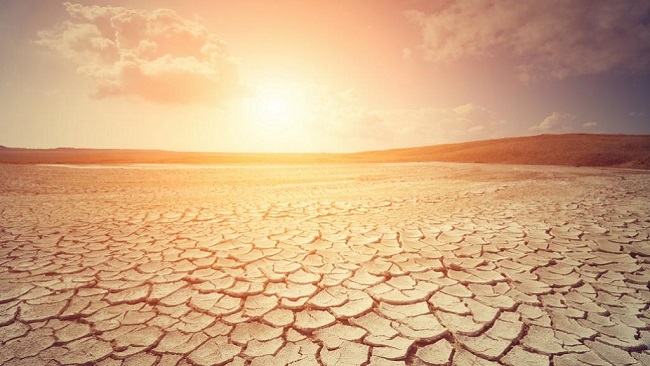
The World Health Organisation, on Aug. 12, webinar, identified heat-related illnesses, waterborne and vector-borne diseases, malnutrition and disruptions to essential health services among the potential health risks associated with El Niño.
The Nigerian Meteorological Agency, in its 2026 Seasonal Climate Prediction, presented in Abuja on Feb. 10, forecast above-normal temperatures across most parts of Nigeria, alongside variations in rainfall patterns.
Dr. Yetunde Odusolu, Consultant, Public Health Physician, Ikorodu General Hospital, Lagos, in an interview with the News Agency of Nigeria, said prolonged heat could cause dehydration, heat exhaustion, heatstroke, cardiovascular strain and kidney complications.
She explained that changes in temperature, rainfall and humidity could affect mosquito breeding patterns, potentially increasing or decreasing malaria transmission in different locations.
The physician said that flooding could contaminate drinking water and food supplies, increasing the risk of cholera, acute watery diarrhoea and other waterborne diseases.
She added that prolonged dry spells and water shortages could reduce crop production, increase food prices and worsen malnutrition, particularly among children and pregnant women.
“Infants, young children, older adults, pregnant women and people with chronic illnesses are particularly vulnerable to extreme heat and its associated health complications,” she said.
Odusolu advised Nigerians to drink adequate safe water, wear lightweight clothing, improve indoor ventilation and reduce strenuous outdoor activities during the hottest periods of the day.
“Heatstroke is a medical emergency, especially when a person develops confusion, collapse or altered consciousness. Seek emergency care immediately and begin safe cooling while help is arranged,” she said.
She urged employers to provide drinking water, shaded resting areas and regular breaks for outdoor workers, including farmers, market traders, construction workers and sanitation workers.
The physician called on the Federal Government to strengthen climate forecasting, disease surveillance, emergency preparedness and nutrition programmes to protect vulnerable communities from climate-related health risks.

She also urged the Lagos State Government to improve drainage, ensure access to safe water, establish heat-health alerts and strengthen healthcare facilities’ preparedness for disease outbreaks.
Sharing similar sentiments, Dr. Naomi Dongo, Medical Officer and Director of Advocacy, Cancer Advocacy Nigeria, said El Niño could influence global temperatures and rainfall patterns, with varying effects across regions.
She said extreme heat could cause heat exhaustion, dehydration and potentially fatal heatstroke, while worsening existing cardiovascular, kidney, diabetic and respiratory conditions.
“Ultimately, the people with the fewest resources to protect themselves are often the ones who experience the greatest health consequences,” she said.
Dongo said that children under five, older adults, pregnant women, people with chronic illnesses and outdoor workers were particularly vulnerable to extreme heat.
She advised people to drink water regularly, reduce outdoor activities during the hottest periods, wear lightweight clothing and seek shade or cooler environments.
She said that prolonged dry spells could reduce agricultural productivity, increase food prices and make nutritious meals less affordable, worsening malnutrition among vulnerable groups.
“Water shortage can make households obtain water from unsafe sources, increasing the risk of diarrhoeal diseases,” she said.
Dongo said that flooding could contaminate water sources with sewage, faecal matter and refuse, facilitating cholera and other diarrhoeal diseases.
She urged governments to strengthen early-warning systems, healthcare facilities, safe water supply, sanitation and drainage infrastructure to protect vulnerable communities.
She said that preparedness should be adequately funded, coordinated and evaluated to prevent avoidable illnesses, protect livelihoods and ensure vulnerable populations could access essential services during extreme weather.
Another public health physician, Dr Lilian Ochayi, warned that prolonged heat linked to El Niño could cause dehydration, heatstroke and worsen existing illnesses.
Ochayi, Public Relations Officer, Association of Public Health Physicians of Nigeria, Lagos Chapter, said changes in rainfall could also increase flooding, water contamination and infectious diseases.
She said that prolonged dry spells could affect food production, increase food prices and worsen malnutrition, particularly among children and pregnant women.
According to her, infants, older adults, pregnant women, people with chronic illnesses and outdoor workers are particularly vulnerable to extreme heat.
“Early preparation, reliable public information and protection for our most vulnerable populations can prevent illness and save lives,” she said.
Ochayi urged governments to strengthen early warning systems, disease surveillance, flood preparedness, access to safe water and public education to protect vulnerable communities.
By Catherine Egwuom



