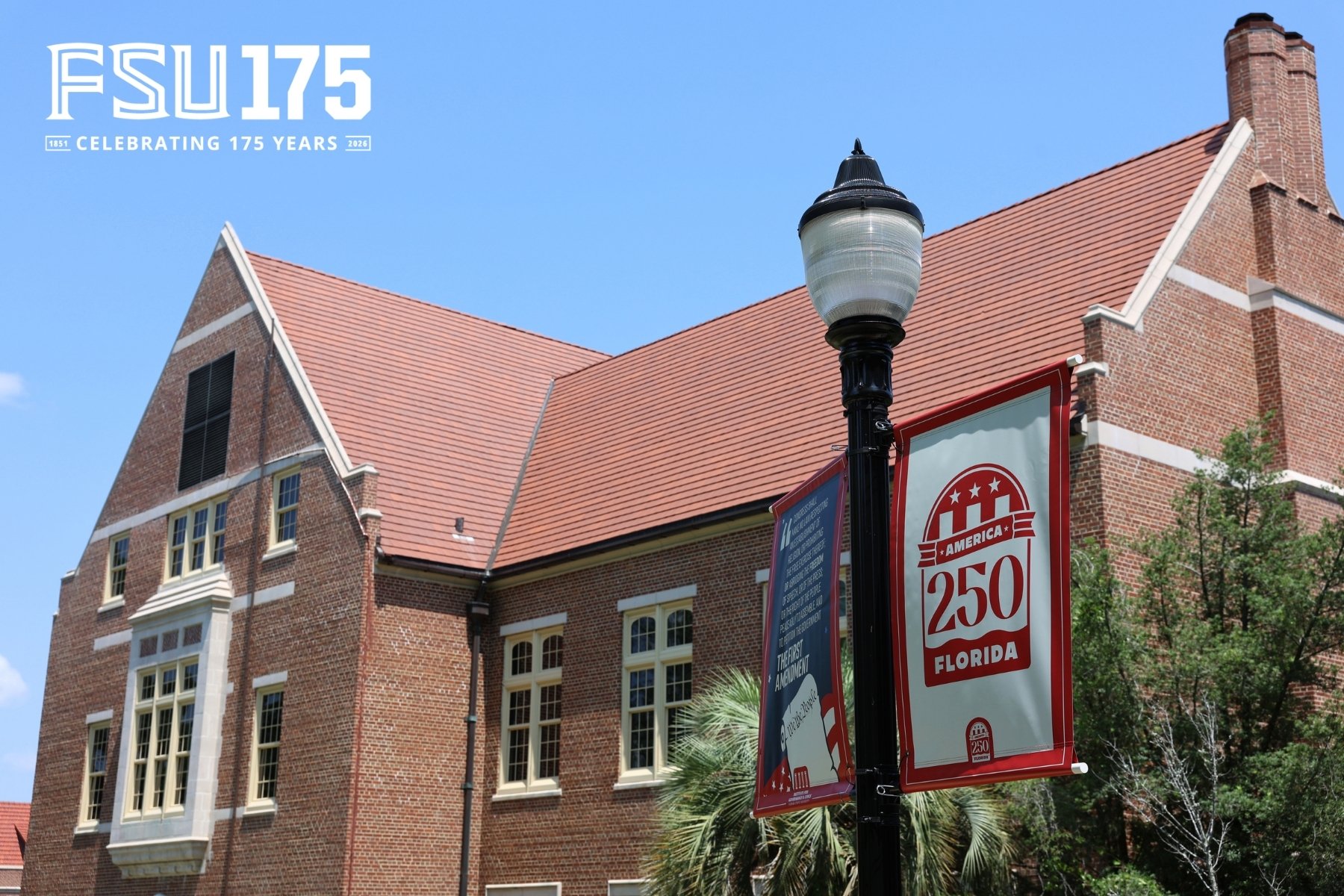
As Florida State University celebrates its 175th anniversary, the milestone coincides with the national observance of America 250, offering an opportunity to reflect on how the university’s history has unfolded alongside that of the United States.
Since its founding, FSU’s evolution from a regional seminary into a preeminent public research institution has been closely connected to many of the defining events and transformations that shaped the nation.
Generations of students, faculty and alumni have experienced moments influenced by national policy, wartime demands, social change and scientific discoveries.
“As our nation approaches its 250th birthday, Florida State can say we have been part of the American story for most of it,” President Richard McCullough said during FSU’s 175th birthday kickoff event in January. “We have grown alongside this country. We have helped educate its leaders, its teachers, its artists, its scientists and its public servants.”
The foundation of FSU
As the young nation embraced the belief that education is essential to democracy, early academic institutions began emerging across the country. This movement laid the groundwork for Florida, where the university’s origins date back to 1851, when the Florida Legislature established two seminaries of learning and selected Tallahassee as the site for the western institution.
These seminaries were designed to provide normal school training for future teachers alongside a traditional liberal arts education for the state’s youth.
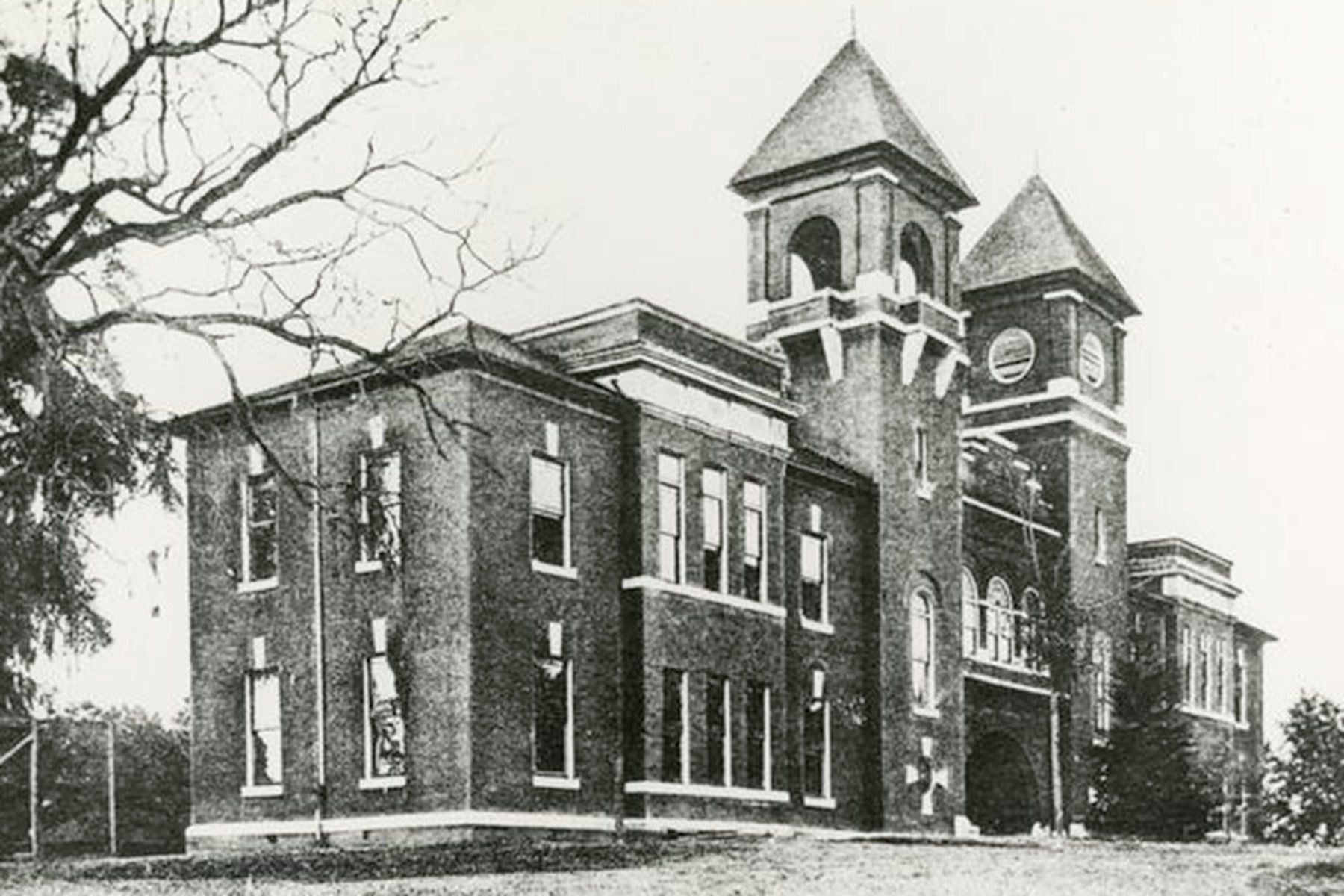
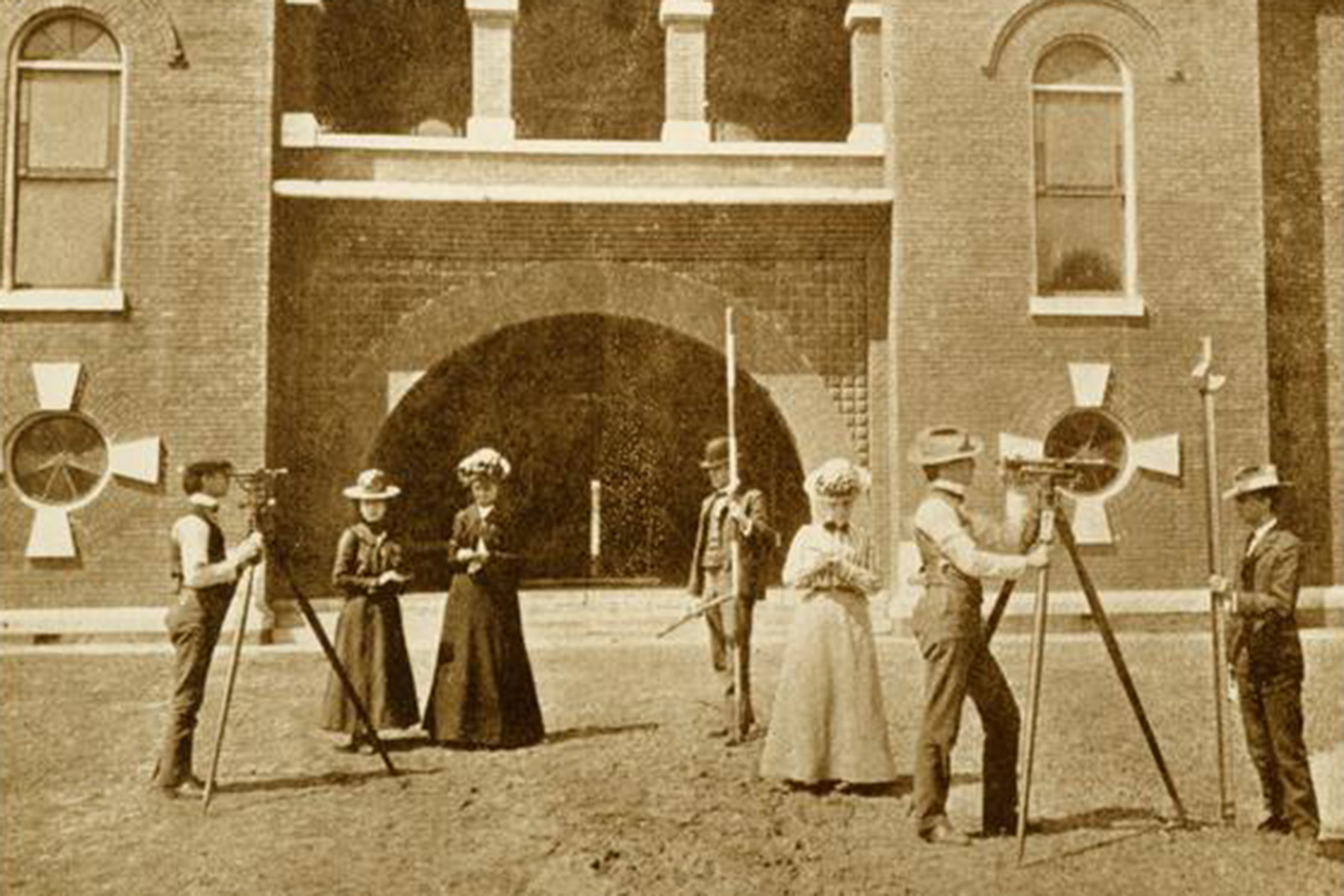
The West Florida Seminary opened for classes in 1857 on the hill where the Westcott Building now stands. The site is the oldest continuous location of higher education in the state.
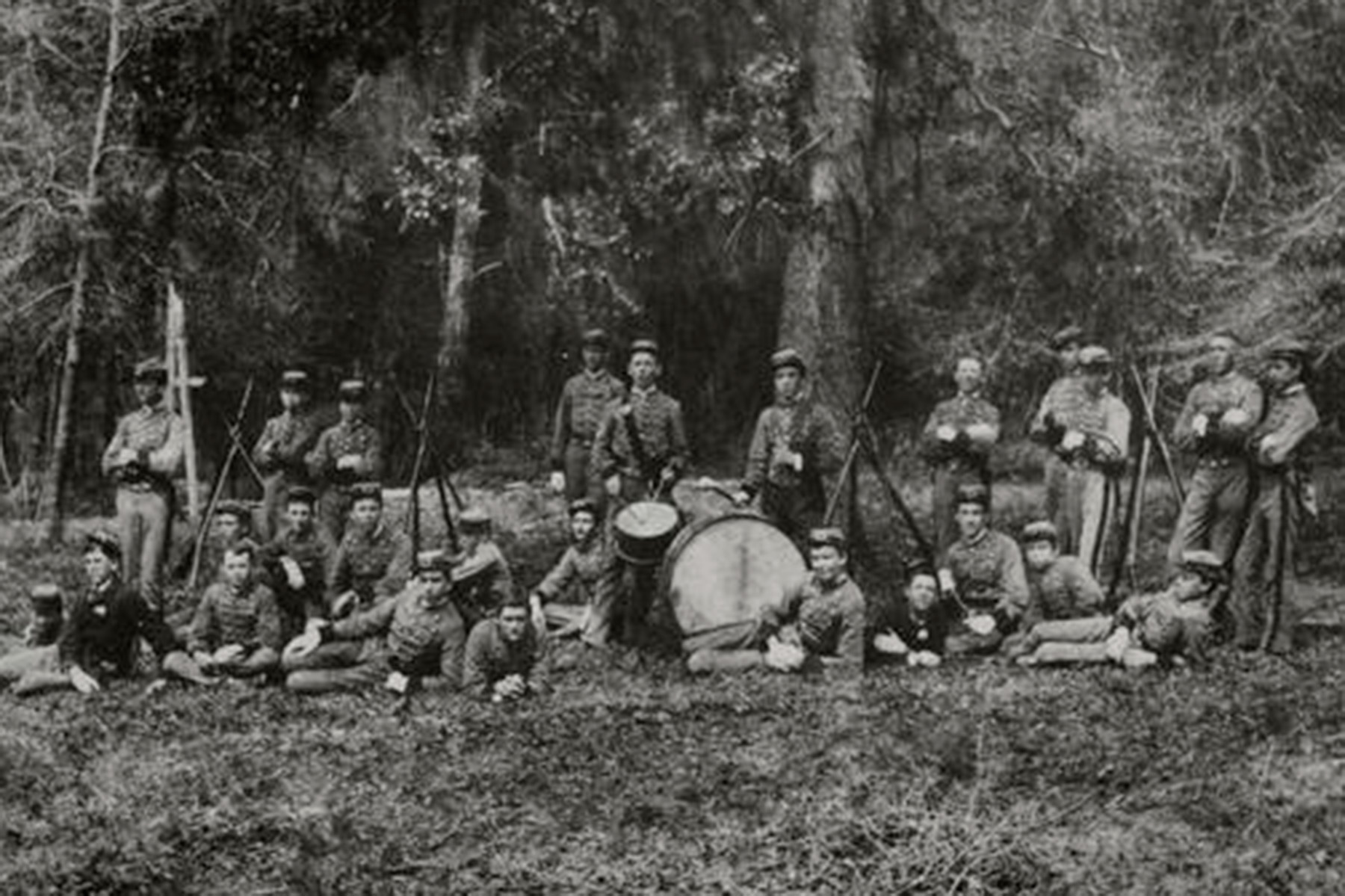
During the 1860s, the institution operated as the Florida Military and Collegiate Institute.
The Buckman Act and institutional specialization
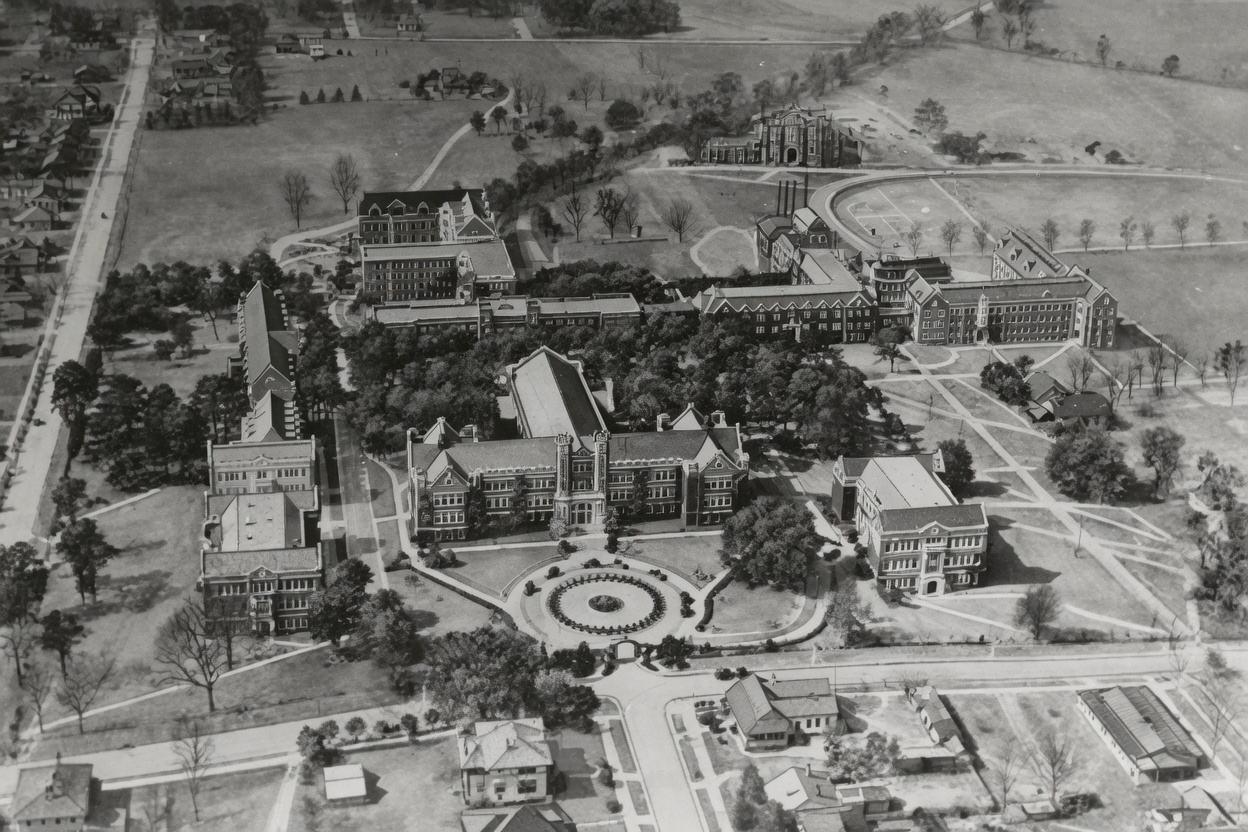
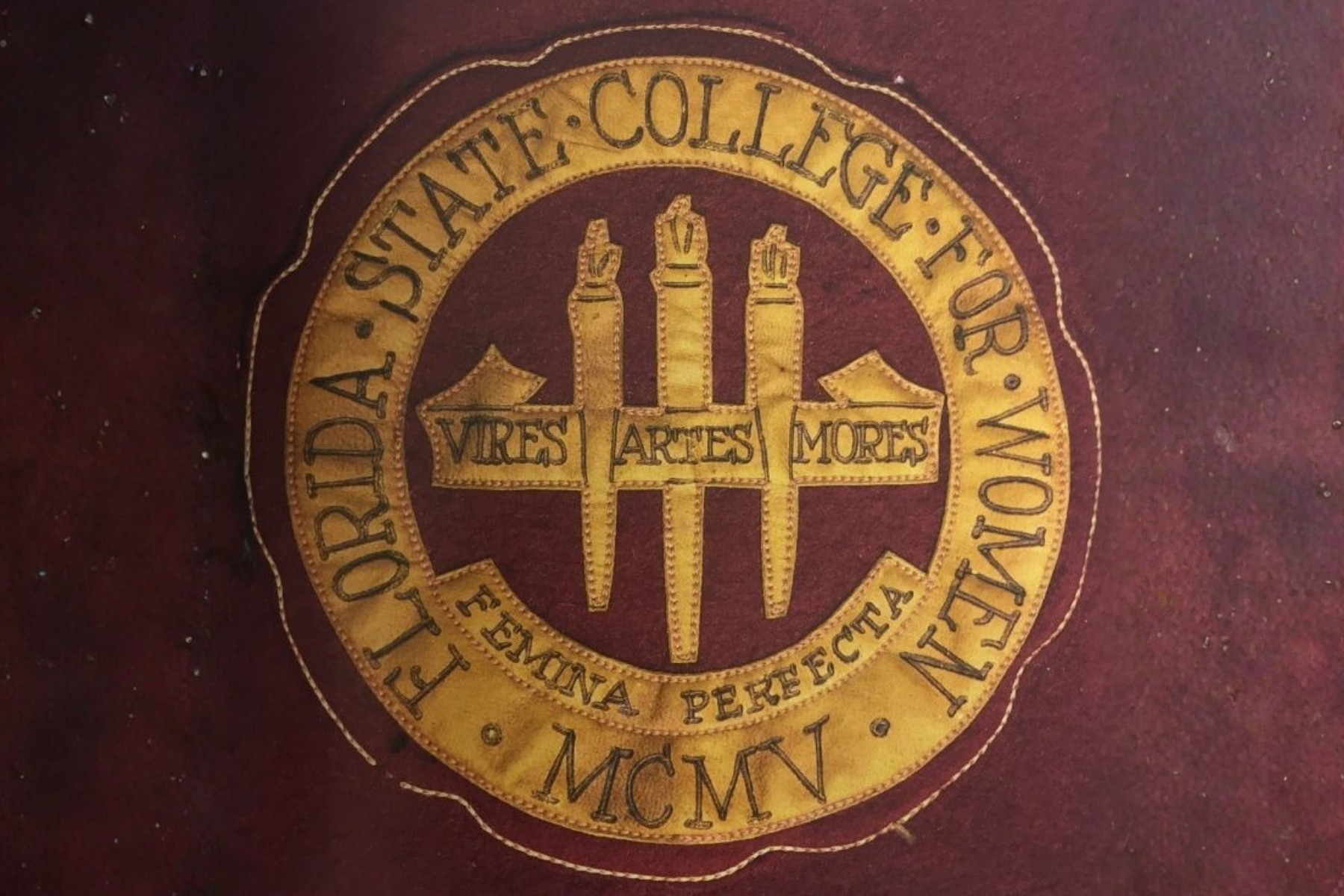
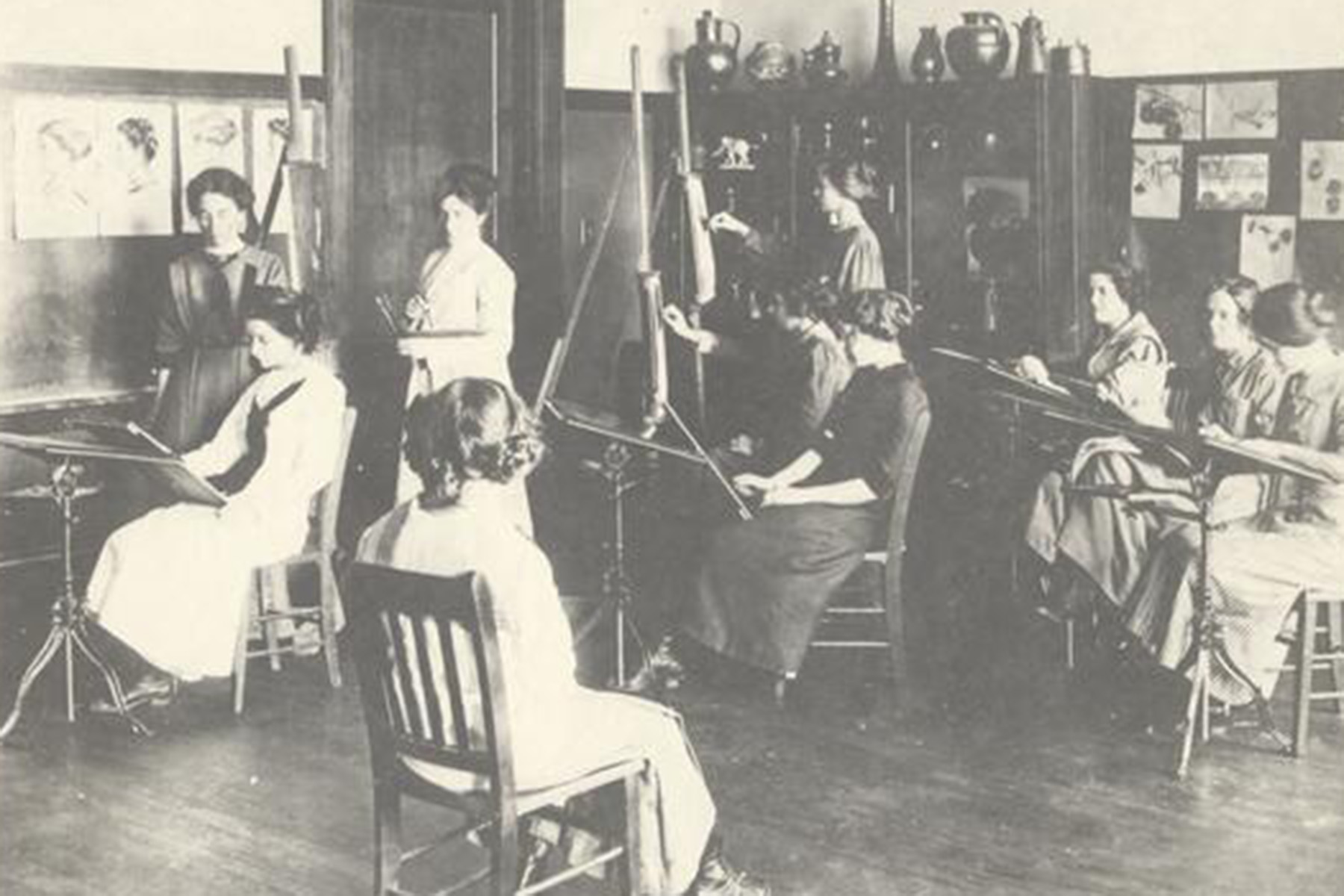
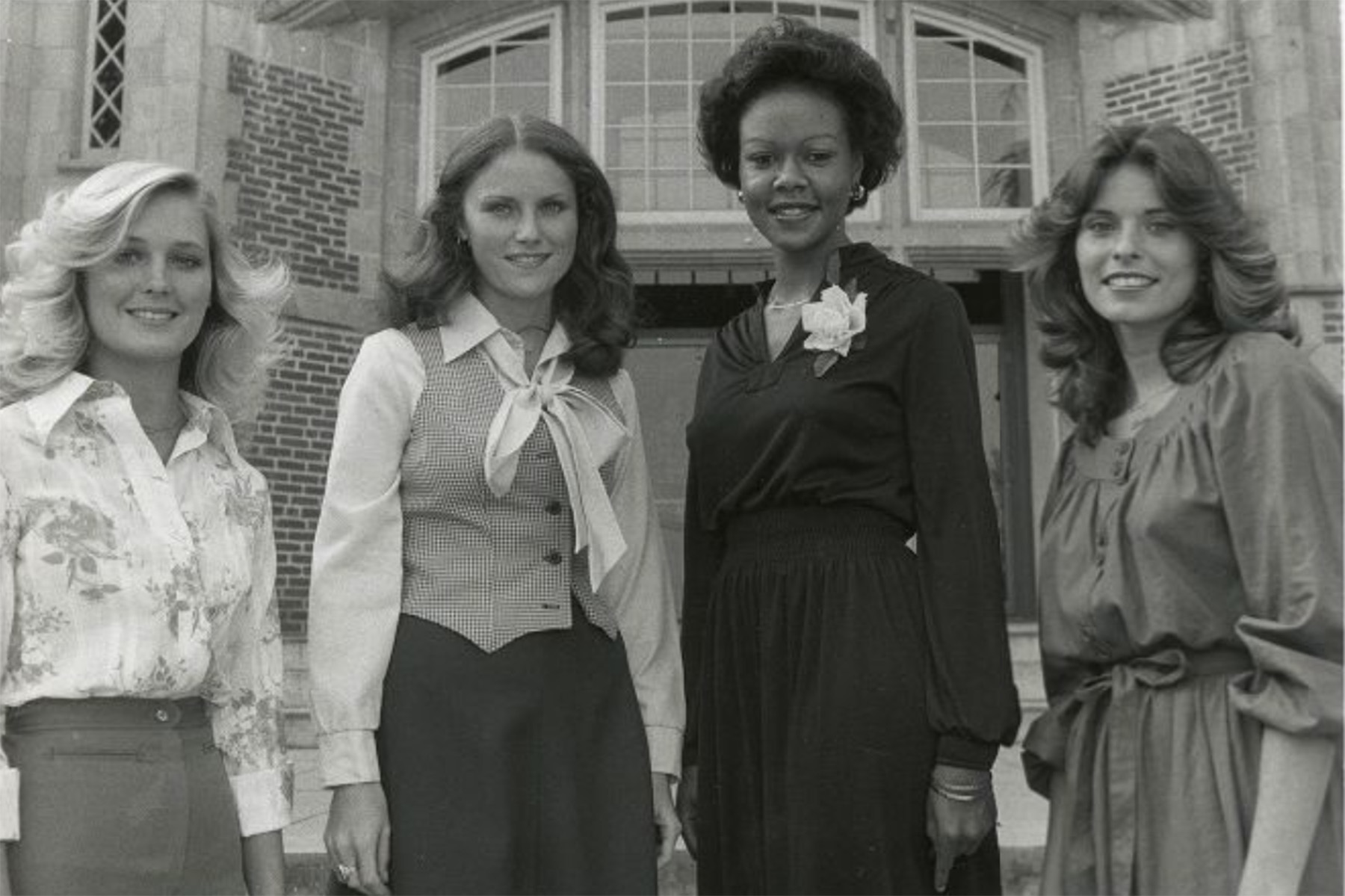
In 1905, the Buckman Act reorganized Florida’s higher education system and designated the Tallahassee campus as a women’s institution: the Florida State College for Women (FSCW).

Over the next four decades, enrollment and academic offerings expanded, and the college became the third-largest women’s college in the United States.
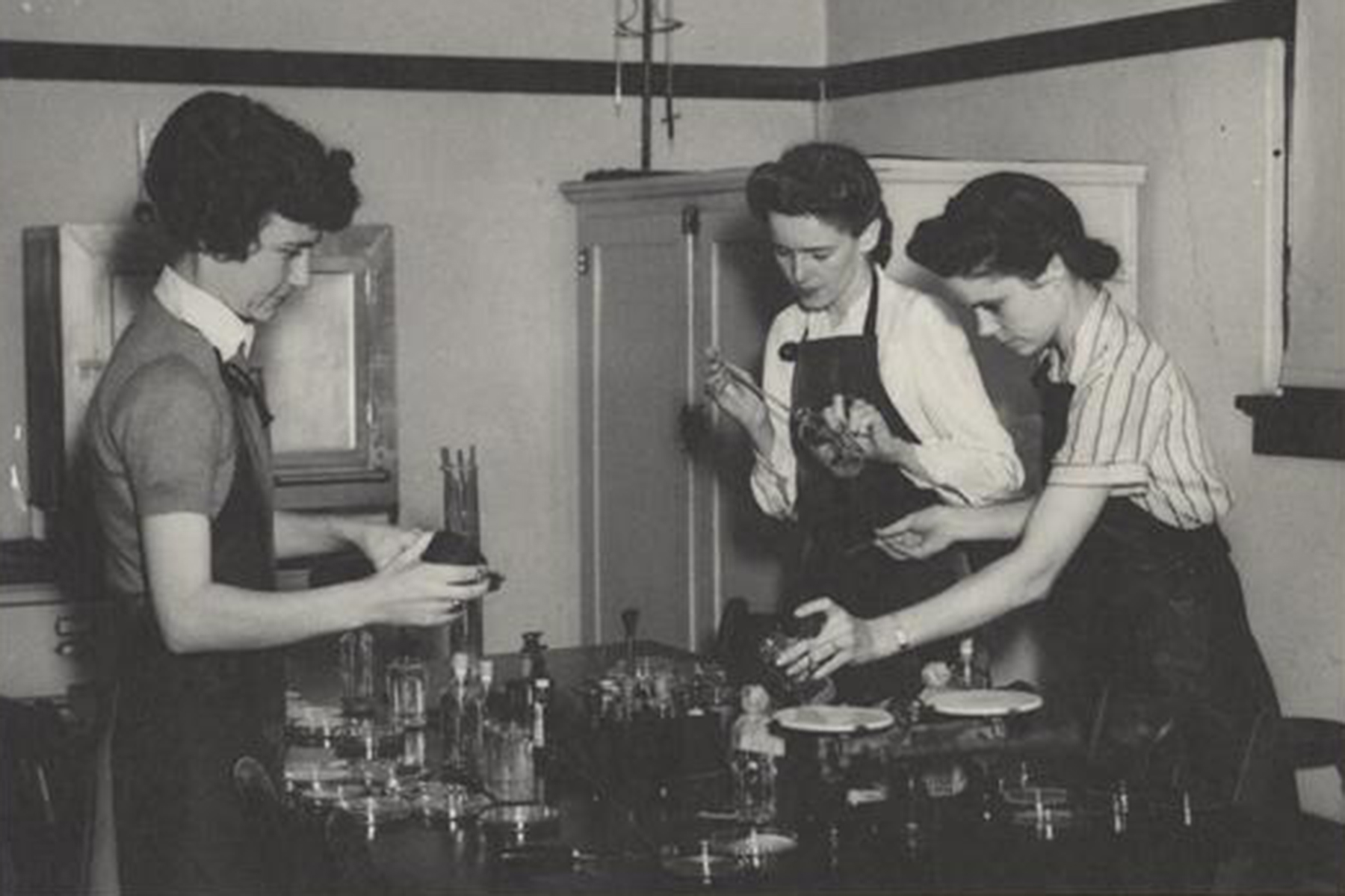
The college attained national academic recognition in 1935 when it was granted a charter for a Phi Beta Kappa chapter, becoming the first state-supported institution in Florida to receive this distinction. During a period of expanding opportunities for women following the passage of the 19th Amendment, the college became an important center for academic advancement in the Southeast.
During this time, alumna Major General Norma Brown completed her education at FSCW before becoming the first woman to Command an Air Force Wing.
Arts, culture and creative expression
As America developed its cultural identity over the past two centuries, Florida State University helped prepare generations of artists who contributed to that story. In 1912, art student Agnes Granberry created the university’s original seal and motto, an early example of the creative work that would become a defining part of campus life.
The arts flourished during the Florida State College for Women era and continued to expand after the university returned to coeducation in 1947. Over time, FSU built nationally recognized programs in music, theatre, dance, visual arts and film, culminating in the creation of the College of Fine Arts in 2005. Today, graduates of those programs work on Broadway, in film and television productions, in museums and galleries, and in classrooms and cultural organizations across the country.
World War II and the impact of the GI Bill
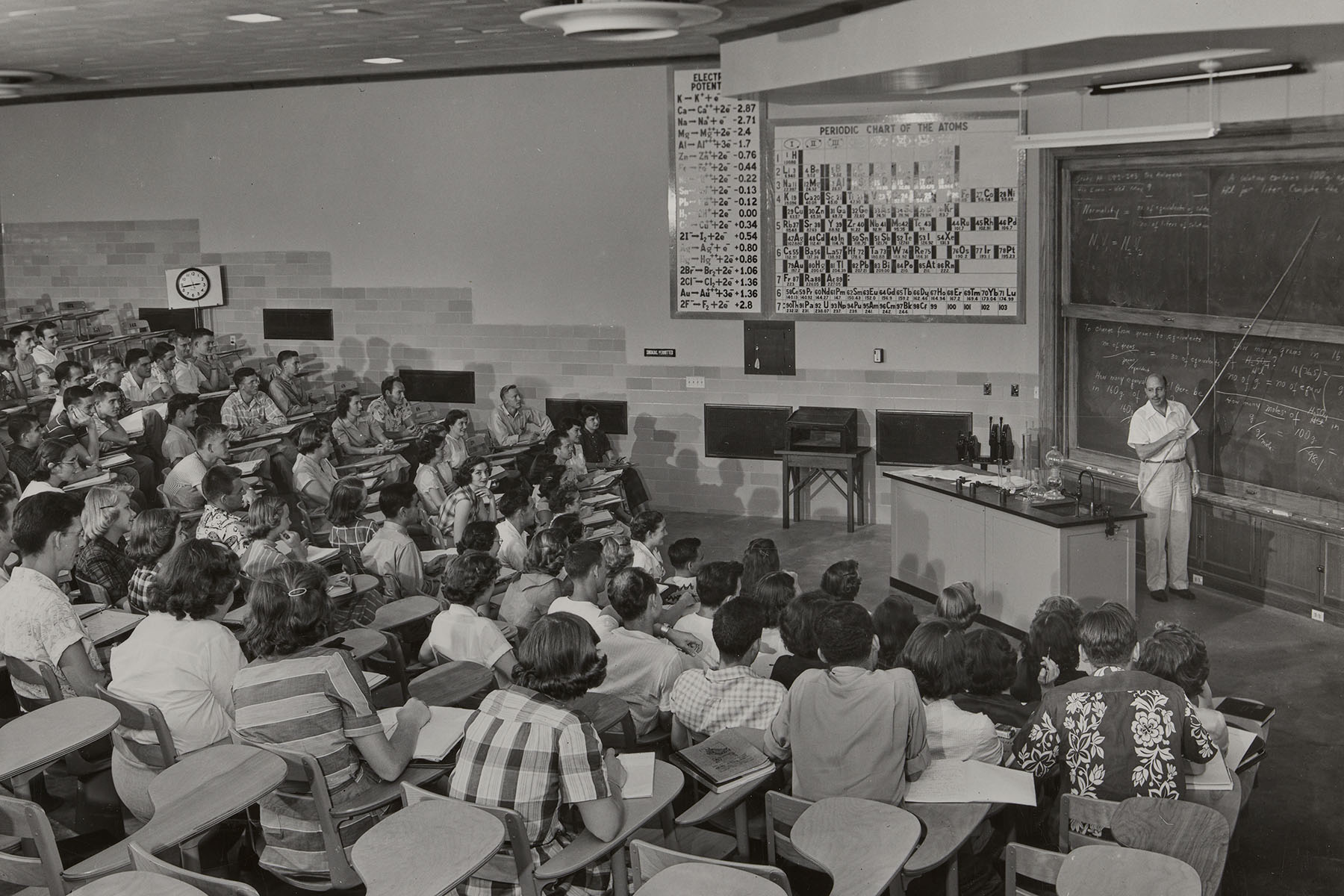
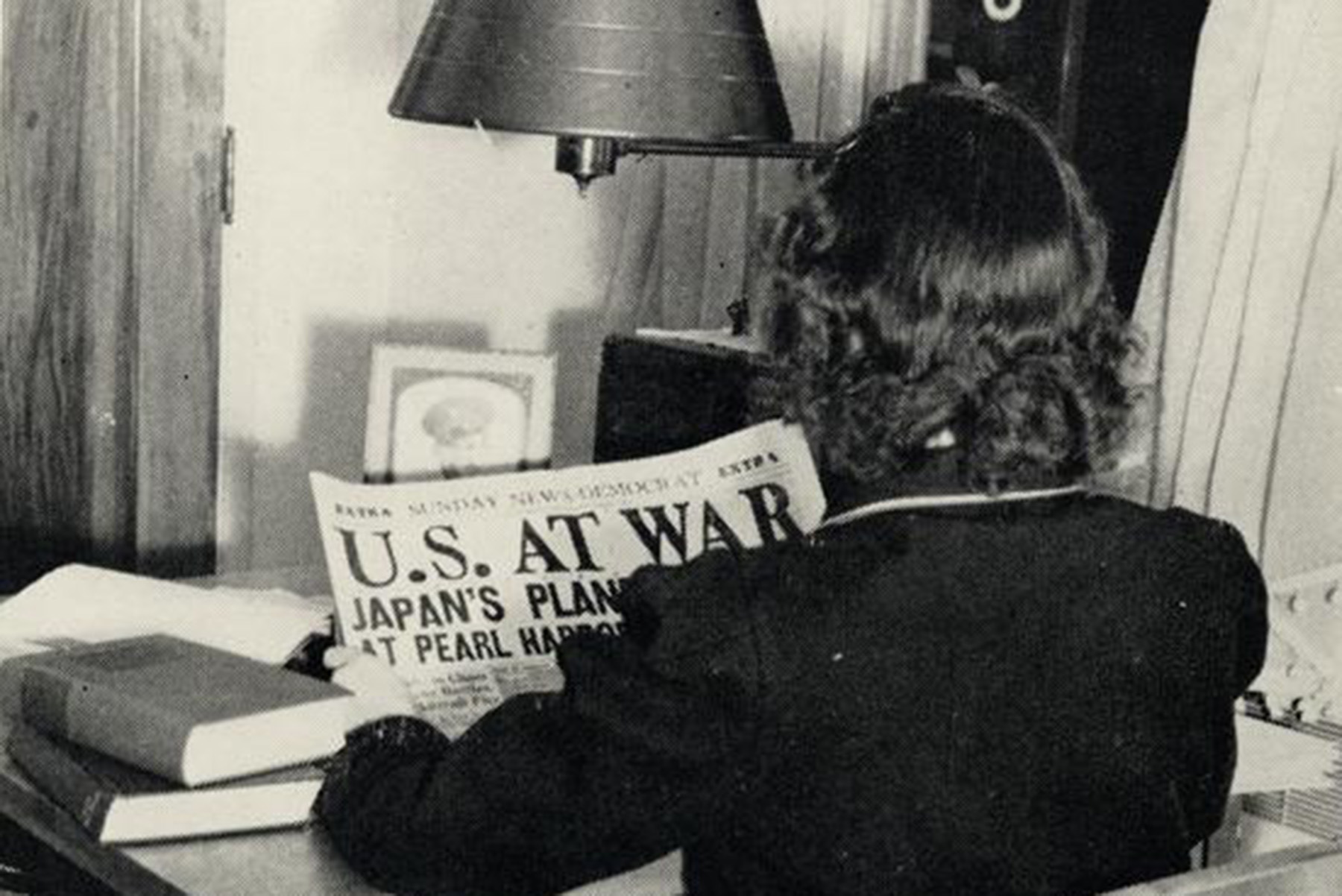
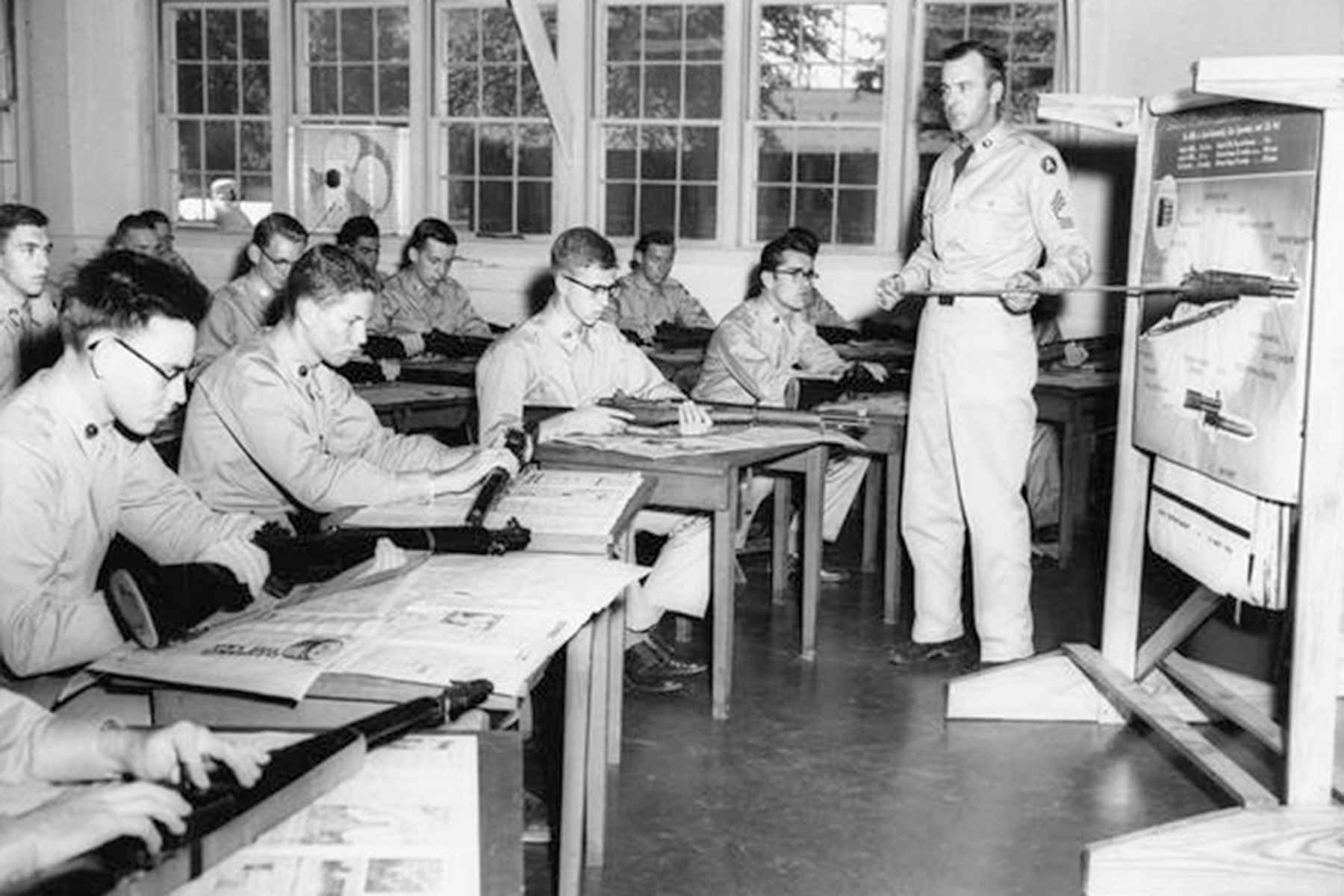
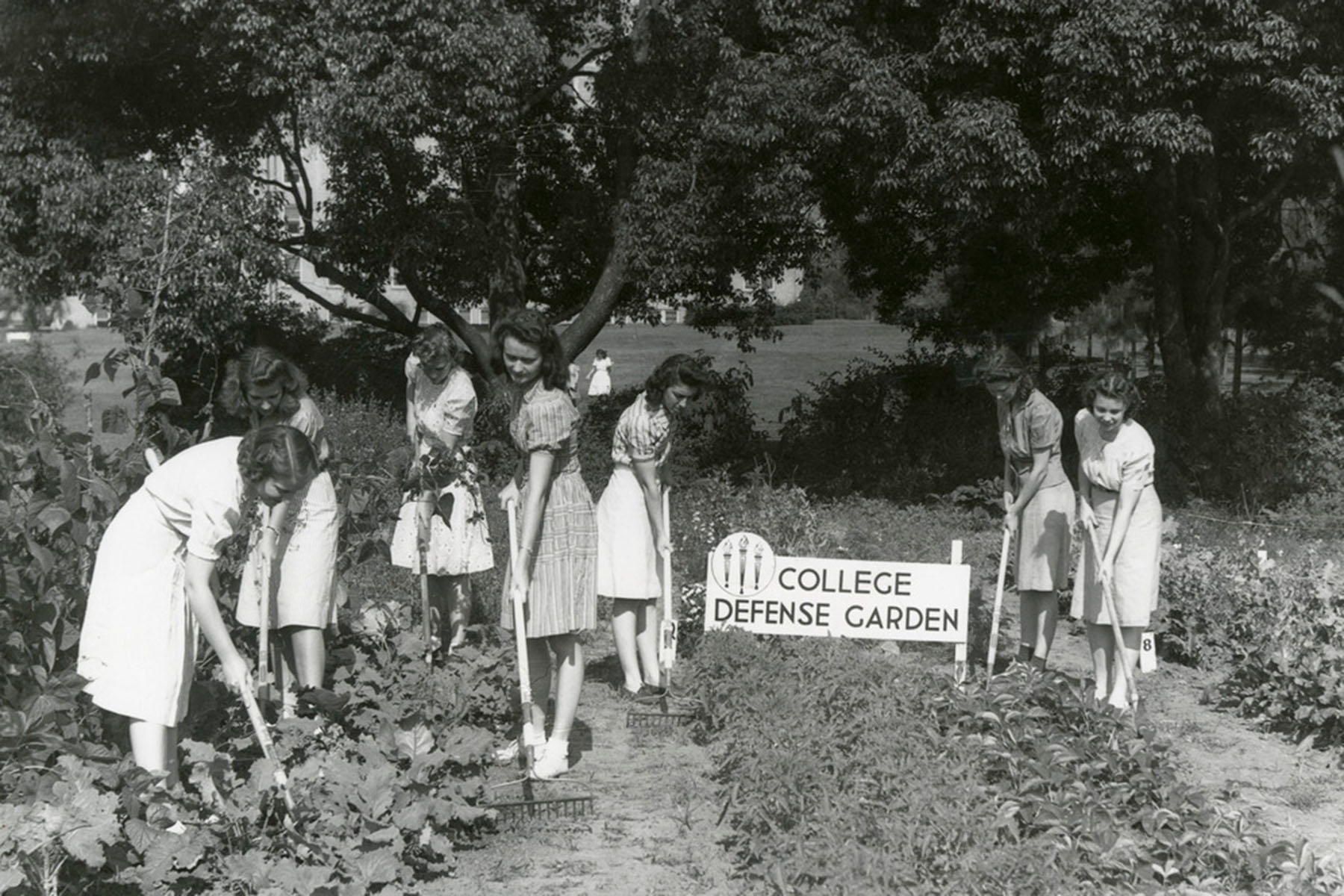
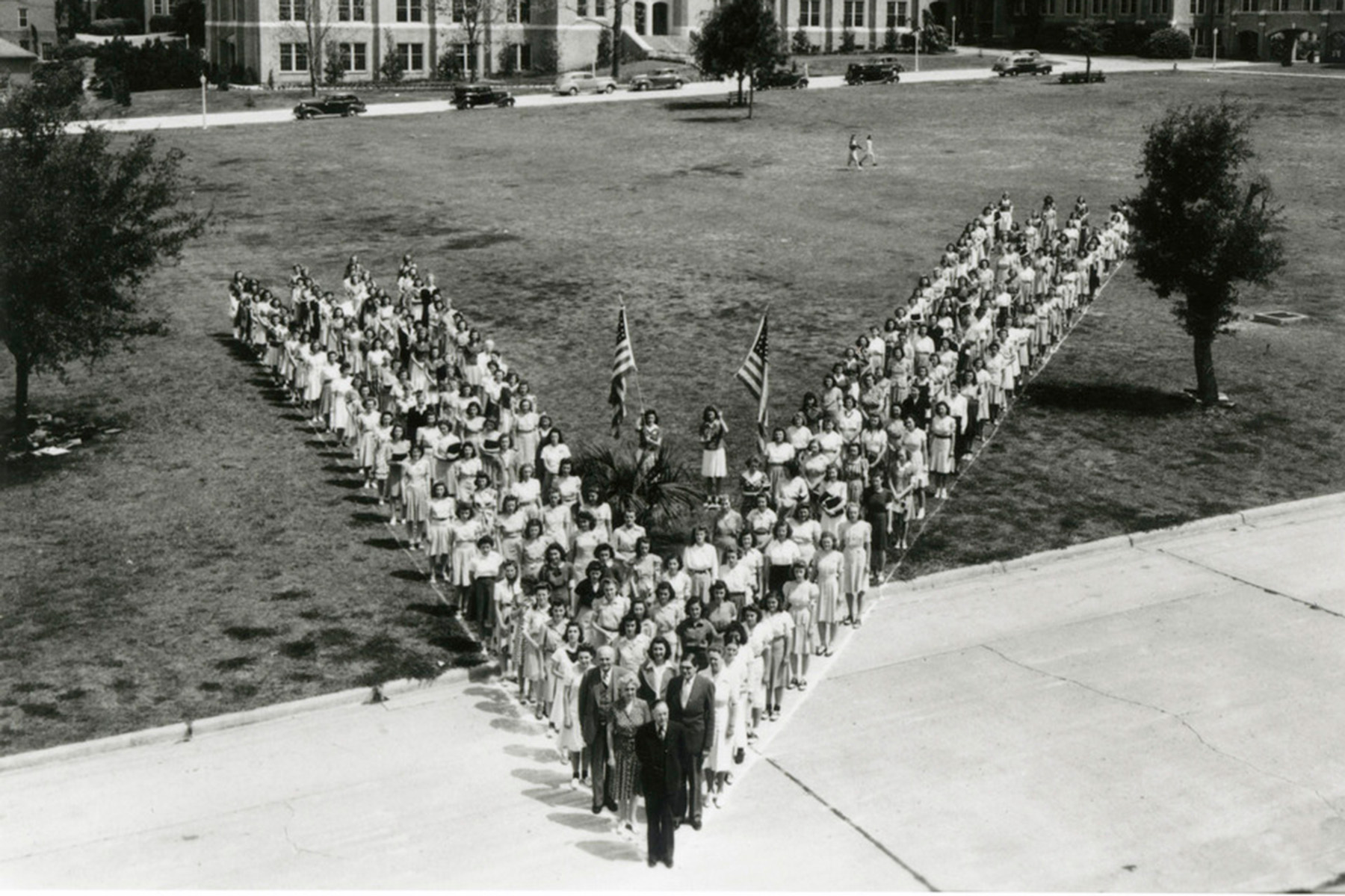
World War II and the GI Bill transformed higher education across the nation, creating college opportunities for millions of returning veterans.
To meet the growing demand, the Florida Legislature voted in May 1947 to return the institution to a coeducational structure, officially establishing Florida State University.
President Doak S. Campbell navigated the reorganization. The university repurposed military infrastructure, erecting temporary barracks for housing and using Dale Mabry Field, a wartime airfield, for classroom space.
The transition allowed the university to enroll thousands of veterans and support their entry into the postwar workforce.
The graduating senior women of 1947 held a unique distinction, receiving diplomas that bore the names of both institutions: Florida State College for Women and Florida State University.
The Civil Rights movement and integration
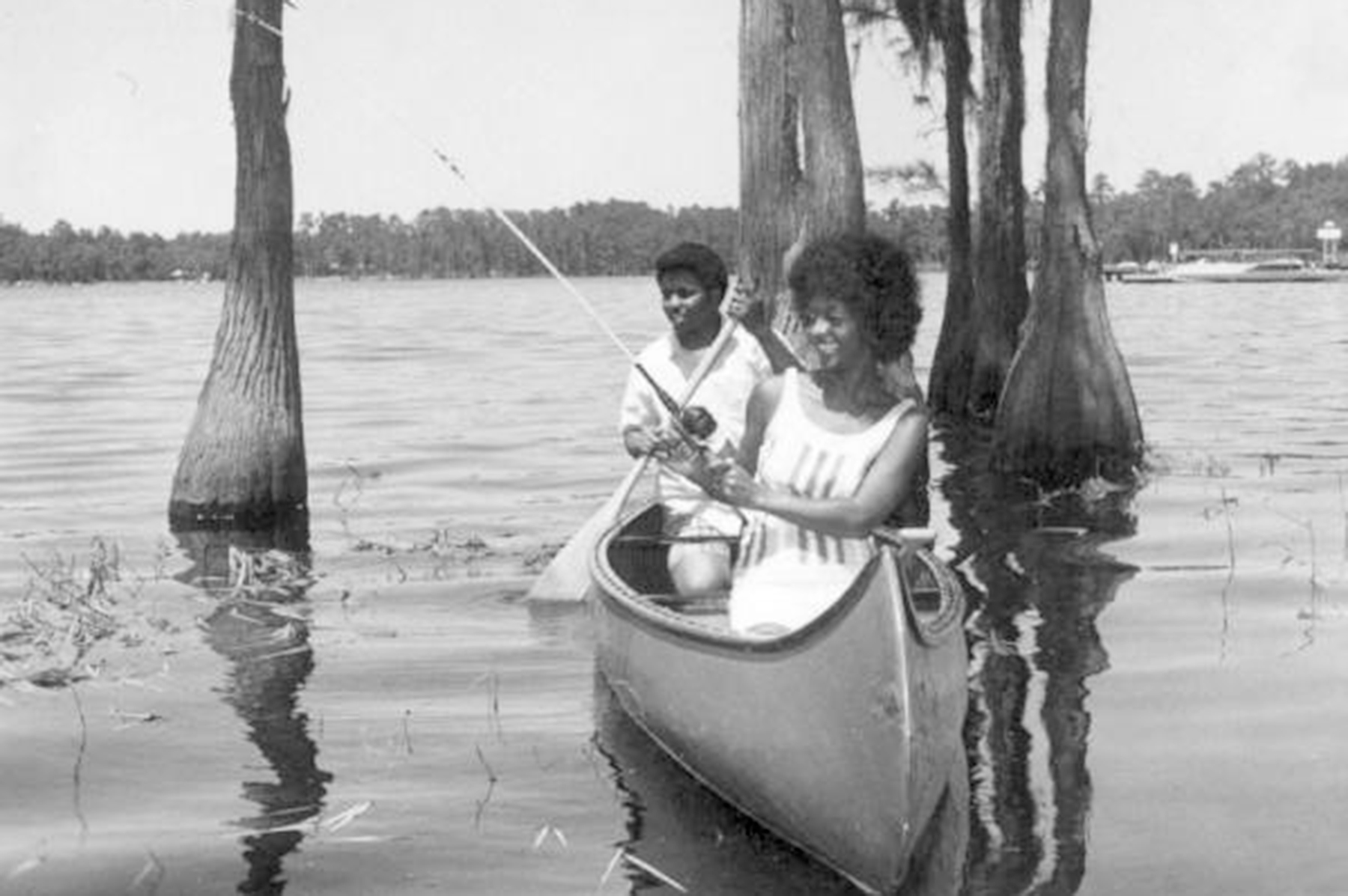
Like many institutions in the South, Florida State University experienced significant change during the Civil Rights era.
After the Supreme Court decision in Brown v. Board of Education, the university admitted its first Black students in 1962, when 12 students were admitted into graduate-level classes. This milestone opened the doors for a new group of students at FSU and set the stage for broader institutional change.
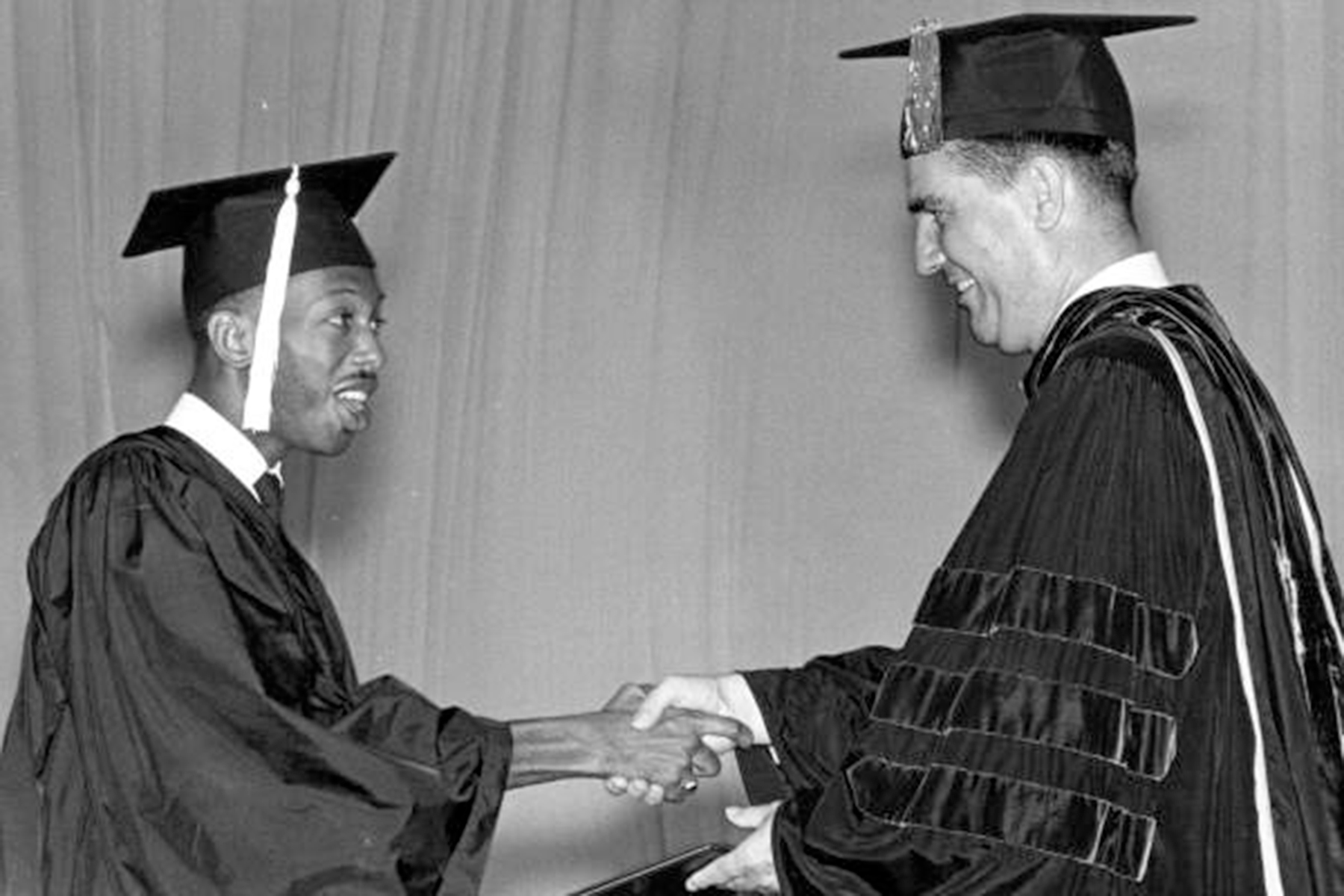
Three years later, in August 1965, Maxwell Courtney became the first Black student to earn an undergraduate degree from FSU.
Research, discovery and innovation
The 20th century brought a major expansion of the nation’s scientific infrastructure as the United States sought to maintain technological leadership during and after the Cold War.
FSU alumni contributed to that effort. In 1995, astronaut Norman Thagard became the first American to ride aboard Russian Soyuz spacecraft.
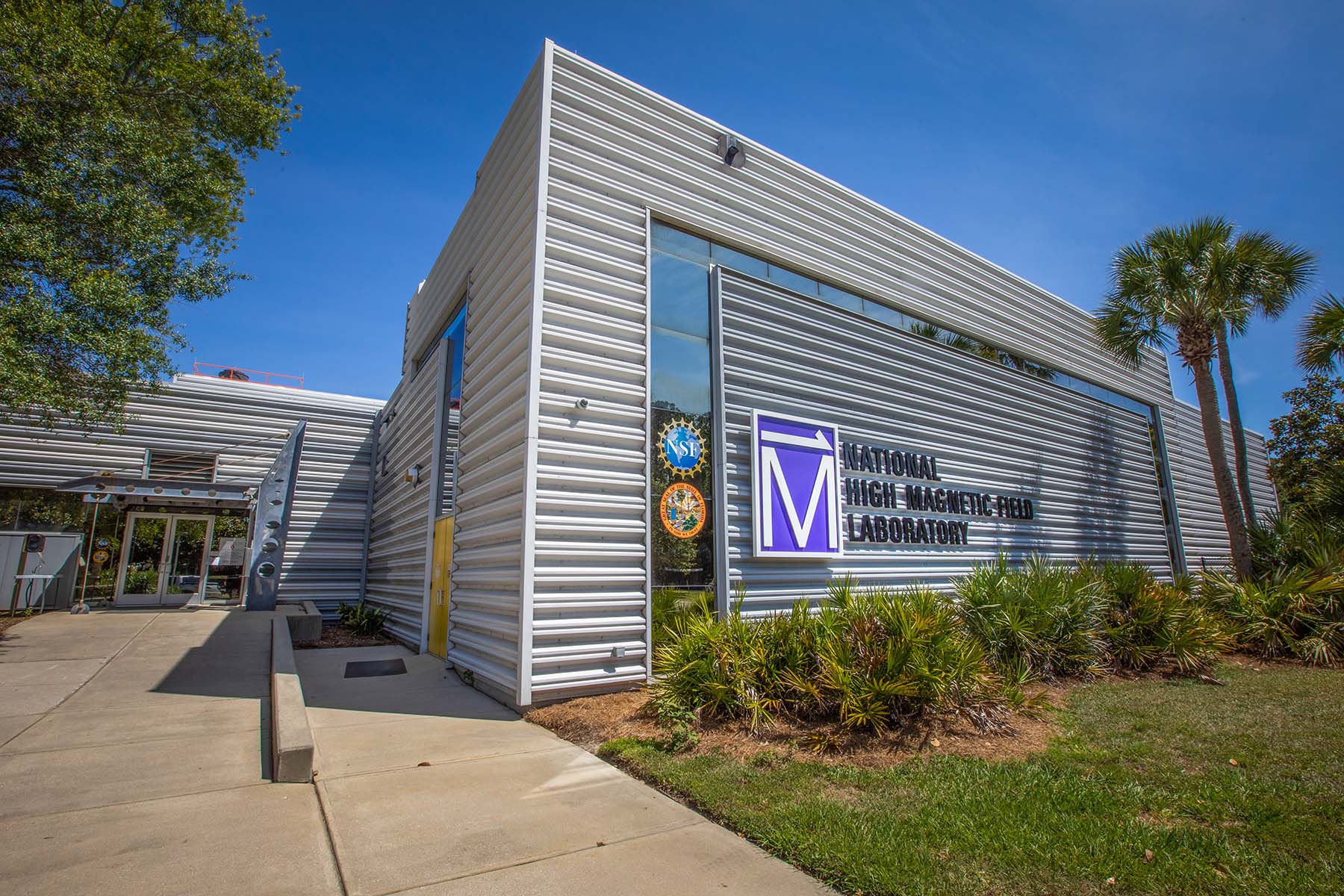
For decades, federally funded physics facilities were concentrated in the Northeast until a pivotal 1990 decision by the National Science Foundation. After a competitive bidding process, Florida State University was selected over MIT as headquarters of the National High Magnetic Field Laboratory.
The decision established a major research hub in the American South. Today, the MagLab produces the world’s highest continuous magnetic fields and supports advancements in materials science, clean energy and medical imaging.
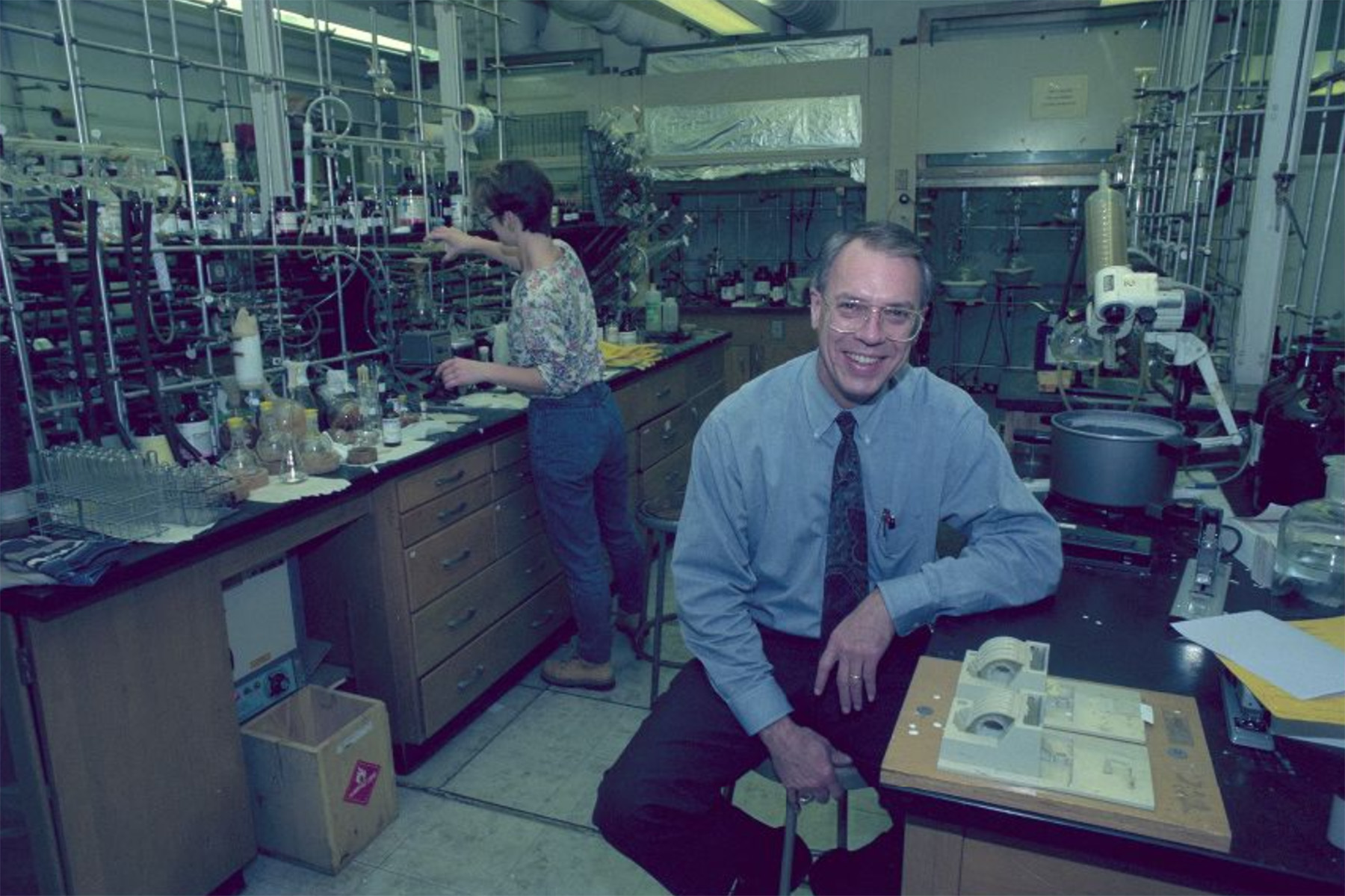
FSU has been the birthplace of monumental biomedical breakthroughs. Most notably, the university played a critical role in the synthesis of Taxol, a groundbreaking cancer drug developed by FSU chemist Robert A. Holton. The commercial synthesis of this compound revolutionized oncology, impacting thousands of lives worldwide.
FSU alumni have also made contributions across science, research and entrepreneurship.
In environmental science, marine biologist Sylvia Earle helped craft national ocean policy during her tenure as chief scientist at the National Oceanic and Atmospheric Administration. Entrepreneur Sara Blakely transformed the retail industry by founding SPANX, demonstrating the broad influence of FSU graduates.
The Seminole Tribe of Florida
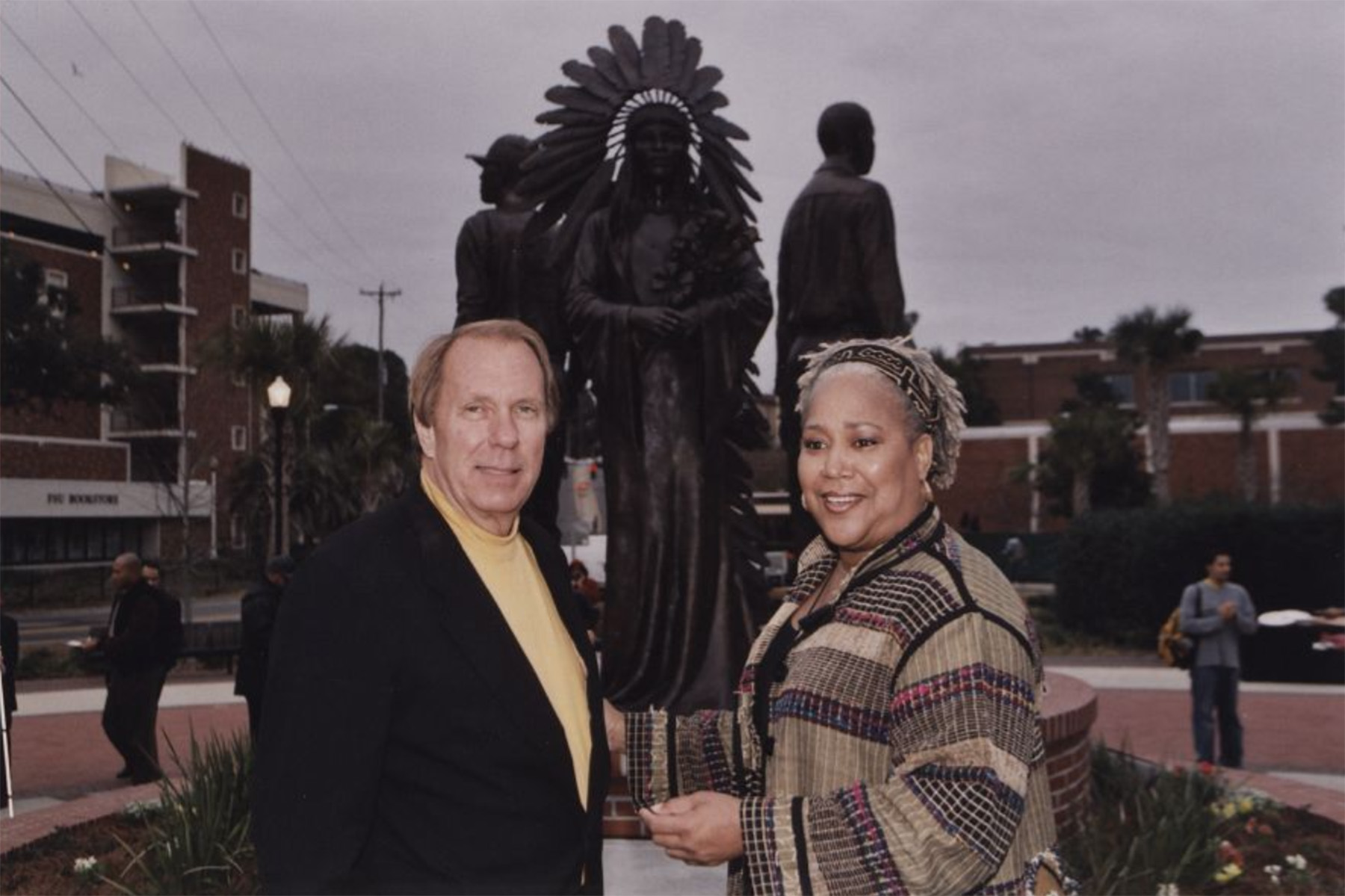
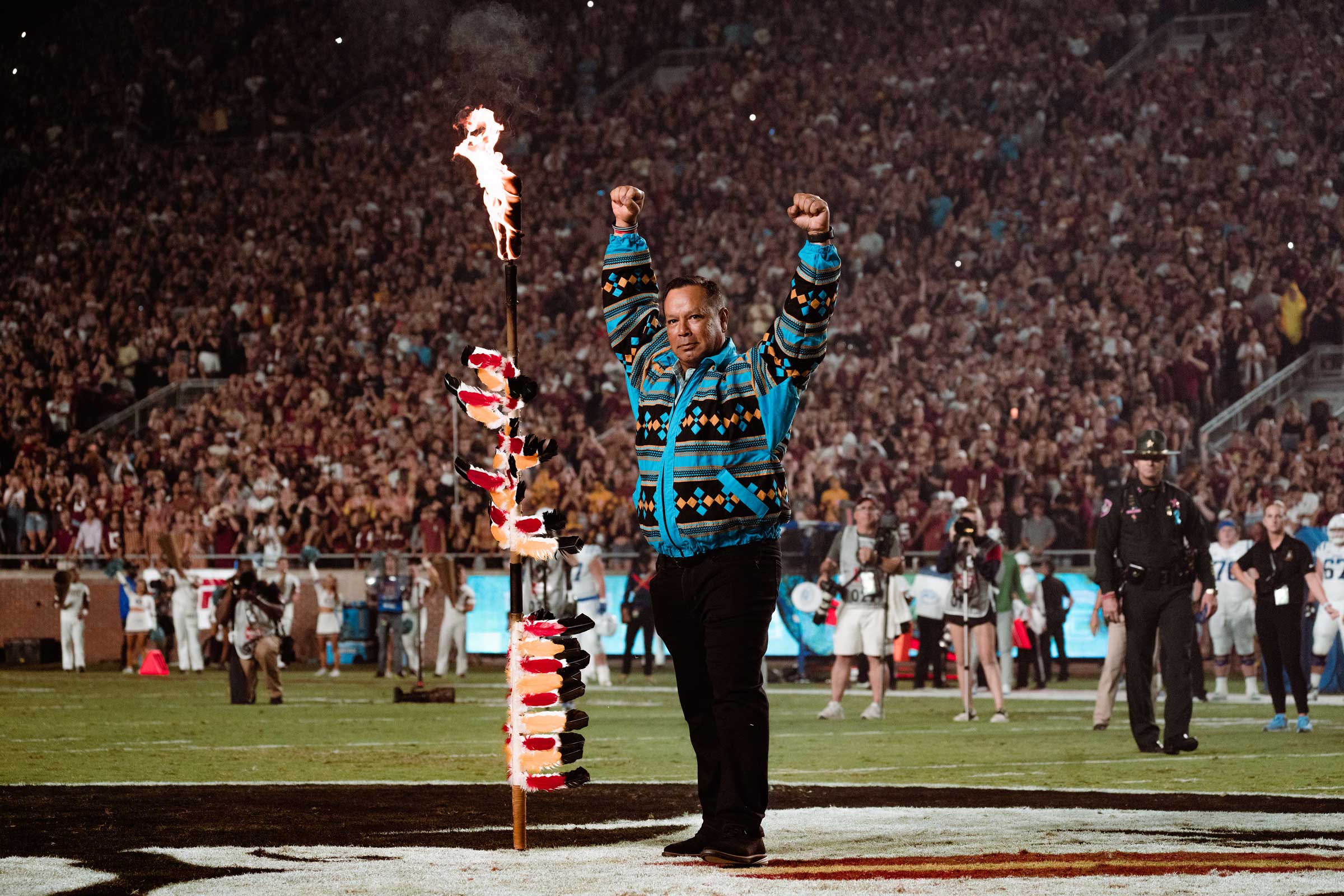
As the university evolved, FSU’s relationship with the Seminole Tribe of Florida transformed from an initial 1947 student body vote into a deeply collaborative partnership. The relationship was formally recognized in a 2005 resolution by the Tribal Council of the Seminole Tribe of Florida, which formally approved the university’s continued use of the Seminole name.
The relationship has evolved over the decades through consultation, collaboration and mutual respect.
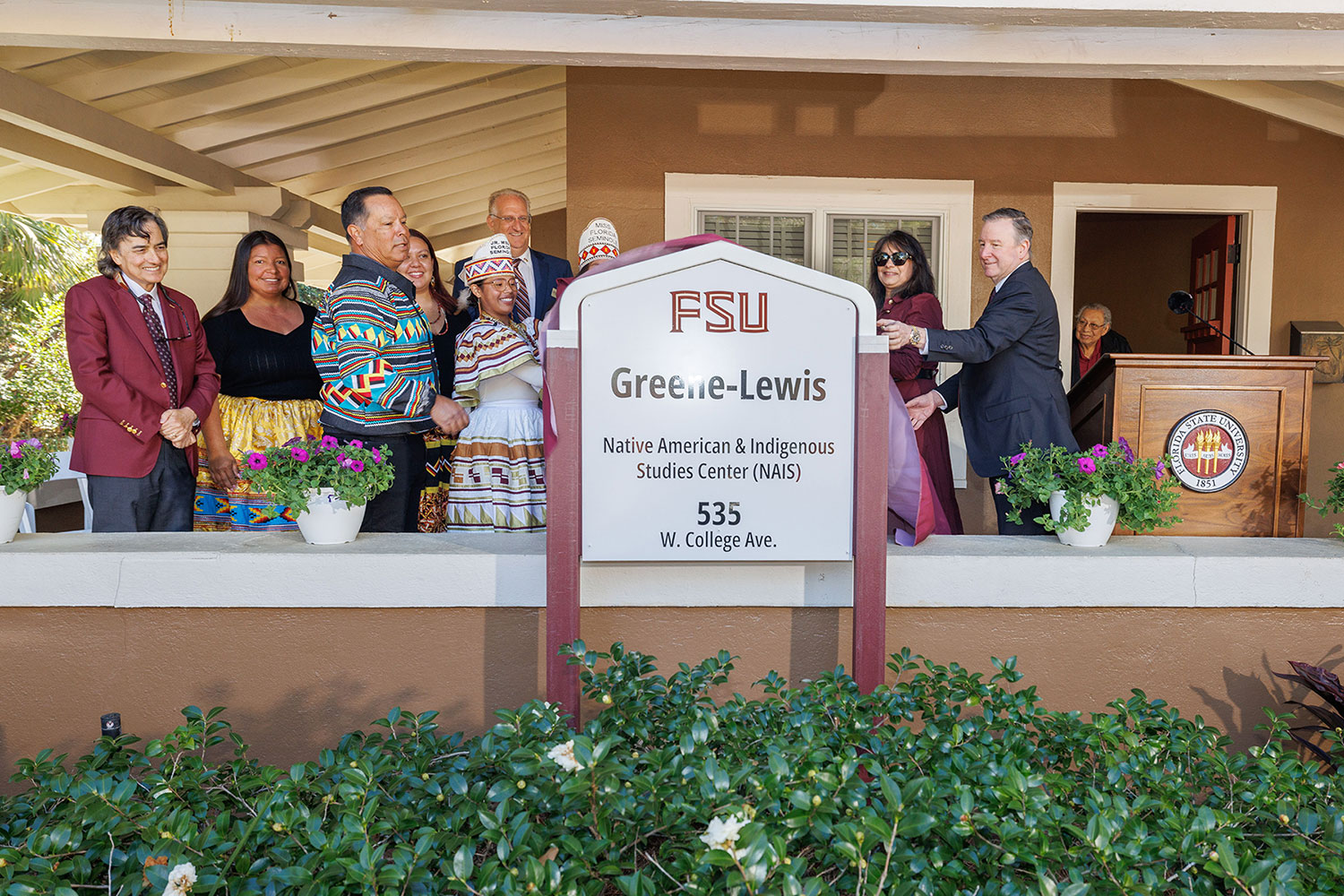
Today, the university actively supports the tribe’s efforts to preserve and share its history through initiatives like the Native American and Indigenous Studies Center. By integrating Indigenous history into the academic curriculum, the center ensures that Native American history is taught as an essential component of the broader American narrative.
Athletic prominence
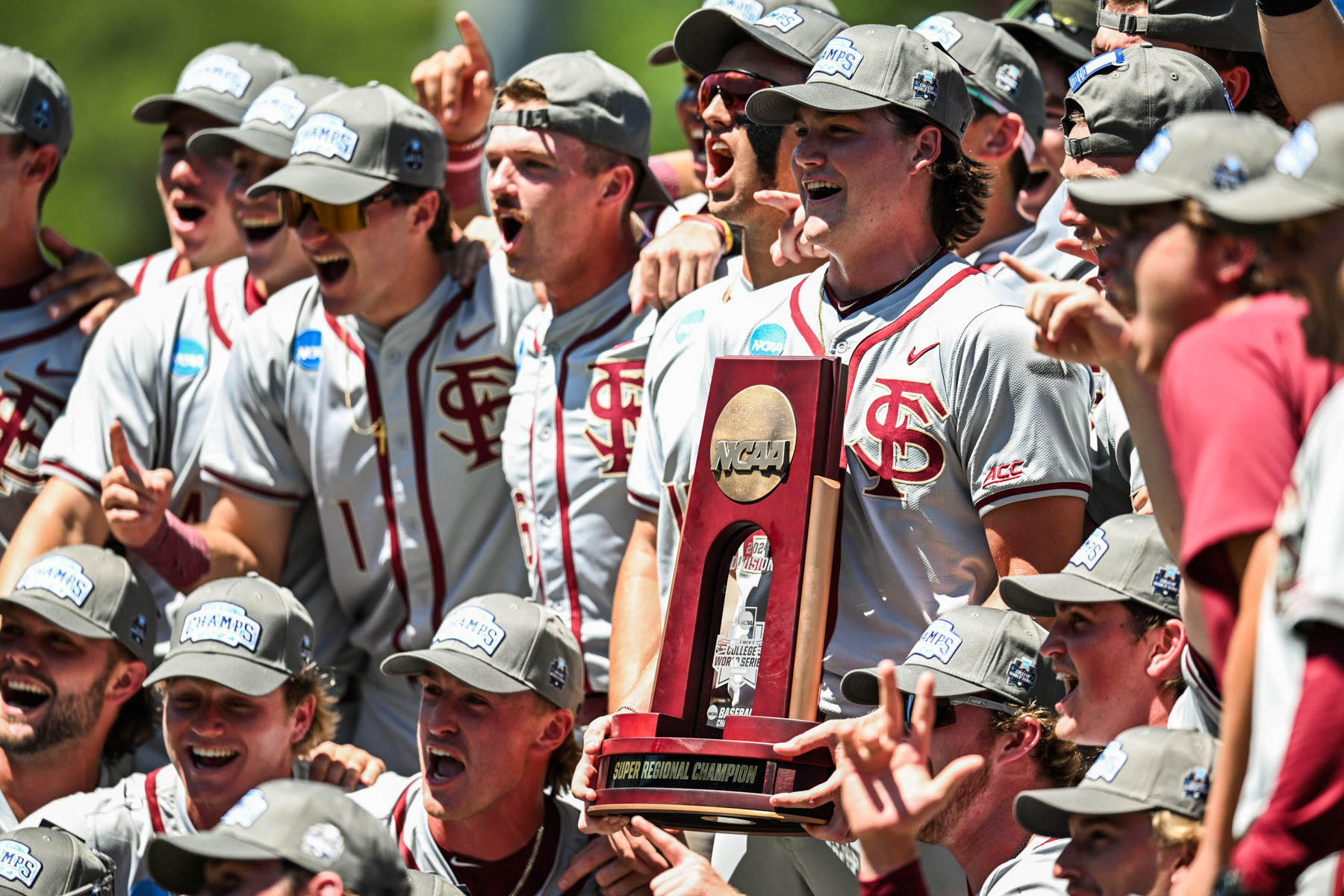
Athletics have long been part of Florida State’s identity, beginning with the university’s first team championship in men’s gymnastics in 1951. Since then, FSU teams have won more than 20 national titles.
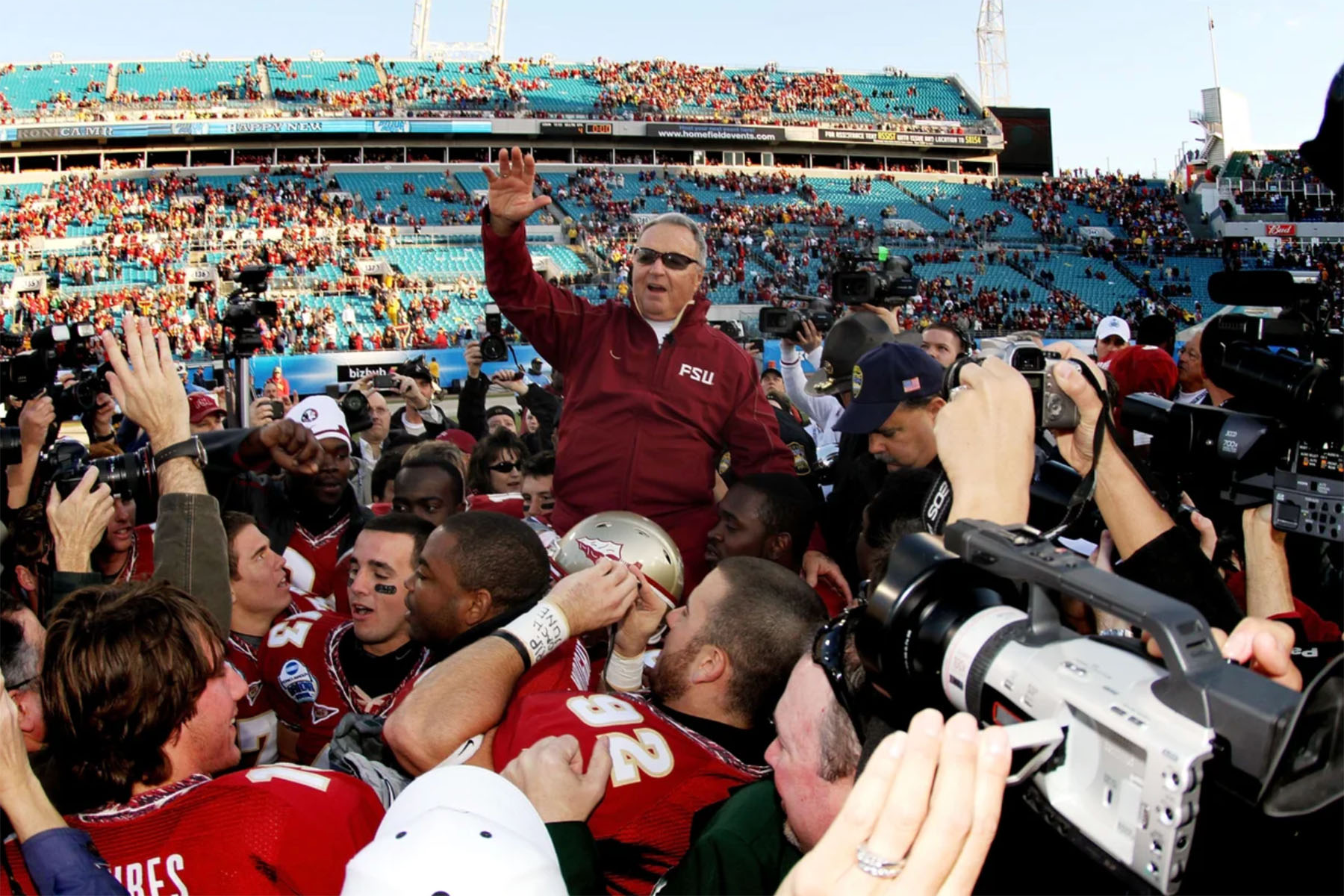
After this early success, the university’s public profile surged under Hall of Fame Football Coach Bobby Bowden, whose program achieved national championships in 1993 and 1999, followed by a third national title in 2013 under Coach Jimbo Fisher.
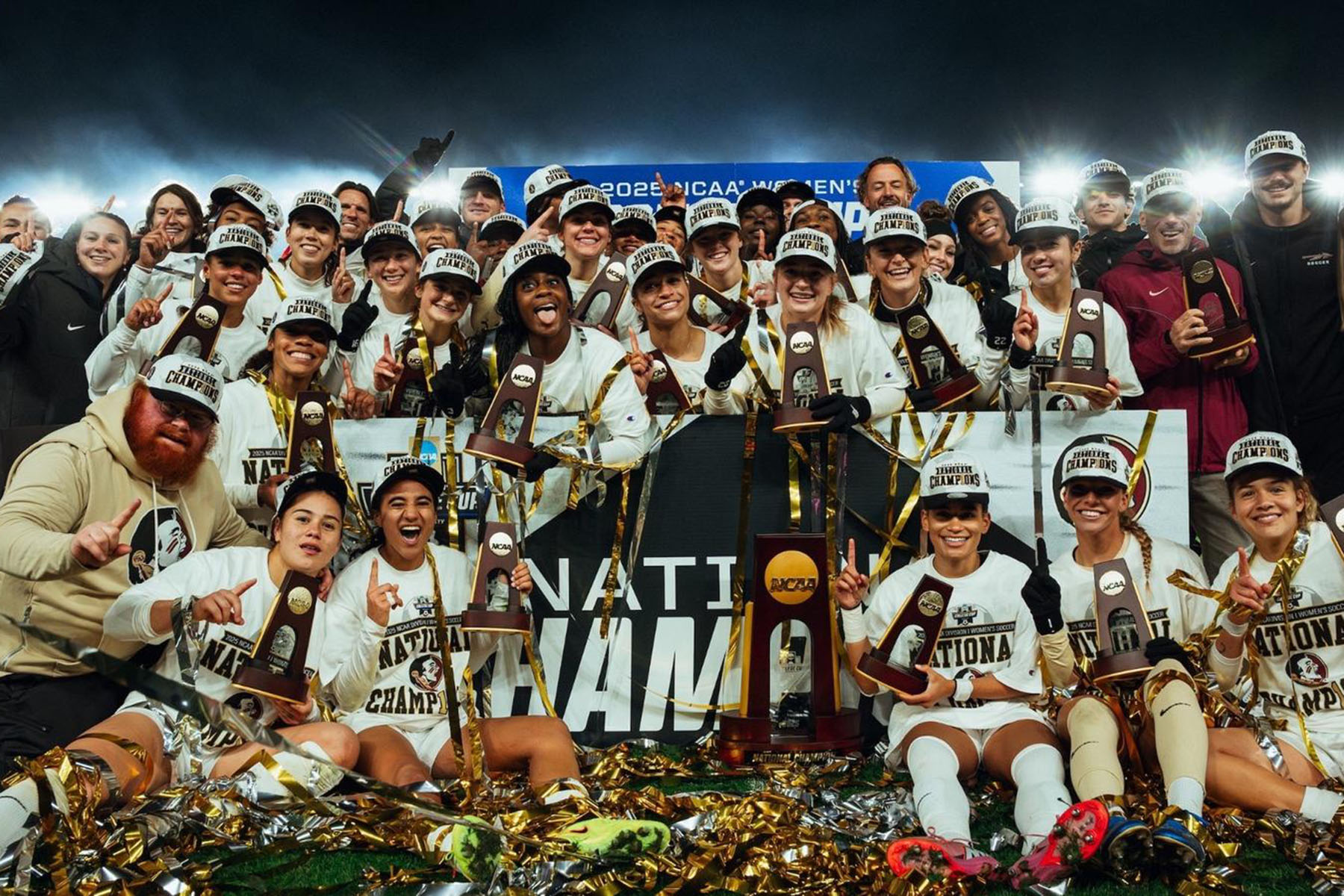
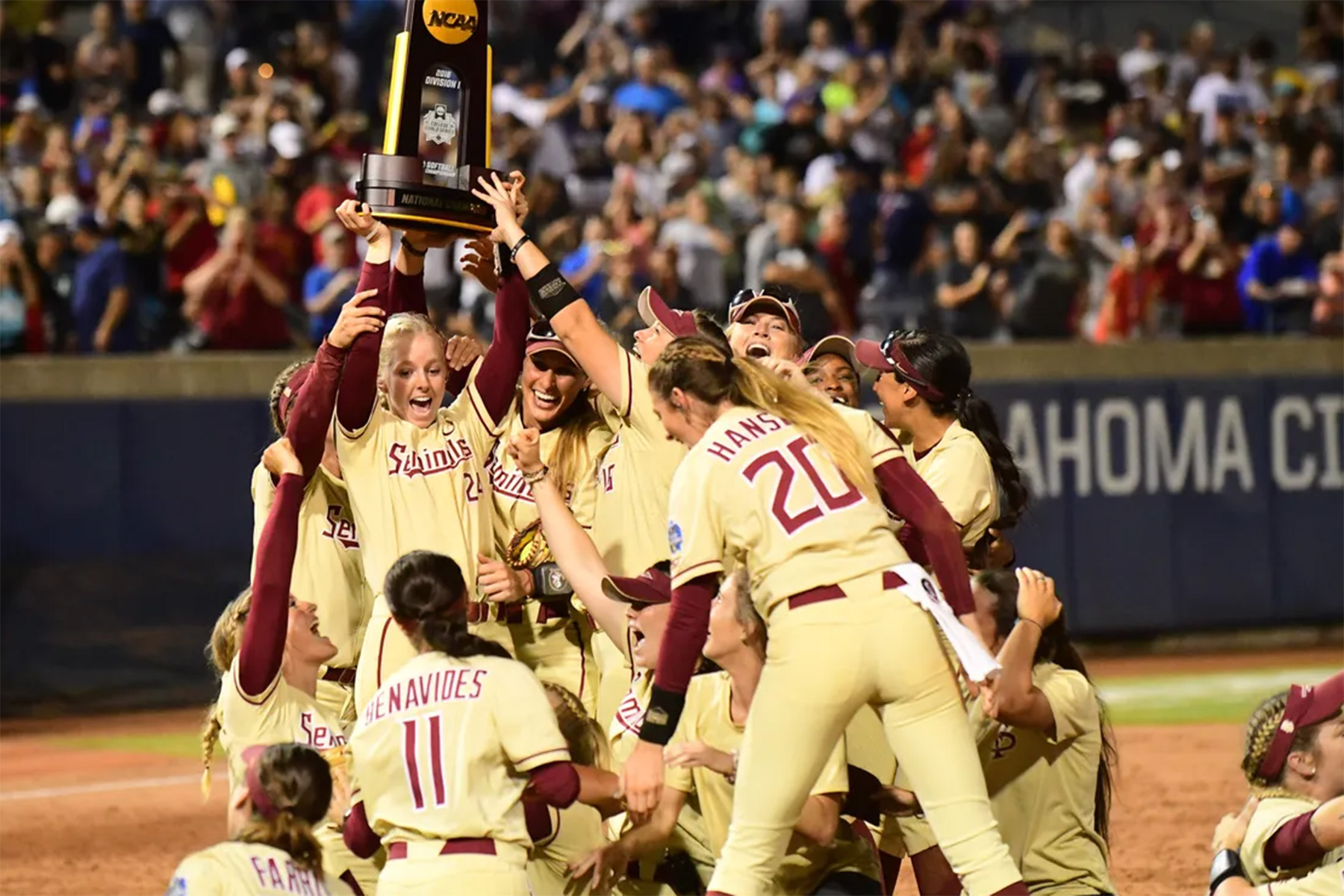
The university has also made 24 College World Series appearances and won the 2018 NCAA Women’s College World Series title in softball. FSU’s women’s soccer has emerged as a national powerhouse, winning NCAA championships in 2014, 2018, 2021, 2023 and 2025.
Beyond collegiate competition, FSU athletes have represented the United States on the international stage. Olympians such as Walter Dix have contributed to Team USA and extended the university’s athletic legacy beyond campus.
Contributions to national leadership
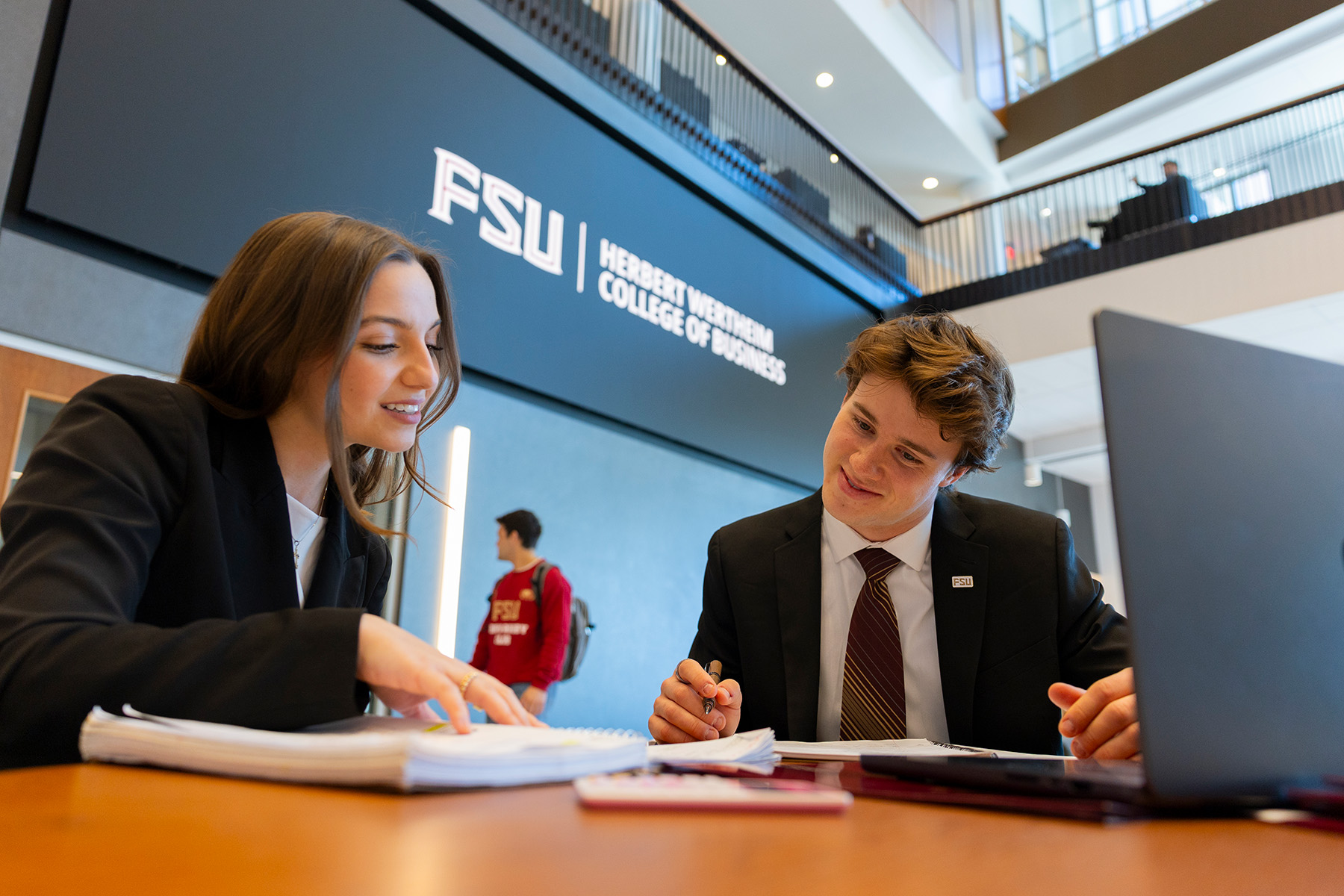
Florida State University has more than 430,000 living graduates who make a difference worldwide in business, science, education, the arts and government. For generations, leaders from FSU have helped shape public laws and policies, making a major impact on local, state and national governments.
Representing this legacy of leadership of FSU Alumni are state governors Reubin Askew (Fla.), Charlie Crist (Fla.) and Larry Hogan (Md.), alongside federal leaders like Sen. Mel Martinez (Fla.), who influenced national civic history through his public service. Most recently, FSU alumnus and Speaker of the Florida House Danny Perez was nominated by President Donald Trump to serve as the next U.S. Ambassador to Brazil, pending confirmation by the U.S. Senate.
This tradition of legislative excellence extends back to former Florida House speakers T.K. Wetherell and John Thrasher, both of whom later returned to their alma mater to serve as university presidents. Additionally, Talbot “Sandy” D’Alemberte left a lasting mark on public service, bridging the worlds of legal and academic leadership as a state representative, president of the American Bar Association and FSU president.
Civic engagement and institutional legacy
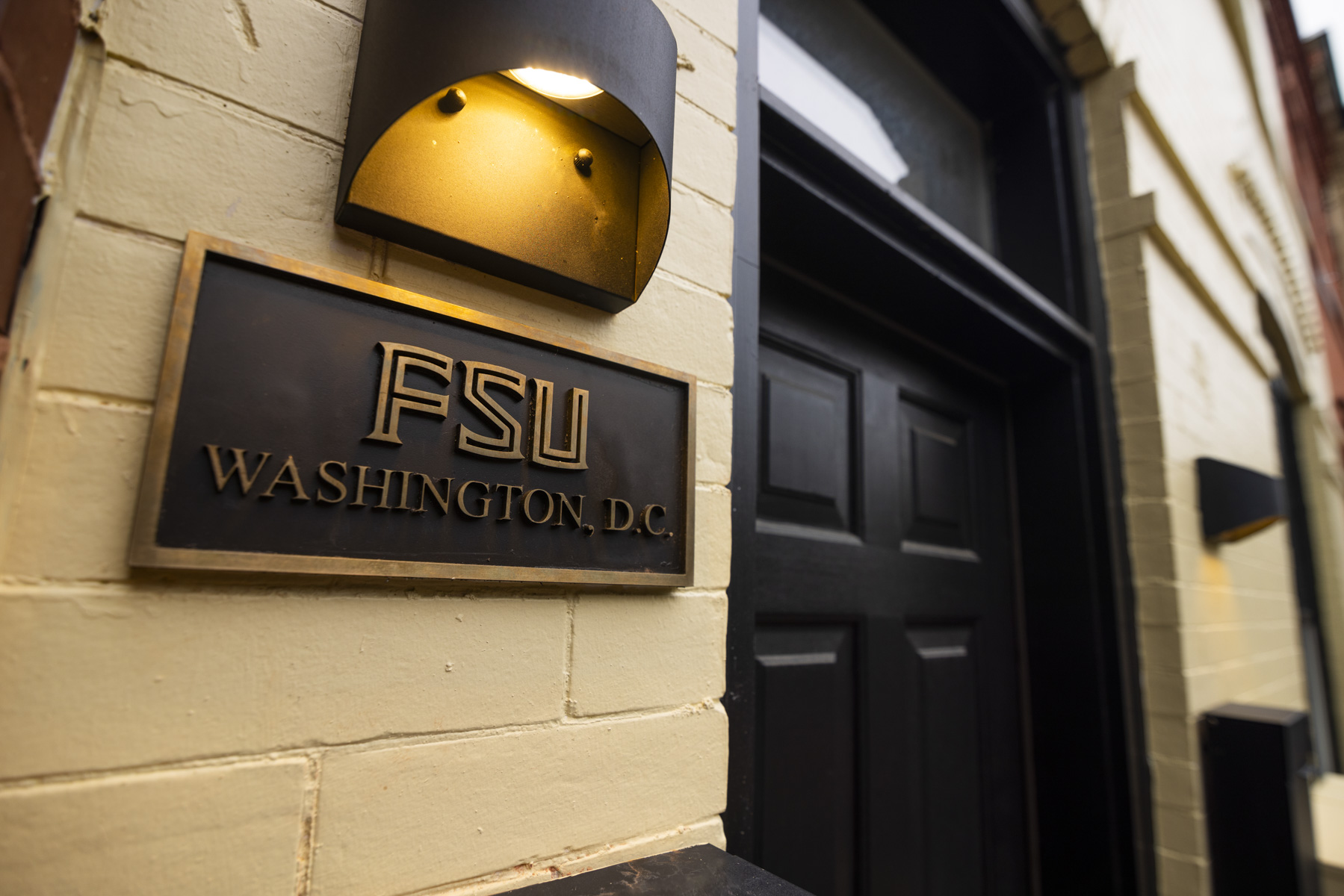
To prepare students to take up the mantle of previous generations and make a lasting change in society, the university offers immersive, hands-on opportunities, such as the FSU DC Study Away Program. This program connects students with internships and alumni networks in Washington while providing university-managed housing near the U.S. Capitol.
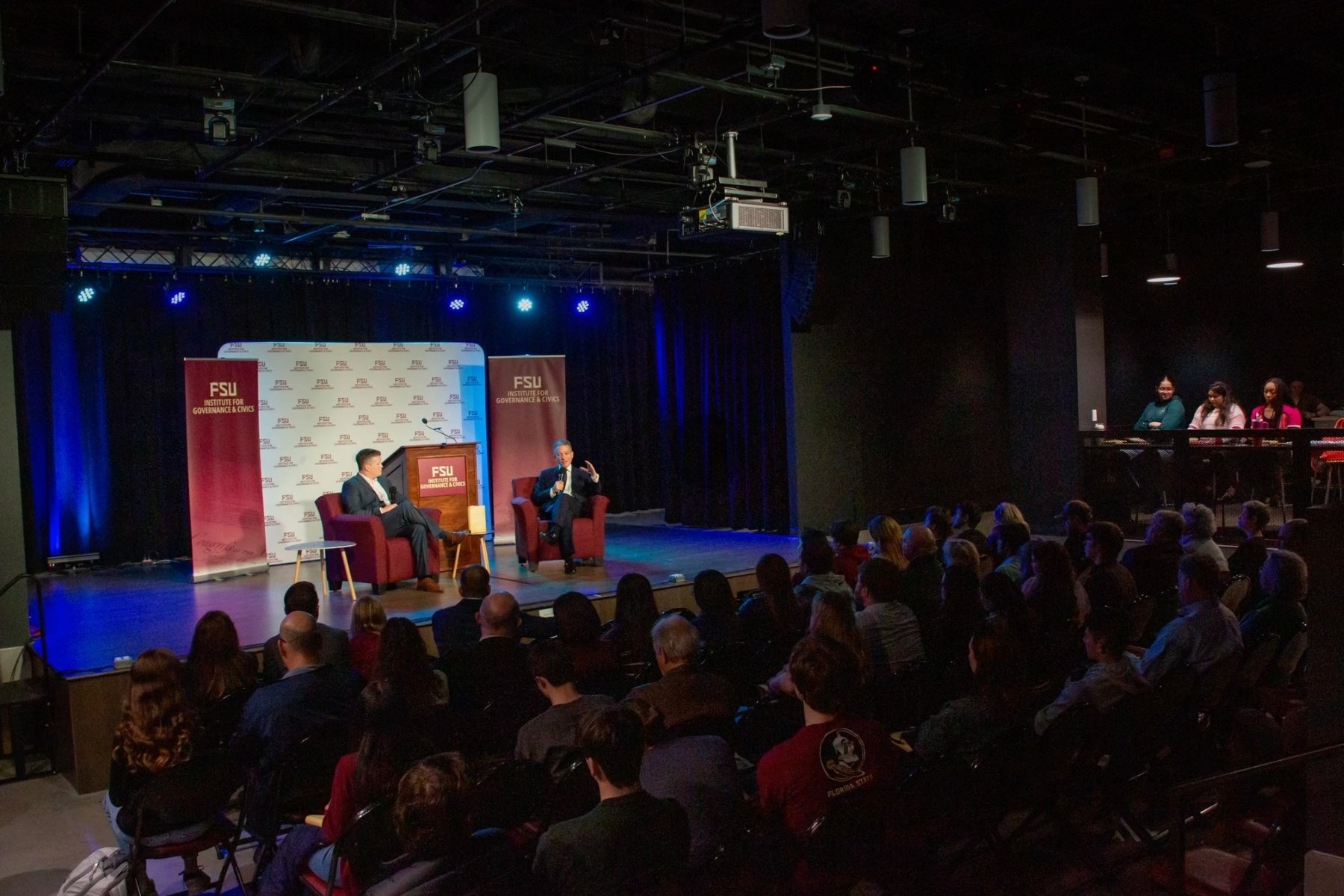
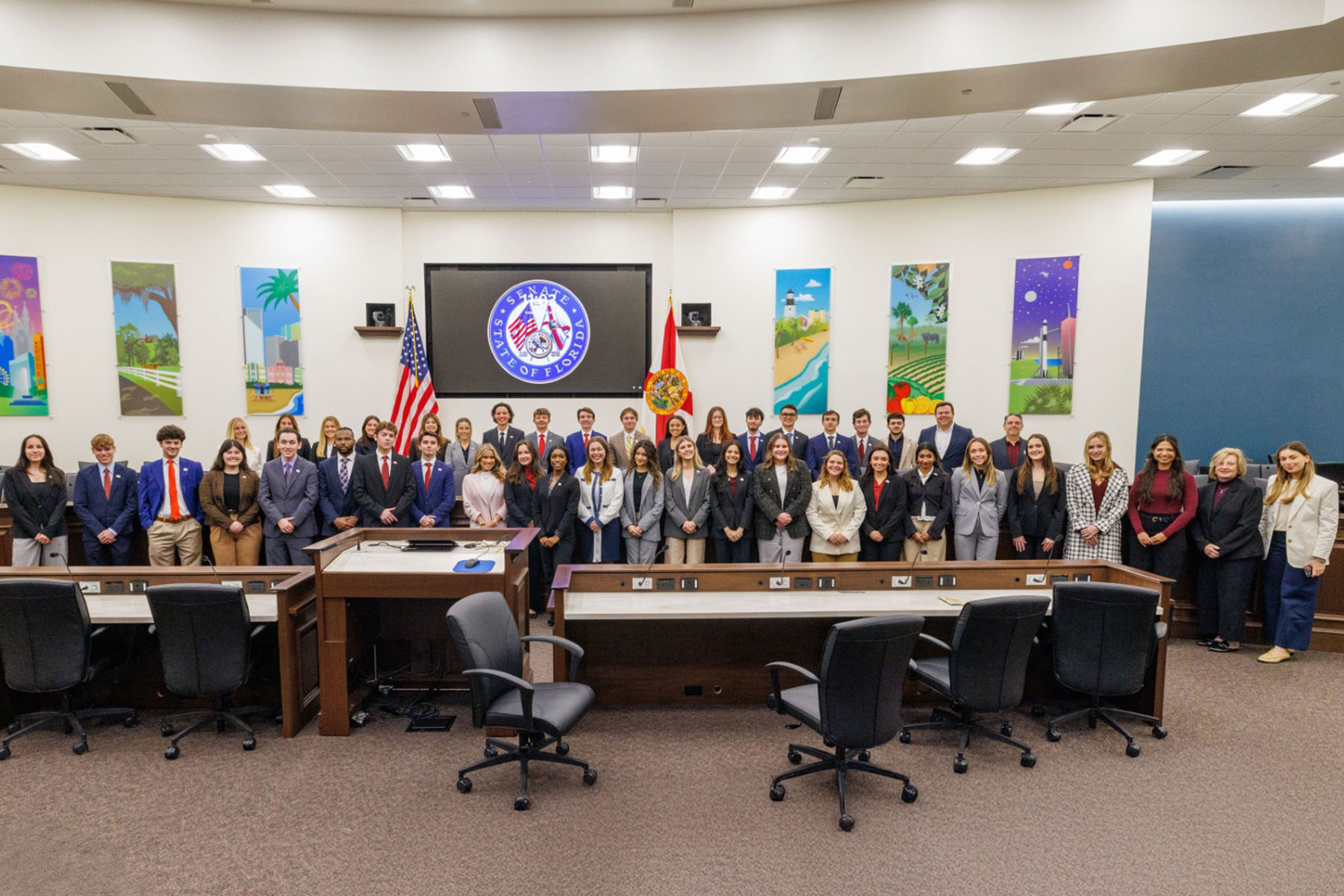
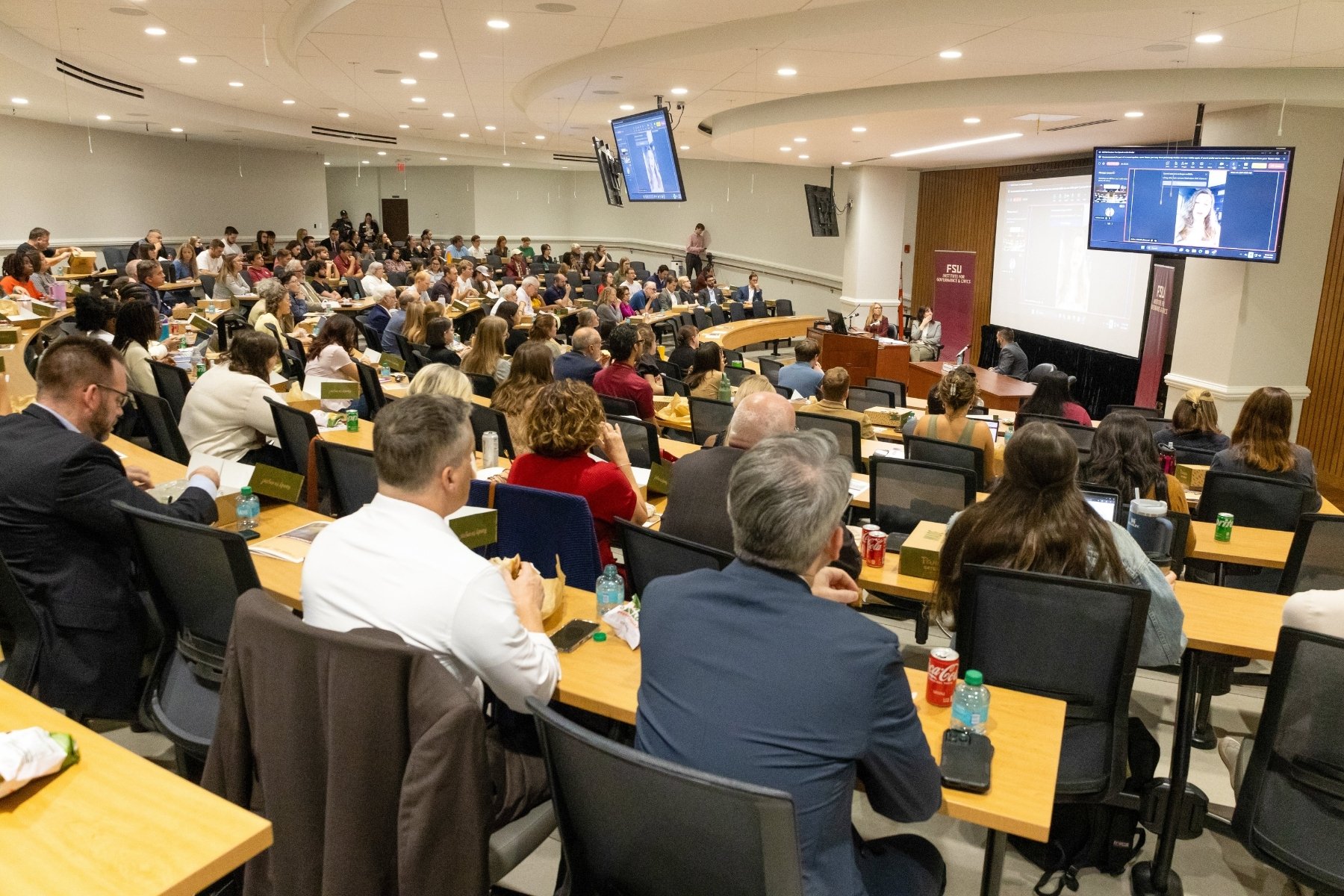
Closer to home, FSU’s location near the Florida Capitol also supports the Legislative Internship Program that places students in the executive and legislative branches, where they assist with policy research, bill analysis and legislative tracking. Furthering this commitment to leadership and scholarship, the university established the Institute for Governance and Civics to advance civic literacy and prepare students for public service through civil discourse, policy analysis and leadership training.
The institute launched the First Amendment Clinic in partnership with the FSU College of Law, providing pro bono legal representation to individuals and organizations across the country to protect and defend free speech, religious freedom, freedom of association and assembly, and freedom of the press.
For 175 years, Florida State University has adapted to meet the needs of a changing state and nation while remaining committed to its core mission of education, discovery and service. As FSU marks its 175th anniversary alongside America 250, the university continues to build on that legacy through student success, groundbreaking research and a commitment to preparing future generations to lead.
Visit 175.fsu.edu to learn more about the university’s history and its 175th anniversary celebration.