

Education
IEA warns of rising oil security risks as Middle East conflict disrupts key shipping lanes – EnviroNews


– Advertisement –
The International Energy Agency (IEA) says it is “closely monitoring” global oil markets as escalating conflict in the Middle East threatens two of the world’s most critical energy chokepoints – the Strait of Hormuz and the Bab el‑Mandeb Strait – raising fresh concerns about supply security and market stability.
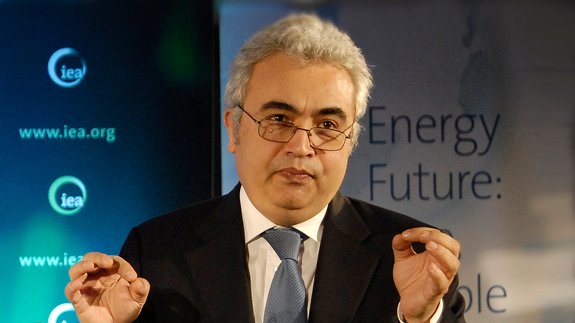
In a statement on Tuesday, July 21, 2026, IEA Executive Director, Fatih Birol, said hostilities affecting energy infrastructure and shipping routes have injected “uncertainty over the market outlook,” with risks now spreading beyond Hormuz to Bab el‑Mandeb, a vital alternative route increasingly used to bypass the Gulf’s most sensitive waters.
Supply Risks Rising – But Markets Still Cushioned
Despite the heightened geopolitical tension, Birol said crude oil markets are currently benefiting from several “cushioning factors” that have prevented sharper disruptions.
Key stabilising forces include:
- Strong supply flows from Gulf producers, particularly Saudi Arabia and the United Arab Emirates, which have rerouted significant volumes through alternative channels.
- Exports still passing through the Strait of Hormuz, though below late‑June highs.
- Increased shipments from non‑Gulf producers – notably the United States, Brazil, Venezuela and Kazakhstan – helping offset Gulf losses.
- China’s sharp reduction in crude imports, down nearly 50% from pre‑war levels, easing global demand pressure.
Birol noted that while Gulf exports have dipped from recent peaks, they remain “considerably higher” than levels recorded between early March and mid‑June.
IEA Emergency Stocks Providing Relief
The IEA’s coordinated emergency stock release continues to play a major role in stabilising markets.
Since the March 11 announcement of a collective action to make 400 million barrels available, member countries have already released around 290 million barrels, with more still flowing.
IEA members retain over 1 billion barrels of government‑controlled emergency reserves, giving the agency significant remaining capacity to respond if conditions worsen.
Refined Products Markets Tighten
Birol cautioned that refined oil products – including diesel and gasoline – are facing tighter conditions than crude itself.
“Refinery activity and product supplies have not picked up as much as crude deliveries,” he said, warning that continued drawdowns in commercial inventories leave “no room for complacency.”
Natural Gas Markets Also Under Pressure

The conflict’s impact extends beyond oil. LNG flows through the Strait of Hormuz have been disrupted, though increased shipments from the United States and Canada have offset roughly 70% of the lost supply.
Still, Birol warned that further delays in resuming Gulf LNG exports could keep markets tight, affecting all major importers – including Europe, which is preparing to refill storage ahead of winter.
Full Reopening of Hormuz “Essential”
Birol stressed that resolving the conflict and restoring full access to the Strait of Hormuz is critical to preventing a deeper global energy crisis.
“The IEA continues to maintain that a resolution to the ongoing conflict that includes a full and unconditional reopening of the Strait of Hormuz will be essential to avoid a further deterioration in global energy security,” he said.
As tensions rise and supply routes remain vulnerable, the agency’s warning underscores the fragility of global energy markets – and the importance of diplomatic efforts to restore stability in one of the world’s most strategically vital regions.



