Education
Institute for Pediatric Rare Diseases at FSU, A.J. Anderson Foundation expand access to genetic screening and rare disease care


Conference brings together researchers, clinicians, industry leaders and families to discuss advances in genomic screening and gene therapy
For families affected by rare diseases, unexplained developmental delays or medical symptoms often mark the beginning of a “diagnostic odyssey,” a frustrating search for answers and treatment options.
The longer the search continues, the greater the emotional toll on families. Without a diagnosis, effective treatment may be delayed. Millions of families worldwide face this challenge each year.
The Florida Institute for Pediatric Rare Disease (Florida IPRD) at the Florida State University College of Medicine is working to shorten that journey.
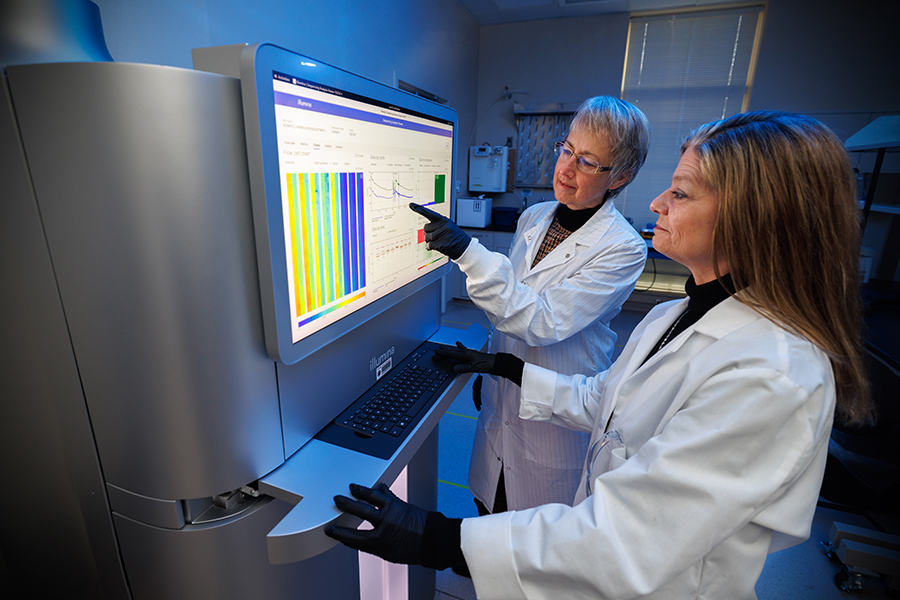
Through a newborn whole-genome sequencing pilot program, family counseling, care management, rare disease research initiatives and professional training, FSU faculty and scientists are helping families better care for their loved ones with a rare disease.
With support from the state legislature, Florida IPRD is helping to expand access to genomic medicine and accelerate research into rare diseases to transform lives. The institute is partnering with the A.J. Anderson Foundation on its shared mission to improve pediatric rare disease healthcare.
Transforming personal tragedy into a movement to help Florida families
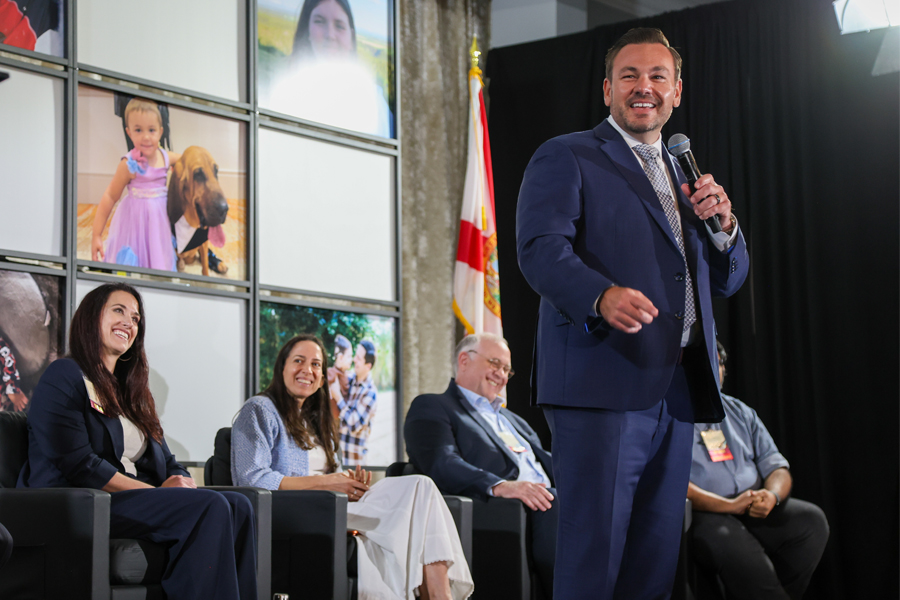
Rep. Adam Anderson (R-Palm Harbor) and his wife, Brianne, started the A.J. Anderson Foundation in 2018 after their son Andrew was diagnosed with Tay-Sachs disease, a rare genetic disorder that destroys nerve cells in the brain and spinal cord. Their own diagnostic odyssey followed as they sought care for their son. The experience prompted them to look for a way to support other families seeking rare disease treatment.
The foundation’s goals are to advocate for improved research and treatment to put an end to pediatric rare diseases and to increase access to genetic testing.
“The partnership between the A.J. Anderson Foundation and the Florida Institute for Pediatric Rare Diseases demonstrates what can be accomplished when advocacy, science, medicine, industry and public policy come together to accelerate diagnosis, expand treatment opportunities, and improve outcomes for children with rare diseases,” said Pradeep Bhide, director of Florida IPRD. “Representative Anderson and Brianne Anderson have been extraordinary champions for children with rare diseases, and their leadership has helped create programs such as ours that are positioning Florida as a national leader in genomic medicine and early diagnosis.”
Rare Disease Conference: Bringing together research and industry leaders
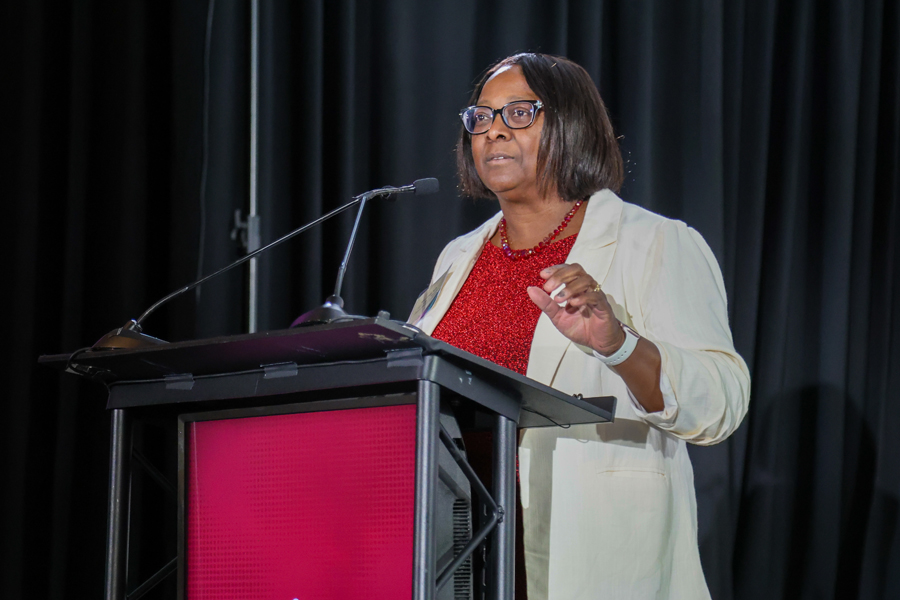
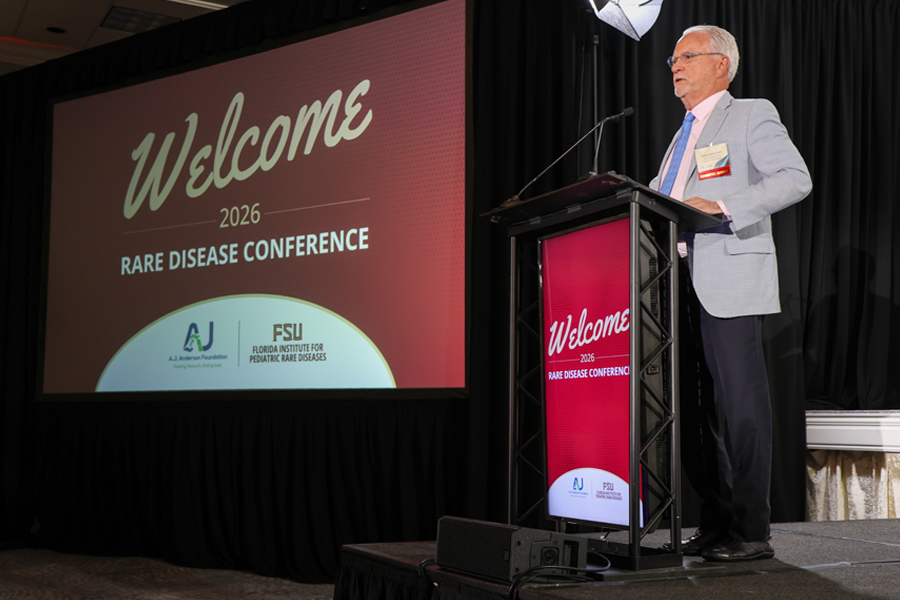
On Wednesday, the A.J. Anderson Foundation and Florida IPRD cohosted a rare disease conference in Pinellas County, bringing together researchers, healthcare professionals, industry partners and families to learn about ongoing work and provide a look into the future of treatment.
Dr. David Bick, the principal clinician for the Newborn Genomes Programme at Genomics England, delivered the keynote address. Attendees also heard from two panels, one focused on genomic newborn screening and the other focused on advances in gene therapy. Panelists from GeneDx, Nest Genomics, Alexion Pharmaceuticals and Amazon Web Services shared their insight in the first session. Panelists from UMass Chan Medical School, Florida IPRD and the University of Florida spoke during the second session.
Together, the panels represented two major, complementary goals: Diagnosing children with rare disease at birth and offering them an opportunity for early intervention and rapid treatment.
“The promise that these gene and cell therapies offer is that if you can detect a condition at birth, before symptoms occur, you can prevent those symptoms from ever showing themselves, and that child can live a perfectly healthy life,” Anderson said.
The Sunshine Genetics Program
Genomics medicine in Florida received a major boost last year with the passage of the Sunshine Genetics Act. With the support of the state legislature and Gov. Ron DeSantis, the act established the Florida Institute for Pediatric Rare Diseases and provided additional funding for research and a genetic screening pilot program.
For the Floridians who now have the opportunity to screen their children for a rare disease and for the millions more people who can be helped through research breakthroughs, the work is urgent and crucial.
“Rare diseases test our healthcare systems, our scientific capabilities and our collective compassion. At the same time, they inspire determination, collaboration and hope,” said Dr. Alma Littles, dean of the FSU College of Medicine. “At Florida State University, we are proud to support the Florida Institute for Pediatric Rare Diseases and the Sunshine Genetics initiative as part of our broader commitment to expanding precision medicine, expanding access to care, and bringing together clinicians, scientists, educators, policymakers, industry leaders and patient advocates around a shared mission.”

Visit the Florida IPRD website for more information about the institute. Visit the A.J. Anderson Foundation website to learn more about the organization’s mission.