

Foreign News
Iran Plans Massive Funeral for Khamenei


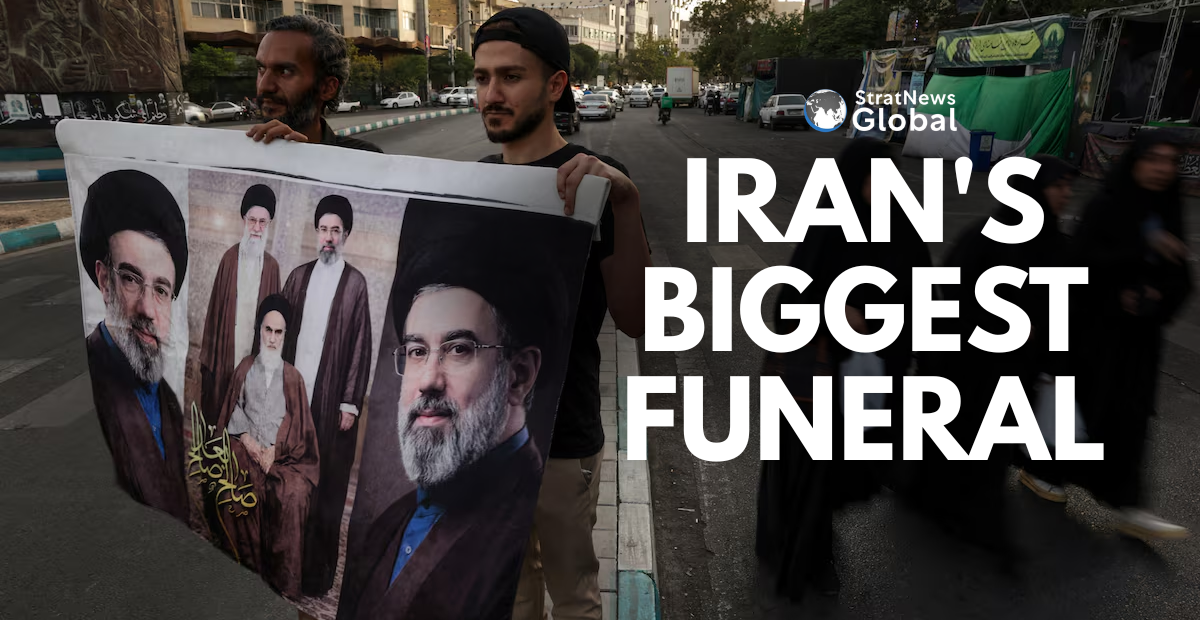
Iran is preparing days of nationwide funeral ceremonies for Supreme Leader Ayatollah Ali Khamenei, with authorities hoping millions will take part in what officials describe as a powerful demonstration of support for the Islamic Republic following his death in US and Israeli strikes.
The funeral events will begin this weekend in Tehran before moving to the holy cities of Qom and Mashhad. Memorial ceremonies are also planned in Iraq’s Shi’ite shrine cities of Najaf and Karbala.
Funeral Meant to Display Public Support
Senior Iranian officials have portrayed the funeral as more than a religious ceremony, describing it as a national display of loyalty to the Islamic Republic.
Qom Friday prayer leader Ayatollah Mohammad Saidi said the turnout would amount to “another referendum” on public support for the regime.
Authorities are reportedly arranging transport, accommodation and food to encourage millions of mourners to attend ceremonies across the country.
Leadership Transition Underway
Khamenei was killed in the opening phase of the war following US and Israeli strikes.
His son, Mojtaba Khamenei, has succeeded him as Iran’s new Supreme Leader. However, Iranian state media have not released any new images of Mojtaba since the conflict began after reports that he was seriously wounded in the same strike that killed his father.
Public Mood Remains Divided
Despite official calls for mass participation, analysts say public support for the Islamic Republic has weakened after years of economic hardship, sanctions and political repression.
Many Iranians have expressed frustration over rising inflation, unemployment and restrictions on political freedoms.
Some residents of Tehran have said they do not intend to attend the funeral events, while others have reportedly left the capital ahead of the ceremonies.
Nationwide Funeral Processions Planned
The funeral programme will begin in Tehran before Khamenei’s remains are taken to Qom for religious ceremonies and later to Mashhad, where he is expected to be buried near the shrine of Imam Reza.
Officials from several countries, including Russia and China, are expected to attend memorial events.
Security has been significantly tightened across Iran, with temporary airspace restrictions and heightened security measures in place as authorities seek to prevent any disruption during the funeral processions.
The ceremonies are expected to mark one of the largest public events in Iran since the funeral of Ayatollah Ruhollah Khomeini in 1989, as the country’s new leadership attempts to project unity during a period of heightened regional tensions.

(with inputs from Reuters)



