

Foreign News
Khamenei’s Funeral As A Measure Of Iran’s Strength?


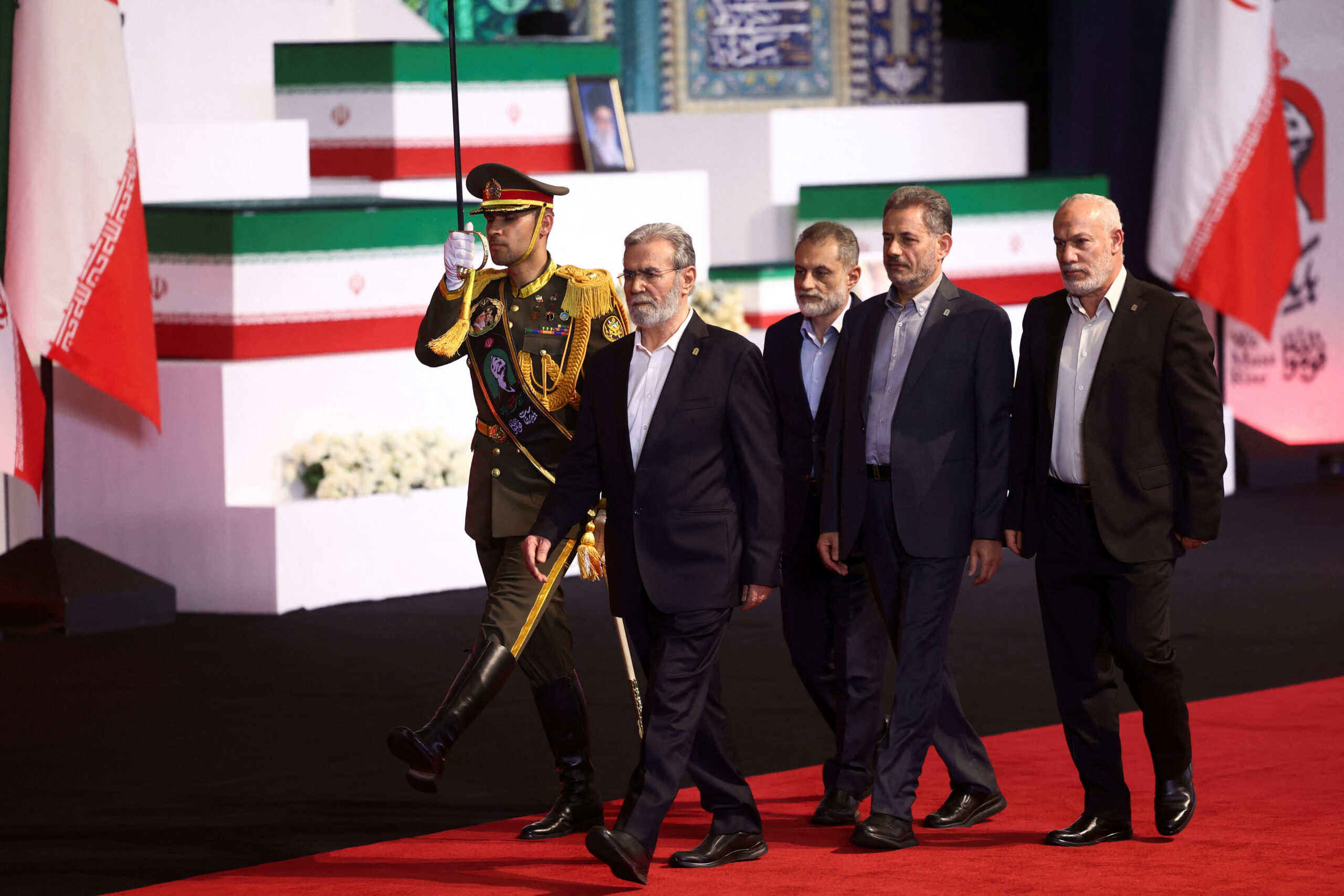
The scenes are already playing out in the streets of Iran’s capital Tehran, where, at the Khomenei Mosalla, Supreme Leader Ayotollah Ali Khamenei’s mortal remains lie in state.
There will be grief on display, sorrow and as the day wanes, rage at the manner in which he and members of his family were assassinated in a US strike four months ago.
Prayers began early on Saturday and will last six days with Khamenei’s mortal remains being taken to Najaf and Karbala in Iraq for Shias to pay their respects.
Why Dates Matter
Could Khamenei’s funeral have been planned for Ashura, June 26th, the 10th day of mourning during Muharram? Possibly, but perhaps time was too short there was uncertainty whether the ceasefire would last and it would also appear that the regime was in no mood for a funeral minus all the bells and whistles.
“It was their Supreme Leader and members of his family whom the Americans had killed,” former diplomat Mahesh Sachdev told StratNewsGlobal. “Not to forget so many others including senior political figures and members of the Revolutionary Guard. There was a need to ensure the world was reminded of America’s perfidy.”
Which brings us to July 4th, America’s Independence Day. On the day Americans celebrate, Shia Muslims all over the world will mark the assassination of Iran’s head of state, and amid the outpouring of emotion expect sermons against the Great Satan triggering anger, rage, possibly more.
Gauging Iran’s Support
“Despite the ceasefire, which is tenuous, the US Iran quest for regional preponderance in the Gulf is far from over,” warned Sachdev whose long experience of the Arab world included stints as joint secretary WANA (West Asia-North Africa) and Director Gulf.
Iran will use the funeral with an eye on galvanising its proxies, whether Hezbollah in Lebanon or the Houthis in Yemen, he said.
Khamenei’s funeral will also help the regime gauge its support internationally. How many regional leaders turn up? How many heads of state? What of the Gulf Arabs whom the regime targeted during the war?
The Iranian media has alleged a quiet but strident campaign by the US to persuade many countries not to participate in the funeral. Apparently some African countries have told Iran about the US warning them it would be viewed as an unfriendly act
But US-ally Saudi Arabia has sent vice-foreign minister Walid al-Khuraiji even though their Wahabi tradition is against elaborate funeral ceremonies. Incidentally, the Saudis declined to take part in the cremation ceremony of former Indian prime minister Rajiv Gandhi in 1991 for this reason.
India has sent Pabitra Margherita, MoS External Affairs and Bihar Governor Lt Gen Syed Ata Hasnain. Also former foreign minister Salman Khurshid.
Pakistan is represented by Prime Minister Shehbaz Sharif and Bangladesh by parliament speaker Hafizuddin Ahmad. Afghanistan has sent foreign minister Amir Khan Muttaqi.
If the turnout of foreign leaders is “respectable”, it signals the world that Iran does not stand alone. Reports suggest representatives of as many as 100 countries will be present for the funeral but none from western Europe nor the GCC.

China sent He Wei, vice-chairman of the National People’s Congress, while Russia has sent former president Dmitry Medvedev.
Domestically, there should be no doubt the regime will use every trick in the book to galvanise support in its favour. The authorities have ordered shut all public and private offices in Tehran and personal vehicles have been barred from the roads.
Mojtaba’s Time Has Come
While Saturday, Sunday and Monday will be reserved for Tehran, on Tuesday the events move to Qom south of the capital where prayers will be held. Najaf and Karbala in Iraq, traditional Shia strongholds, come next with Khamenei’s mortal remains being flown there for the public to pay their respects.
On Thursday the Supreme Leader will be laid to rest at the Imam Reza Shrine in Mashad, the place of his birth.
What about Mojtaba, his son? Reports say he will not be present at the funeral. Perhaps the regime wants to avoid a repetition of what happened to his father. They may prefer being cautious and keep him away form the public eye for now.
But all eyes will be on him. As the Supreme Leader, much will be expected from him not only in terms of leadership, but in what direction could he take the country. Will he be his own man or succumb to the dictates of forces in the background? Mojtaba’s time has come and the world is watching.



