

Education
Green Climate Fund Board to consider new climate projects ahead of COP31 – EnviroNews


– Advertisement –
The Green Climate Fund (GCF) will consider new climate financing proposals, policies for its next fundraising cycle and measures to strengthen the monitoring of climate investments at its 46th Board meeting, scheduled to hold in South Korea from October 26 to 29, 2026.
The meeting comes less than two weeks before the 31st United Nations Climate Change Conference (COP31), scheduled for November 9 to 20 in Antalya, Türkiye, placing the Fund’s financing decisions and operational priorities in focus ahead of the global climate negotiations.
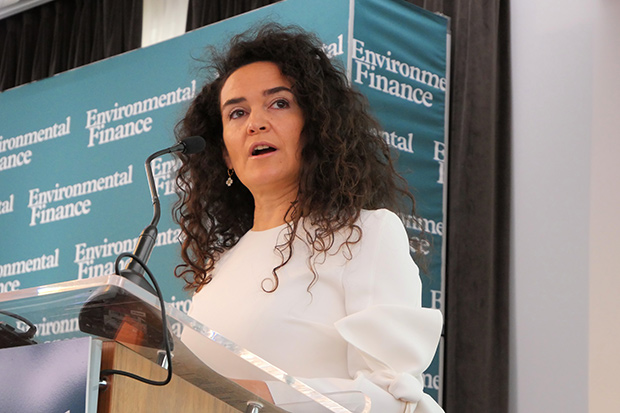
According to a statement by the GCF, the four-day meeting at its headquarters in Songdo, Incheon, will consider projects covering both climate change adaptation and mitigation across the regions where the Fund operates.
The Board will also consider accreditation proposals for new implementing partners, policies relating to its third replenishment fundraising cycle, a harmonised framework for measuring and reporting results, and emerging findings from the Independent Evaluation Unit’s Third Performance Review of the Fund.
The meeting will bring together National Designated Authorities, Accredited Entities, civil society and private-sector observers, and other partners involved in delivering climate finance to developing countries.
The proceedings will be livestreamed on the Fund’s website.
Established in 2010 under the United Nations Framework Convention on Climate Change (UNFCCC), the GCF is the world’s largest dedicated climate fund. It supports developing countries in pursuing low-emission and climate-resilient development through investments in projects and programmes that reduce greenhouse gas emissions and help communities adapt to climate impacts.
Its activities span areas including renewable energy, energy efficiency, sustainable land use, resilient infrastructure, water security and climate-resilient agriculture.
The Fund operates through a network of accredited entities, which develop and implement projects, while National Designated Authorities provide country-level coordination and help ensure that proposed investments align with national climate priorities.
The GCF’s decisions are particularly significant for developing countries, which face mounting costs from extreme weather, rising temperatures, droughts, flooding and other climate-related hazards, often with limited domestic resources to respond.
Funding and replenishment in focus
A major item at the meeting will be policies relating to the Fund’s third replenishment, which will determine its resource mobilisation priorities for the next funding cycle.
The process is expected to be important in shaping the GCF’s capacity to support climate action beyond its current programming period, as developing countries continue to call for increased and more accessible international climate finance.

The Fund’s third replenishment will cover the 2028–2031 period, following its current 2024–2027 programming cycle.
The outcome of the replenishment process will help determine the resources available for new investments in emissions reduction and climate adaptation, particularly in countries with limited capacity to mobilise finance for large-scale climate programmes.
The GCF reported that it approved 50 projects worth $3.3 billion in 2025, its largest annual programming volume since its establishment. The projects were expected to mobilise additional co-financing, underscoring the Fund’s role in leveraging public resources to support wider climate investments.
By the end of 2025, cumulative approved projects had reached $17.2 billion in GCF funding, alongside approximately $14 billion in co-financing.
However, the scale of climate finance needed by developing countries remains substantial, making the Fund’s replenishment and the efficiency with which its resources are deployed important issues ahead of COP31.
New framework to strengthen accountability
The Board will also consider a harmonised results management framework designed to improve how the GCF measures and reports the outcomes of its investments.
The framework is expected to strengthen consistency in assessing project performance and reporting climate results across the Fund’s portfolio.
Effective monitoring is important in determining whether funded projects deliver their intended benefits, including emissions reductions, improved climate resilience and support for vulnerable communities.
The discussions will also draw on emerging findings from the Independent Evaluation Unit’s Third Performance Review of the GCF.
Launched in 2025, the review assesses the Fund’s performance during its 2024–2027 programming period. It examines organisational effectiveness, partnerships, programming and results, as well as the GCF’s role in the wider multilateral climate finance system.
The review is also intended to inform the Fund’s future strategy and third replenishment.
The emerging findings will provide an opportunity for the Board to consider lessons from the Fund’s operations and identify areas requiring improvement. The final report is expected to be submitted to the Board in 2027.
Climate finance ahead of COP31
The Board meeting comes at a critical point in preparations for COP31, where governments are expected to deliberate on the implementation of global climate commitments, including financing for mitigation and adaptation.
COP31 will take place in Antalya from November 9 to 20, bringing together governments, negotiators, international institutions, businesses and civil society organisations to advance global climate action.
Climate finance remains a central issue in international negotiations, particularly for developing countries seeking resources to implement their national climate plans, strengthen resilience and transition towards lower-emission economies.
For many vulnerable countries, access to predictable, affordable and adequate financing is essential to addressing climate impacts while pursuing sustainable development.
The GCF’s decisions on project approvals, accreditation, replenishment policies and performance measurement could therefore help shape its contribution to these priorities in the coming years.
The meeting will also provide an opportunity for stakeholders to assess how effectively the Fund is translating financial commitments into practical interventions and measurable benefits for countries and communities facing the impacts of climate change.
As COP31 approaches, attention will remain on whether international climate finance institutions can mobilise sufficient resources, improve access to funding and accelerate the delivery of projects that support both emissions reduction and climate resilience.



