

Education
Rare Emmett Till trial records donated to FSU Libraries


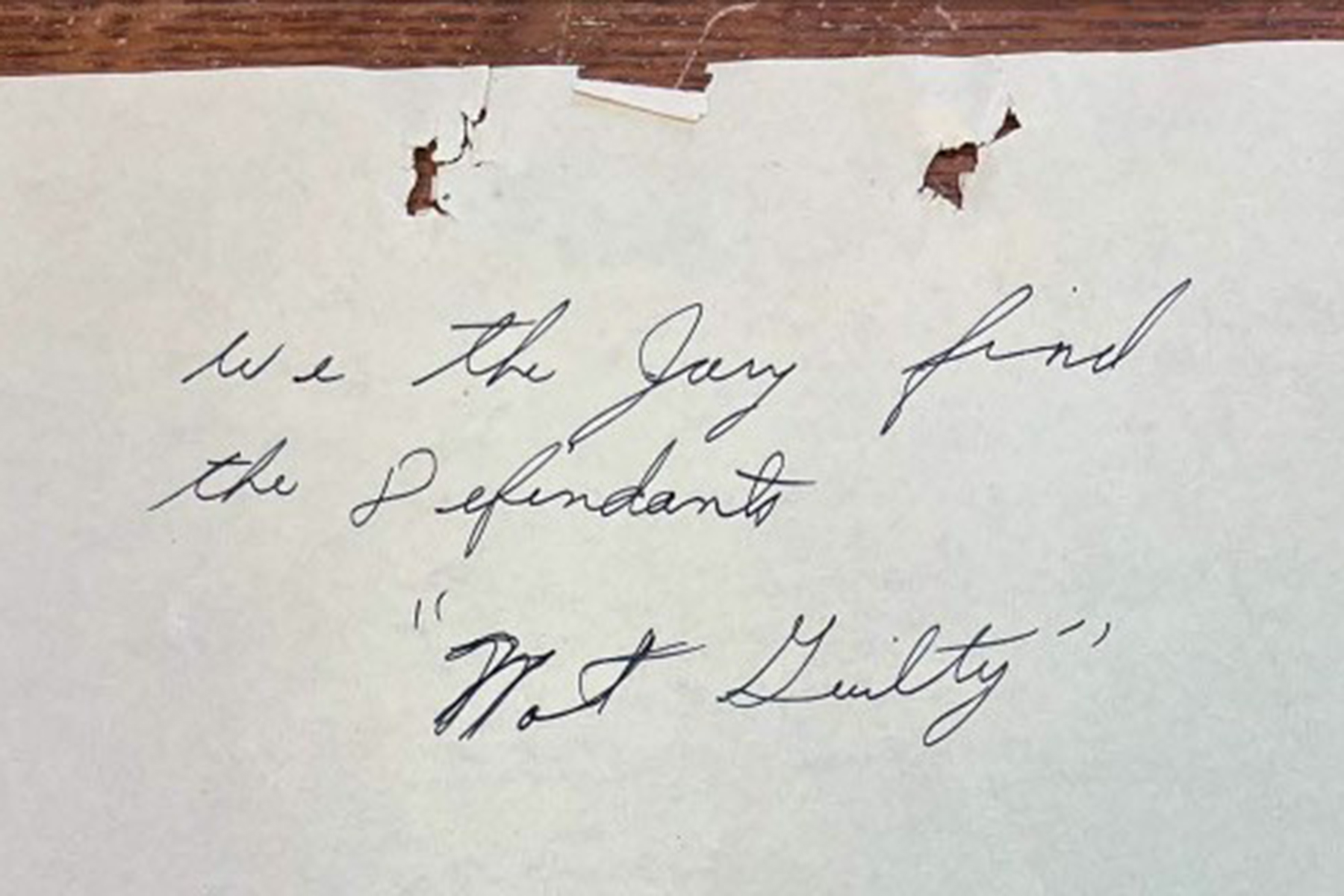
Florida State University Libraries Special Collections & Archives has acquired a collection of rare legal documents donated by independent Emmett Till researchers Kevin Murphy and Colleen FitzPatrick. The collection expands public access to historical records tied to one of the most significant civil rights cases in American history.
The acquisition consists of copies of records from the Tallahatchie County Courthouse in Sumner, Mississippi, where J.W. Milam and Roy Bryant were tried for the kidnapping and murder of 14-year-old Emmett Till. Till’s murder and the subsequent trial became pivotal events in the Civil Rights Movement. The collection strengthens FSU’s extensive holdings in regional and Southern history.
“Preserving primary sources from pivotal moments in our nation’s history is at the very core of our mission. By making these rare courthouse records accessible digitally, FSU Libraries provides scholars and the public with resources to examine the legal landscape of the civil rights era and ensure these histories are never forgotten.”
— Katie McCormick, associate dean for Special Collections & Archives
Among the donated records are Circuit Court case files for each charge against Milam and Bryant, including records related to witnesses called to trial. The documents provide new resources for scholars studying the 1955 murder case.
“Preserving primary sources from pivotal moments in our nation’s history is at the very core of our mission,” said Katie McCormick, associate dean for Special Collections & Archives. “By making these rare courthouse records accessible digitally, FSU Libraries provides scholars and the public with resources to examine the legal landscape of the civil rights era and ensure these histories are never forgotten.”
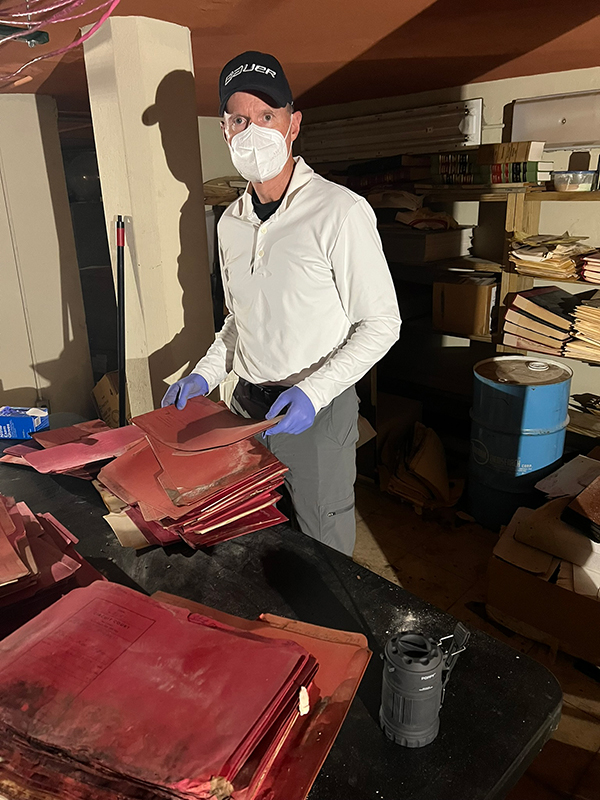
Recovering the records from the Mississippi courthouse required extensive preparation, including the use of K95 masks, protective gloves and portable lighting.
In the courthouse basement, researchers found the Emmett Till documents in varying states of preservation. Some remained in relatively good condition within leather-bound volumes, while others showed significant deterioration from decades of exposure to moisture, mold and rodents.
“We experienced emotions that ran the gamut from exhilaration in finding them to such deep sadness that the records, in the state that we found them, served as a metaphor for the burying of truth and justice in one of the worst moments in American history,” Murphy said. “The entire experience was profoundly moving; to rub our fingers over the actual signatures of Mose Wright, Willie Reed, Mandy Bradley, et al in the State Witness Fee Book, brought us right back to those days of 1955.”
FitzPatrick and Murphy credited Tallahatchie County Circuit Court Clerk Daphane Neal and her assistant, Angie Clark, with helping facilitate their work in the Sumner Courthouse archives. The research team spent four days examining and digitizing records during visits in June and August 2025.
“Finding these records was both a technical challenge and a profound historical responsibility,” FitzPatrick said. “By digitizing this collection, we are preserving the tangible proof of a pivotal moment in the Civil Rights Movement, making sure these voices are never silenced by time.”
FSU College of Communication and Information Professor Davis Houck, the Fannie Lou Hamer Professor of Rhetorical Studies whose research helped establish FSU’s Emmett Till Archives, said the records “add to our understanding of decision making in how the case was both prosecuted and defended. From the voir dire process to prospective witnesses, their discovery of these extremely rare documents helps round out our understanding of this grave miscarriage of justice.”
The digitized collection is available to the public through the FSU Libraries digital repository. Visit the Emmett Till Trial Collection webpage to view the latest findings of this historic case.
For more information, visit the FSU Special Collections and Archives website or contact the department staff via email at lib-specialcollections@fsu.edu or by phone at 850-644-3271.




